The Genesis of a Community-Led Initiative
The conceptual framework for VOZ SOS CAAPAZ was born out of a critical re-evaluation of therapeutic efficacy. For years, practitioners have relied on clinical interventions that often prioritize spoken language as the primary outcome. Ordóñez’s departure from this traditional approach began with a series of fundamental inquiries regarding the autonomy and inclusion of AAC users: Is traditional therapy inherently respectful of those who do not utilize speech as their primary modality? Are weekly individual sessions sufficient to foster robust communicative competence? And, crucially, what models of connection are being provided for AAC users to interact with peers who utilize similar systems?
These questions were galvanized by three distinct professional milestones. The first was Ordóñez’s involvement in the "CAAmigos Angelman" program, a neuroaffirmative, evidence-based initiative that introduced her to the power of naturalistic, comprehensive literacy models in a collective, international setting. The second was the 2025 publication by Gran Blasko in the journal AAC, which provided a foundational manifesto for the movement: "Nothing About AAC Users Without AAC Users." This call for the meaningful inclusion of disabled individuals in the design and implementation of their own support services became the ethical bedrock of the VOZ SOS CAAPAZ project. The third pillar was the formal adoption of "Relationship-Based Learning," which posits that communication is not merely a technical skill but a social phenomenon predicated on connection, horizontal power dynamics, and shared experiences.
Chronology of Implementation
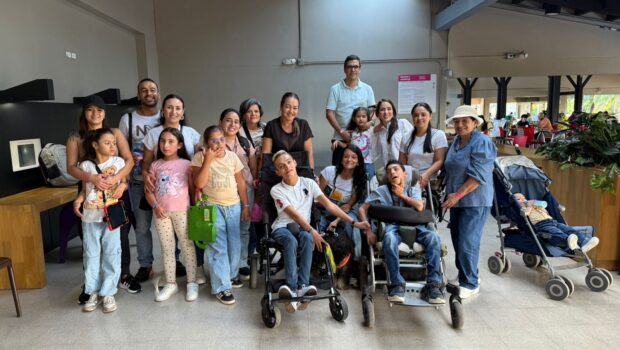
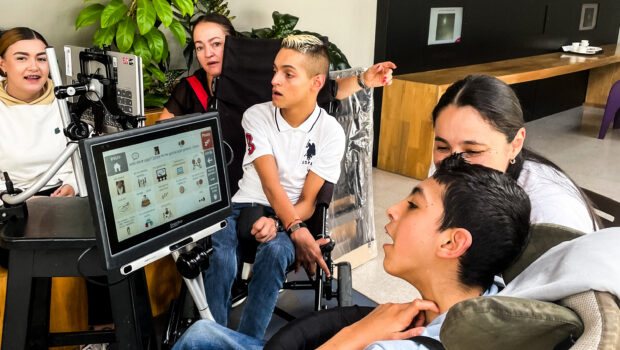
The formal launch of the project occurred in October 2025, coinciding with AAC Awareness Month. The inaugural gathering took place at the Comfama Rionegro park in Antioquia, a location chosen to facilitate interaction in a naturalistic, public setting. The event successfully convened six AAC users—representing a diverse spectrum of technology, including Td Snap, Proloquo2go, and Grid systems integrated with eye-tracking hardware—alongside ten family members and professional support staff.
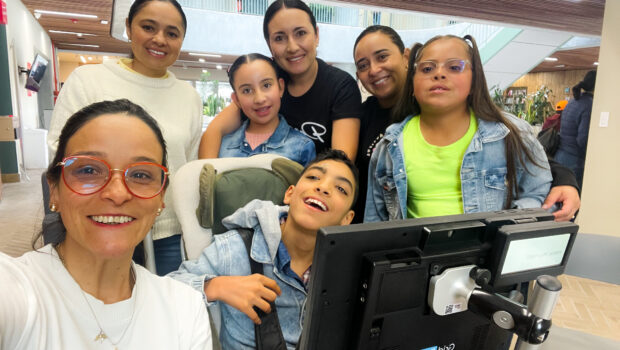
Following the success of the initial outdoor gathering, the project shifted toward structured, content-based interactions. In February 2026, the team organized a shared reading session at a public library in Rionegro. This event focused on Comprehensive Literacy, a pedagogical approach as defined by educator Erin Sheldon, which emphasizes print knowledge through meaningful engagement with texts and literate peers. The event saw the participation of three AAC users at the "emergent" level of literacy development, further reinforcing the project’s commitment to providing access to educational opportunities that are frequently denied to non-speaking populations.
Supporting Data and Technical Context
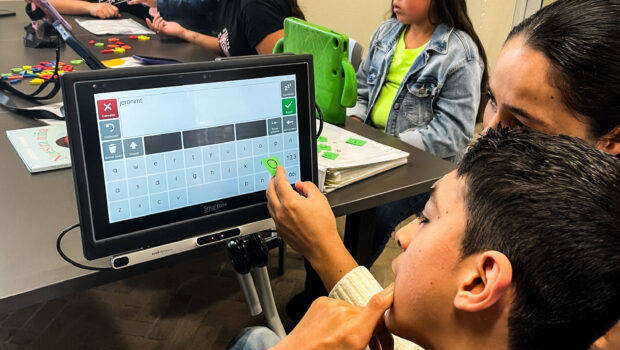
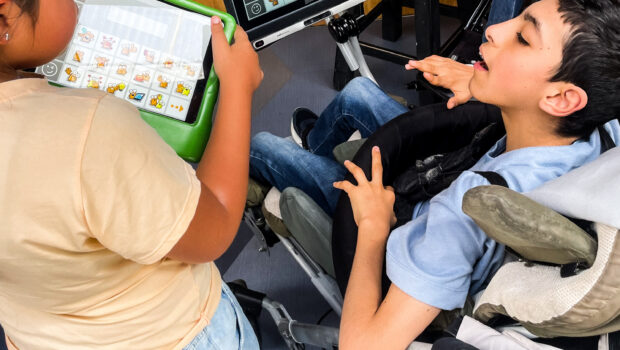
The technological landscape of the VOZ SOS CAAPAZ project reflects the current state of assistive technology in Latin America. Participating users utilize a variety of platforms:
- Direct Selection Interfaces: Td Snap, Proloquo2go, and Grid for iPad.
- Access Modifications: Eye-tracking technology integrated with Grid 3 for users with severe motor challenges.
The data gathered from these initial meetings suggests that the primary barrier to communication is not the technology itself, but the lack of communicative environments. Feedback from participants, such as Pablo Andrés Calderón Gómez, underscores the existential importance of these spaces. "I really liked the gathering with Angela because I met other friends," Calderón stated. "We need more people with this Right to Communication." This sentiment highlights a critical gap in current service delivery: the need for social integration that extends beyond the therapist-patient dyad.
Institutional and Professional Implications
The implications of the VOZ SOS CAAPAZ model for the field of speech-language pathology are profound. By moving away from an "ableist framework"—which Ordóñez acknowledges previously validated speech as the only successful outcome—the project advocates for a "presumption of competence." This neuroaffirmative approach assumes that every individual possesses the internal capability to communicate and learn, regardless of their current motor or verbal output.
The project also challenges the traditional role of the speech-language pathologist. In the VOZ SOS CAAPAZ model, the professional is not merely a provider of exercises, but a facilitator of environments where families and users can learn together. This shift requires both the therapist and the family to function as "learners of the system," adapting to the unique communicative style of each user. By providing these public, inclusive spaces, the project acts as an advocacy tool, educating the general public on the reality of AAC users and normalizing the use of assistive technology in community settings.
Broader Impact and Future Directions
The success of these initial gatherings in Rionegro demonstrates that there is a significant, unmet demand for peer-to-peer connection among AAC users in the Spanish-speaking world. The project’s commitment to monthly, Saturday-morning meetings is designed to build a consistent rhythm of literacy and social interaction. However, the long-term vision extends beyond local gatherings.
The movement is part of a growing global discourse that questions the "ceilings" placed on individuals with complex communication needs. By advocating for comprehensive literacy, VOZ SOS CAAPAZ ensures that participants are not just "using a device" but are being invited to participate in the broader culture of reading, writing, and intellectual discourse. The project serves as a practical, scalable model for other regions, proving that when the focus is shifted from "fixing" a disability to fostering a relationship, the results are both transformative and humanizing.
As the project continues to expand, its focus remains firmly on three core values: autonomy, the presumption of competence, and the right to literacy. For families and service providers, VOZ SOS CAAPAZ stands as a reminder that the path to effective communication is rarely linear and almost always communal. By dismantling the barriers between clinical settings and public life, the initiative ensures that the "voice" of the AAC user is not only heard but is respected as an equal contribution to the community.
The success of the project also highlights a crucial need for policy shifts in how therapeutic services are funded and structured. Currently, most healthcare systems prioritize individual, short-term sessions. The VOZ SOS CAAPAZ project provides a case study for the efficacy of long-term, group-based, and socially integrated support, suggesting that a move toward community-based models could result in significantly better outcomes for the AAC population. As the project looks toward future months, the focus remains on inclusivity, ensuring that as more individuals join the program, the environment remains adaptive to the specific sensory, motor, and cognitive needs of each user, thereby upholding the dignity and rights of all participants.