A New Vision for Hearing Assistance: The Dawn of Legato Frames
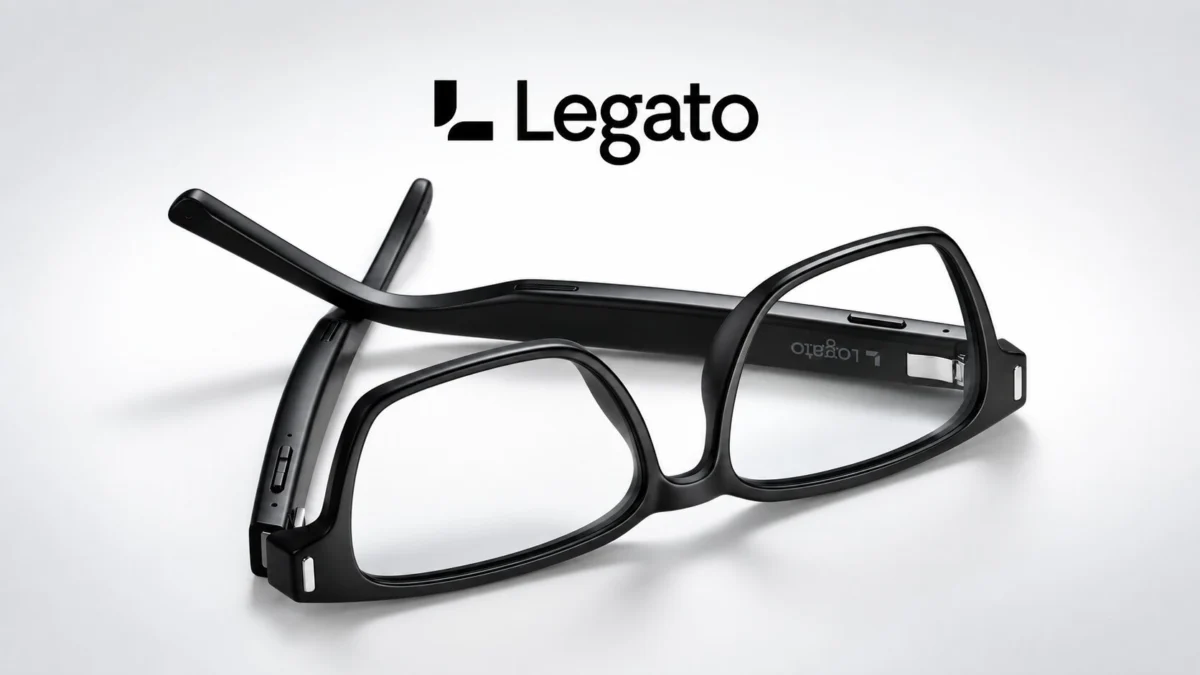
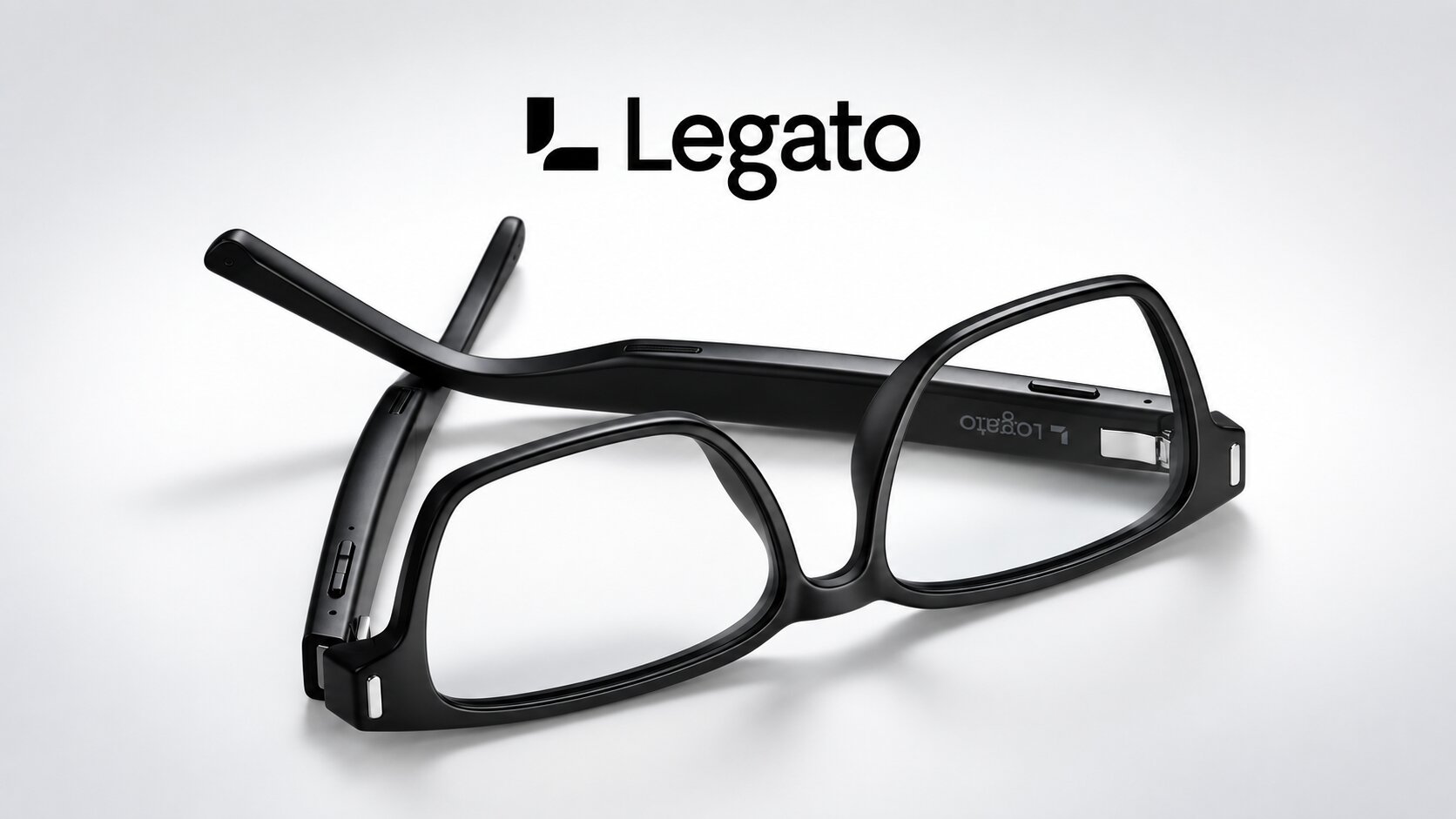
On August 26, the company not only revealed its substantial funding but also offered the first public glimpse of its flagship product: Legato Frames. Described by the company as AI-powered hearing glasses, these innovative devices integrate patented hearing-assistance technology directly into the arms of everyday eyewear. Founded in 2024, Legato’s core philosophy revolves around offering a compelling alternative for the vast demographic of adults who could significantly benefit from hearing assistance but remain hesitant to adopt conventional hearing aids due to their appearance or perceived medical nature.
Legato’s innovative approach pivots away from the industry’s decades-long pursuit of ever-smaller, more invisible in-ear or behind-the-ear devices. Instead, the company strategically embeds sophisticated hearing technology within a familiar consumer product—eyeglasses—that many individuals already wear daily, often for reasons entirely unrelated to hearing. This fundamental shift aims to normalize hearing assistance by transforming it from a discreet medical necessity into an integrated lifestyle accessory. The company asserts that its proprietary technology is robustly protected by four granted patents, with an additional 20-plus patent applications currently pending, underscoring its commitment to intellectual property and innovation.
Overcoming Hurdles: Cost, Comfort, and Stigma in Hearing Healthcare
The global burden of hearing loss is immense. According to the World Health Organization (WHO), over 1.5 billion people worldwide experience some degree of hearing loss, and by 2050, nearly 2.5 billion people are projected to have some level of hearing loss, with at least 700 million requiring hearing rehabilitation. In the United States alone, Legato cites estimates indicating that approximately 50 million adults contend with hearing loss. Despite these staggering figures, adoption rates for traditional hearing aids remain remarkably low. Data from the National Institute on Deafness and Other Communication Disorders (NIDCD) suggests that only about one in five people who could benefit from a hearing aid actually use one.
This significant gap between need and adoption can largely be attributed to a trifecta of persistent obstacles: cost, comfort, and stigma. Traditional hearing aids can be prohibitively expensive, often costing thousands of dollars per pair, with limited insurance coverage. Comfort can also be an issue, as many find in-ear or behind-the-ear devices cumbersome, irritating, or prone to feedback. Perhaps the most significant barrier, however, is the deeply entrenched social stigma associated with wearing hearing aids, which are often perceived as indicators of age or disability.
Mehul Trivedi, CEO and co-founder of Legato, articulated the company’s driving motivation: "We wanted to turn a hard-to-swallow medical device into a product people are actually excited to wear." This statement encapsulates Legato’s mission to reframe hearing assistance, moving it from the realm of medical necessity to that of desirable consumer technology. The founders, whose backgrounds include product development at tech giants like Bose and Apple, bring extensive experience in hearing and wearable technologies, positioning them uniquely to blend advanced audio engineering with consumer-centric design.
The Resurgence of Hearing Glasses: A Modern Revival
While Legato’s entry into the market represents a fresh take, the concept of integrating hearing technology into eyeglasses is not entirely novel. Eyeglass hearing aids were commercially available as early as the 1950s and, for a period, constituted a notable share of the hearing aid market. These earlier iterations, however, were often bulky, technologically limited, and faced challenges with aesthetics and performance.
Today, the form factor is experiencing a significant modern revival, driven by exponential advancements in several key technological domains:
- Miniaturization: Components have shrunk dramatically, allowing complex electronics to fit discreetly within slender eyeglass frames.
- Digital Signal Processing (DSP): Sophisticated algorithms can now process sound with unprecedented clarity, reduce noise, and customize audio profiles.
- Open-Ear Audio: Technologies that deliver sound without fully occluding the ear canal enhance comfort and situational awareness.
- Wireless Connectivity: Bluetooth and other wireless protocols enable seamless pairing with smartphones and other devices, enhancing functionality.
- Artificial Intelligence (AI): AI is proving transformative, enabling real-time soundscape analysis, adaptive noise reduction, personalized audio adjustments, and potentially even voice assistant integration.
Legato enters a burgeoning "hearing-glasses" category that has recently garnered increased attention from both specialized hearing technology firms and the broader consumer electronics industry. A brief chronology highlights this renewed interest:
- 2025: EssilorLuxottica, a global leader in eyewear, received FDA clearance for its Nuance Audio Glasses. These glasses integrate an open-ear hearing solution into prescription-ready eyewear, aiming to combine vision correction and hearing assistance within a single, familiar form factor, thus eliminating the need for a separate hearing device.
- 2026: Cearvol showcased its own innovative hearing glasses at CES 2026, demonstrating another distinct approach to embedding hearing enhancement and open-ear audio capabilities into eyewear.
The simultaneous emergence of products from Nuance Audio, Cearvol, and now Legato underscores a palpable shift in market interest toward glasses as a versatile platform for hearing assistance. For millions of consumers, particularly those who already rely on prescription glasses, the prospect of consolidating hearing support into an item routinely worn throughout the day offers a highly appealing and practical alternative to managing an additional, separate device.
Synergy with the Smart Glasses Revolution
This trend is unfolding concurrently with the broader proliferation of smart and AI-enabled glasses across the consumer electronics landscape. Companies like Meta, with its Ray-Ban Meta Smart Glasses, and others have progressively familiarized consumers with eyewear that incorporates microphones, open-ear speakers, cameras, voice assistants, and increasingly sophisticated AI capabilities. Meta has reported selling millions of its AI glasses, indicating a growing consumer acceptance of advanced technology integrated into eyewear. Both Meta and EssilorLuxottica have continued to expand this category with new styles and enhanced functionalities, pushing the boundaries of what eyewear can do.
As eyewear solidifies its position as an established platform for connected technology, hearing assistance naturally emerges as another compelling application. The core components required for effective hearing support—including high-fidelity microphones, directional audio transducers, robust wireless connectivity, and advanced on-device processing—are precisely the elements that are becoming standard in modern smart glasses. This convergence creates fertile ground for innovations like Legato Frames, allowing them to leverage existing technological infrastructure and consumer familiarity. Legato’s entry further enriches this emerging category by specifically prioritizing hearing assistance while meticulously maintaining the aesthetic and everyday wearability of conventional eyewear.
Addressing Public Health and Cognitive Health Implications
The implications of Legato’s innovation extend beyond mere convenience; they touch upon critical public health imperatives. Hearing loss is not merely an inconvenience; it is a significant public health issue with far-reaching consequences. Beyond communication difficulties, untreated hearing loss has been increasingly linked to a range of adverse health outcomes, including social isolation, depression, increased risk of falls, and cognitive decline.
A landmark 2024 Lancet Commission report on dementia prevention, intervention, and care notably identified hearing loss as one of the potentially modifiable risk factors associated with dementia. This finding has galvanized researchers and healthcare professionals to prioritize early identification and effective management of hearing loss as a component of healthy aging strategies. By offering a more accessible and appealing solution, Legato aims to lower the barrier to entry for individuals who are just beginning to notice hearing difficulties, potentially enabling earlier intervention and mitigating some of these long-term health risks.
Rick Desai, managing partner at Listen, articulated his firm’s investment rationale, highlighting its interest in products that adeptly combine cutting-edge technology with consumer-centric design. He noted, "We believe AI, product design, and a more familiar wearable format can make hearing technology fit more naturally into everyday life." This perspective underscores the broader industry recognition that innovation must extend beyond pure technical performance to encompass user experience and integration into daily routines.
Market Strategy and Future Outlook
Legato has announced that its initial Legato Frames models are anticipated to become available later this fall, offering a variety of styles to cater to diverse aesthetic preferences. The products will be distributed through the company’s official website, legatohearing.com, and strategically through select eye care providers across the United States. This dual distribution model aims to maximize reach, offering direct-to-consumer convenience while also leveraging the expertise and trust associated with established optical professionals.
While specific pricing details are yet to be unveiled, Legato has indicated that its Frames will be priced at a "fraction of what consumers typically pay for traditional hearing aids." This aggressive pricing strategy is crucial for addressing the cost barrier that deters many potential users. Furthermore, the company suggests that, when purchased through an eye care clinic, Legato Frames may frequently be eligible for vision insurance coverage, which would represent a significant financial advantage over traditional hearing aids, which are rarely covered by standard health insurance plans.
Additional product specifications, including comprehensive details regarding the precise hearing system architecture, the extent of AI functionality, the prescribed fitting approach, expected battery performance, and the full range of available frame designs, are slated for announcement closer to the product launch.
Legato’s entry marks a pivotal moment in the evolution of hearing health technology. While the ultimate extent to which this new form factor alone can dramatically alter hearing-care adoption rates remains to be seen, hearing glasses undeniably provide a compelling new entry point for a vast segment of consumers. This includes individuals who may not identify with the traditional "medical device" image of hearing aids or those who simply prefer a multi-functional device that seamlessly integrates into their existing lifestyle. As the intersection of eyewear, smart technology, and health solutions continues to expand, Legato Frames stand poised to redefine perceptions of hearing assistance, making it more accessible, desirable, and integrated into the fabric of everyday life. The coming months will be critical in observing how this innovative approach resonates with consumers and shapes the future landscape of hearing health.