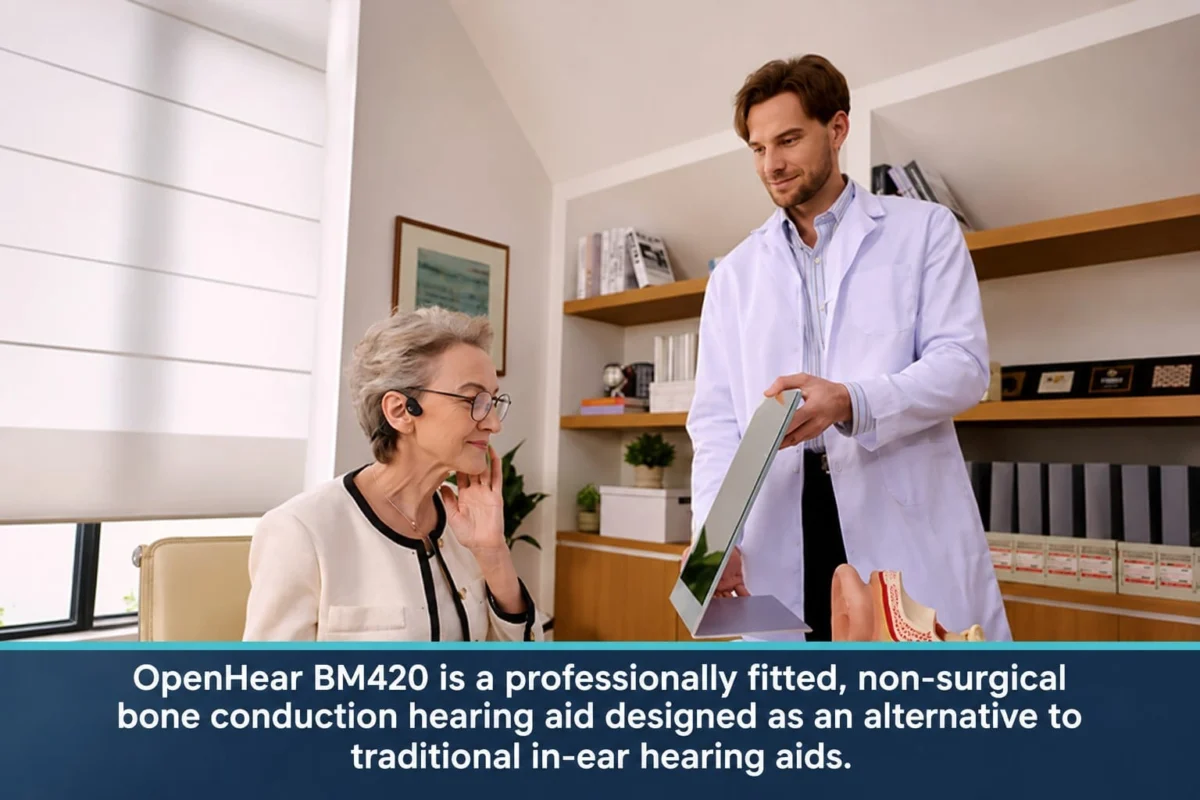
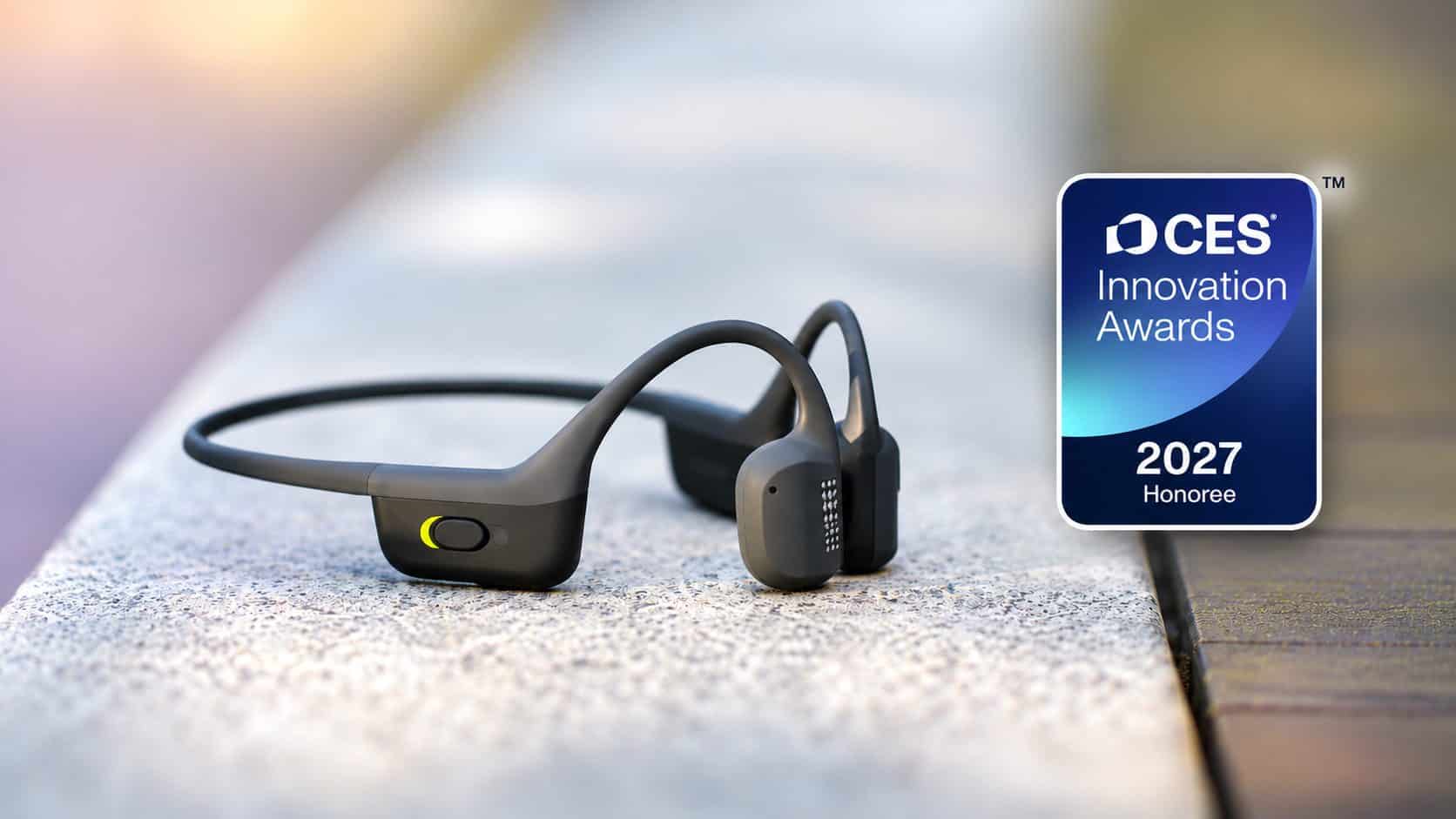
The OpenHear BM420 represents a strategic expansion of Shokz’s established expertise in open-ear audio technology, transitioning from consumer electronics into the realm of professionally fitted medical hearing solutions. Designed as a non-surgical bone conduction hearing aid, the device offers a distinctive alternative for eligible individuals who require hearing assistance but seek to avoid traditional in-ear canal devices. Its core appeal lies in its combination of personalized hearing settings, advanced directional microphones, sophisticated environmental noise reduction capabilities, and integrated audio streaming functionalities, all encased in a design prioritizing comfort and extended wear.
Understanding the CES Innovation Awards and Their Significance
The CES Innovation Awards program, orchestrated by the Consumer Technology Association (CTA), stands as a globally recognized benchmark for excellence in design and engineering across the vast landscape of consumer technology. Each year, an elite panel of industrial designers, engineers, and members of the tech media rigorously evaluates submissions based on a comprehensive set of criteria, including innovation, engineering qualities, aesthetic and design, functionality, and how the product improves the quality of life. Earning an Innovation Awards Honoree title is not merely an accolade; it signifies a product that demonstrates exceptional forward-thinking design and a tangible impact on its respective industry.
The Accessibility & Longevity category, in which the OpenHear BM420 was honored, specifically champions technologies that enhance accessibility for individuals with disabilities and support healthy, independent living across all ages. This category reflects a growing societal imperative to leverage technological advancements to break down barriers and extend opportunities for participation and well-being. For ShokzHear, this recognition validates their commitment to addressing critical user needs within the hearing care sector through novel applications of existing technologies. The award’s timing, preceding the device’s market entry, provides a powerful endorsement, signaling to both professionals and prospective users that the OpenHear BM420 embodies a significant leap forward in accessible hearing solutions.
The OpenHear BM420: A Paradigm Shift in Hearing Aid Design
At the heart of the OpenHear BM420’s innovation is its non-surgical bone conduction technology, which bypasses the ear canal entirely. Unlike conventional air conduction hearing aids that amplify sound and deliver it through the ear canal to the eardrum, bone conduction devices transmit sound vibrations directly through the bones of the skull to the cochlea (inner ear). This method of sound transmission is particularly beneficial for individuals with conductive hearing loss, where sound transmission through the outer or middle ear is impaired, or mixed hearing loss, which involves both conductive and sensorineural components. Furthermore, it offers a compelling option for those with certain types of sensorineural hearing loss who may experience discomfort or medical contraindications with traditional in-ear devices. The CES official product listing details the BM420’s design to accommodate individuals across these spectrums of hearing impairment.
Key features highlighted by ShokzHear underscore the device’s commitment to both efficacy and user convenience:
- Personalized Hearing Settings: Tailored amplification and sound processing profiles configured by a hearing care professional to match an individual’s specific audiometric characteristics and listening preferences. This ensures optimal sound clarity and comfort in various environments.
- Directional Microphones: Advanced microphone arrays that focus on sounds originating from specific directions, significantly improving speech understanding in noisy environments by minimizing background chatter and isolating desired speech signals.
- Environmental Noise Reduction: Sophisticated algorithms designed to identify and suppress unwanted ambient noise, enhancing the listening experience and reducing listening fatigue, particularly in challenging acoustic situations.
- Audio Streaming Capabilities: Seamless connectivity via Bluetooth or similar protocols, allowing users to stream audio directly from smartphones, tablets, and other compatible devices for calls, music, podcasts, and television, integrating the hearing aid into modern digital lifestyles.
- Open-Ear Comfort: The fundamental design principle of leaving the ear canal unobstructed not only addresses comfort concerns, especially for extended wear, but also reduces the sensation of occlusion often associated with in-ear devices. This open-ear approach is also beneficial for individuals prone to ear infections or those with anatomical variations that preclude the use of traditional hearing aids.
- Intuitive Controls: Emphasis on user-friendly controls, making the device accessible and manageable for a broad demographic, including older adults who may find complex interfaces daunting.
Shokz’s Journey: From Consumer Audio to Professional Hearing Care
Shokz, formerly known as AfterShokz, has cultivated a strong reputation globally for its consumer bone conduction headphones. Since its inception, the company has championed the open-ear listening experience, offering a unique blend of situational awareness and audio enjoyment. Their consumer products transmit sound through vibrations on the cheekbones, leaving the ear canals open to ambient sounds, a feature highly valued by athletes, outdoor enthusiasts, and professionals who need to stay aware of their surroundings. This success in the consumer market has provided Shokz with invaluable experience in bone conduction technology, ergonomic design, and user-centric product development.
The establishment of ShokzHear marks a pivotal strategic move for the company, signifying its deliberate entry into the professional hearing-care domain. This expansion is not merely a diversification of product lines but a conscious application of its core technological competencies to address a critical healthcare need. By leveraging its decades of research and development in bone conduction, ShokzHear aims to bridge the gap between innovative consumer audio and clinically validated medical devices. This move reflects a broader industry trend where technology companies are increasingly looking to apply their expertise in new sectors, particularly in health and wellness. The OpenHear BM420 is the flagship product of this ambitious venture, embodying the company’s commitment to bringing its open-ear philosophy to individuals experiencing hearing loss.
Bone Conduction Technology: A Historical and Clinical Perspective
Bone conduction technology, while gaining renewed attention through consumer products, has a rich history in hearing healthcare. Its principles were understood centuries ago, with early pioneers like Beethoven reportedly using a rod connected to his piano to "hear" music through bone vibrations. Clinically, bone conduction hearing aids have been a cornerstone for specific populations for decades. Early devices were often bulky, but technological advancements have led to more discreet and effective solutions.
Bone conduction devices are broadly categorized into two types: surgically implanted and non-surgical. Surgically implanted bone conduction systems, such as Bone Anchored Hearing Aids (BAHA), involve a titanium implant placed in the mastoid bone behind the ear, which directly vibrates the skull. These are highly effective for severe conductive or mixed hearing loss and single-sided deafness. Non-surgical bone conduction devices, like the OpenHear BM420, are worn externally and transmit vibrations through the skin and bone, avoiding the need for surgery. This non-invasive approach broadens the accessibility of bone conduction amplification to a wider range of patients.
The suitability of bone conduction amplification is determined by an individual’s audiometric profile and clinical needs, typically assessed by an audiologist or ENT specialist. Conditions such as chronic ear infections, congenital ear malformations (e.g., atresia), persistent middle ear fluid, or single-sided deafness often make bone conduction an ideal choice. The OpenHear BM420’s non-surgical, open-ear design specifically targets enhanced comfort and reduces the common complaints associated with traditional hearing aids, such as occlusion effect (the sensation of your own voice sounding hollow or boomy) and pressure in the ear canal. This ergonomic consideration is crucial for long-term user adoption and satisfaction.
Addressing the Global Challenge of Hearing Loss: Market Context
Hearing loss represents a significant global public health challenge. According to the World Health Organization (WHO), over 5% of the world’s population – approximately 430 million people – requires rehabilitation for disabling hearing loss. In the United States alone, data from the National Institute on Deafness and Other Communication Disorders (NIDCD) indicates that around 15% of American adults (37.5 million) aged 18 and over report some trouble hearing. Despite the high prevalence, a significant portion of individuals who could benefit from hearing aids do not use them, often due to factors such as cost, perceived stigma, lack of awareness, or discomfort with existing devices.
The global hearing aid market is a multi-billion-dollar industry, projected to continue growing steadily. This growth is driven by an aging global population, increasing awareness of hearing health, and continuous technological advancements. There is a strong demand for diverse hearing solutions that cater to various degrees and types of hearing loss, as well as individual preferences regarding wearing style, aesthetics, and functionality. The entry of innovative devices like the OpenHear BM420, offering a non-traditional approach and leveraging consumer technology expertise, can stimulate market competition and drive further innovation, ultimately benefiting consumers.
Statements, Industry Reactions, and Broader Implications
Fengyun Liao, director of ShokzHear, articulated the company’s vision in their announcement: "In hearing care, performance matters, but so does whether people feel comfortable wearing a device day after day. OpenHear BM420 brings our experience in open-ear bone conduction technology to that challenge, offering an alternative designed around both hearing assistance and everyday comfort. We’re honored to have this approach recognized by the CES Innovation Awards." This statement underscores the dual focus on clinical efficacy and user-centric design that underpins the OpenHear BM420.
The introduction of the OpenHear BM420 is poised to elicit significant interest from various stakeholders within the hearing healthcare community. Audiologists and ENT specialists are likely to welcome an additional non-surgical bone conduction option, particularly one that emphasizes comfort and modern features. For professionals, having a broader portfolio of devices allows for more tailored solutions that can better meet the unique needs and preferences of their diverse patient base. Industry analysts are likely to view ShokzHear’s entry as a testament to the increasing convergence of consumer electronics and medical devices, potentially signaling a new era of innovation in hearing care. This cross-pollination of technologies can lead to more intuitive, feature-rich, and aesthetically appealing devices that challenge traditional form factors and functionalities.
The broader implications extend to democratizing access to hearing solutions. By offering a comfortable, discreet, and technologically advanced non-surgical bone conduction option, ShokzHear could help reduce some of the barriers to adoption. The familiar "open-ear" concept, popularized by Shokz’s consumer headphones, might also contribute to destigmatizing hearing aid use, presenting it as an extension of modern personal audio technology rather than solely a medical device. This approach could appeal particularly to younger demographics or those new to hearing assistance.
U.S. Availability and Future Outlook
The countdown to the U.S. availability of the OpenHear BM420 begins with its planned launch on November 20, 2026. ShokzHear has outlined a distribution strategy that emphasizes professional fitting and support, making the device accessible through established channels such as participating hearing centers, ENT clinics, and hospitals. This professional-only distribution model ensures that individuals receive proper audiometric assessment, personalized fitting, and ongoing support from qualified hearing care professionals, which is crucial for the optimal performance and satisfaction with any hearing aid.
Looking ahead, Shokz is also slated to showcase its expanding portfolio of open-ear technology at CES 2027, which will run from January 6–9 in Las Vegas. This presence at one of the world’s most influential technology events will provide a global platform for ShokzHear to demonstrate the OpenHear BM420 and articulate its vision for the future of hearing assistance. The company’s continued investment in research and development in open-ear technology suggests a long-term commitment to innovation in both consumer and professional audio spaces.
The OpenHear BM420 represents more than just a new product; it embodies a philosophical approach to hearing care that prioritizes comfort, integration into daily life, and the leveraging of cutting-edge technology to address a fundamental human need. As the device prepares for its U.S. debut, its CES Innovation Award recognition positions it as a significant contender in the evolving landscape of hearing solutions, promising to offer a fresh perspective for individuals seeking effective, comfortable, and discreet hearing assistance. Further information regarding the OpenHear BM420 and ShokzHear’s initiatives is available via ShokzHear’s official website.