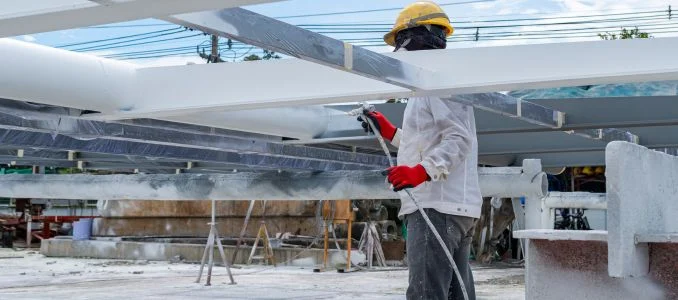
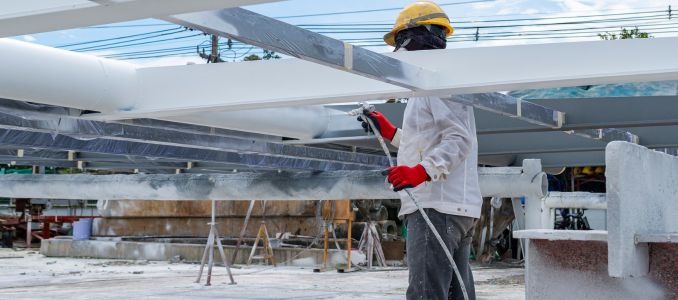
Under the updated oversight framework, contractors operating on designated building projects must ensure that every worker tasked with the spray application or manual installation of fire-retardant coatings possesses a valid, state-issued credential. This enforcement action is designed to mitigate the risks associated with building failures in high-heat scenarios, where improperly applied fireproofing can fail to provide the required hourly ratings, thereby endangering occupants and first responders.
The Regulatory Landscape and Legislative Context
The move toward mandatory certification stems from a long-term effort by Washington State to standardize life-safety protocols. In the modern construction industry, passive fire protection—which includes spray-applied fire-resistive materials (SFRM) and intumescent coatings—serves as the first line of defense during a structural fire. Unlike active systems such as sprinklers, which rely on mechanical activation, fireproofing coatings are static; if they are not applied to precise thickness and density specifications, they may delaminate or fail to insulate steel columns and beams during a fire event.
For years, the industry operated under general building code requirements that mandated fireproofing but lacked a granular, worker-specific certification process. The new mandate effectively closes this loop, shifting the burden of proof from a general project inspection to a per-person qualification standard. By requiring that applicators demonstrate competency through state-approved training, the Department of Labor & Industries is effectively treating fireproofing as a specialized trade rather than a general laborer task.
Chronology of Implementation
The path to this enforcement date has been a multi-year process involving stakeholder consultations and technical rule-making. The sequence of events leading to the current regulatory environment can be summarized as follows:

- Initial Regulatory Drafting: Following concerns raised by fire safety engineers regarding the variability in fire-resistant coating performance, the state began assessing the feasibility of a formal, state-wide applicator certification program.
- Public Comment and Review: Throughout the legislative development phase, L&I engaged with architectural firms, structural engineering associations, and construction unions to refine the competency criteria.
- The Grace Period: Upon the formal adoption of the rules, the state allowed for an implementation window, providing contractors and training entities time to align their internal processes with the new standards.
- Active Enforcement Initiation: As of the current fiscal period, the department has moved past the educational and advisory phase, shifting to on-site inspections where failure to produce valid credentials can lead to project delays, stop-work orders, or administrative fines.
Supporting Data and Industry Risk Factors
The necessity for such regulations is underscored by data concerning structural integrity during fire events. According to building performance research, steel begins to lose significant structural strength at approximately 1,000 degrees Fahrenheit. Without adequate fire-resistant coating, unprotected steel can reach these temperatures within minutes of a flashover.
Industry analysis indicates that improper application—often resulting from human error—is a primary cause of fireproofing failure. Common issues include "dry spray," where the material is applied with too much air pressure, causing it to bounce off the steel, or incorrect mix ratios that result in a density below the manufacturer’s tested listing. Studies conducted by fire safety research institutes have suggested that even a 10% reduction in required thickness can lead to a 50% decrease in the fire-rating duration of a steel member. By mandating certification, Washington aims to drastically reduce these application errors, thereby improving the overall safety profile of the state’s high-density urban infrastructure.
The Role of Approved Training Providers
A cornerstone of the new policy is the establishment of a robust network of training providers. Recognizing that the state cannot manage the entire pipeline of workforce development alone, L&I has opened a pathway for organizations—including trade unions, private training firms, and educational institutions—to become approved course sponsors.

Becoming a designated training provider requires a rigorous application process. Sponsors must demonstrate that their curriculum aligns with current International Building Code (IBC) standards and the specific testing requirements for the materials being used. The state has waived the administrative fees for becoming an approved sponsor to encourage participation and prevent cost-barriers from limiting the availability of training. Once approved, these designations remain in effect for three years, provided the provider continues to adhere to state competency standards. Instructors within these programs must also be vetted, ensuring that the individuals teaching the next generation of applicators possess the requisite field experience and technical knowledge to instruct on complex topics such as substrate preparation, ambient condition monitoring, and thickness gauge calibration.
Implications for Contractors and Project Managers
For general contractors and construction management firms, the enforcement of these rules introduces a new layer of project administration. Compliance is no longer limited to ensuring the material itself is "UL-listed"; it now encompasses the "human factor" of the application process.
Project managers are now expected to:

- Verify Credentials: Maintain a digital or physical repository of certifications for every worker on-site who handles fire-retardant materials.
- Coordinate with Subcontractors: Ensure that specialty subcontractors who specialize in fireproofing are aware of the Washington-specific requirements and that their personnel are current with their state training.
- Facilitate Audits: Prepare for potential site visits from L&I inspectors who may request documentation during routine progress checks.
The failure to comply could result in significant project disruption. If an inspector identifies uncertified personnel performing work on a structural steel project, they have the authority to halt that specific scope of work until the issue is rectified. In the high-stakes environment of commercial and industrial construction, where schedules are tightly compressed, the financial impact of such a delay could be substantial.
Analysis of Broader Safety Trends
The Washington initiative reflects a growing national trend toward the professionalization of specialized construction trades. As buildings become more complex, incorporating advanced materials and taller structural designs, the margin for error in life-safety systems has narrowed.
Experts in the field of fire protection engineering have generally lauded this shift. By treating the applicator as a certified professional, the state is acknowledging that the efficacy of a passive fire protection system is as much about the application process as it is about the chemistry of the coating itself. Furthermore, this regulation provides a legal framework that protects contractors who invest in high-quality, trained labor, ensuring they are not being undercut by competitors who utilize under-trained, cheaper labor that may compromise the building’s safety.

Future Outlook and How to Participate
As the state moves forward, the Department of Labor & Industries has signaled that it will continue to refine its oversight mechanisms. The goal is not merely to punish non-compliance, but to cultivate a culture of safety that permeates the construction industry from the design phase to the final inspection.
For individuals seeking to obtain certification, the path forward involves identifying an approved training provider, completing the required instructional modules, and successfully passing the state-mandated assessment. For firms wishing to establish their own internal training programs, the application process for course sponsorship is currently open. Detailed information, including the list of currently approved providers and the technical criteria for sponsorship, is available through the official portal of the Washington State Department of Labor & Industries.
As urban density increases across Washington, the importance of reliable, properly applied fire-resistant materials will only continue to grow. This regulatory enforcement is a clear signal that the state is committed to ensuring that the modern steel structures defining the skyline are built to withstand the realities of fire, protecting not only the capital investment of the developers but, more importantly, the lives of those who live and work within them. By mandating that only qualified hands apply the materials that shield our buildings from catastrophe, Washington is setting a benchmark for safety that may soon be mirrored in other jurisdictions across the United States.