
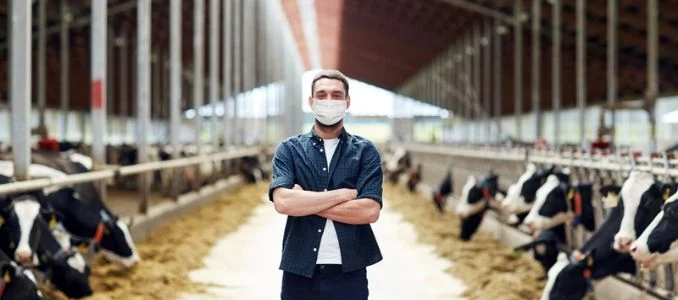
The tragedy marks a critical juncture in the ongoing effort to manage the zoonotic spillover of the H5N1 virus from poultry and wild birds into the U.S. dairy cattle population. With the virus demonstrating an unprecedented capacity for cross-species transmission, the state’s regulatory bodies are moving to ensure that the risks faced by agricultural workers—who operate at the front lines of this biological interface—are mitigated through mandatory training, specialized personal protective equipment (PPE), and revised operational workflows.

Chronology of the H5N1 Outbreak in Washington
The presence of H5N1 in Washington’s dairy sector is part of a broader, nationwide trend that has seen the virus spread across dozens of states since it was first detected in domestic dairy cattle in early 2024. In Washington, the situation escalated rapidly during the autumn months. State health officials confirmed that the worker in question had been in direct contact with infected livestock. Following the individual’s illness and subsequent death, the Washington State Department of Health and L&I launched an interagency investigation to trace the source of the infection and assess whether existing safety protocols were sufficient to protect other employees.
While the investigation into the specific facilities remains active, L&I has emphasized that no formal workplace safety violations have been identified as of mid-November. However, the agency’s pivot toward proactive enforcement suggests a shift in the regulatory environment, where "recommended" safety practices are being treated with the urgency of mandatory requirements.
The Critical Role of PPE in Agricultural Settings
The primary mechanism for transmission in dairy settings is believed to be contact with contaminated materials, including raw milk, manure, milking equipment, and airborne particles generated during high-pressure cleaning or animal handling. To combat these vectors, the Department of Labor & Industries has outlined a robust PPE regimen that exceeds standard agricultural operating procedures.

For workers interacting with dairy cattle or poultry, the state now mandates the use of:
- Respiratory Protection: NIOSH-approved N95 respirators are the baseline requirement. Unlike simple surgical masks, these respirators must be part of a formal, written respiratory protection program that includes medical evaluation and annual fit testing.
- Protective Apparel: Workers are instructed to utilize fluid-resistant coveralls, which act as a physical barrier against aerosolized droplets and biological waste.
- Ocular and Facial Defense: Safety goggles and face shields are recommended to prevent the virus from entering through the mucous membranes of the eyes, a known route of transmission for avian influenza.
- Sanitary Footwear and Gloves: Durable, waterproof boots and gloves are essential to minimize the risk of cross-contamination when moving between animal enclosures or shared farm vehicles.
The state’s guidance underscores that PPE is not a standalone solution but must be part of an integrated hazard management system. Employers are reminded that providing equipment is insufficient if the equipment is not maintained properly, stored in clean environments, or utilized by workers who have undergone comprehensive training.
Regulatory Expectations and Employer Obligations
Under Washington state law, the responsibility for maintaining a safe workplace rests squarely with the employer. For dairy and poultry operations, this means that the presence of H5N1 necessitates a documented "respiratory protection program." This is a rigorous legal requirement that mandates:

- Selection Criteria: Employers must select equipment based on the specific respiratory hazards present in the facility.
- Medical Fitness: Employees must be medically cleared to wear tight-fitting respirators, as the physical exertion involved in dairy work can exacerbate breathing difficulties for those with underlying conditions.
- Training and Maintenance: Workers must demonstrate proficiency in donning and doffing PPE, understanding the limitations of the equipment, and recognizing the early signs of infection.
L&I has warned that failure to maintain these records or to provide adequate training could result in significant fines and legal liability. Beyond these administrative burdens, the department is urging farms to implement engineering controls, such as the installation of high-efficiency ventilation systems and the use of mechanical tools that allow workers to maintain distance from infected animals during milking or waste removal.
Epidemiological Context and Public Health Implications
The death of the Washington worker serves as a grim reminder of the high stakes involved in zoonotic diseases. While H5N1 typically causes mild respiratory symptoms in humans, the potential for viral mutation remains a central concern for the Centers for Disease Control and Prevention (CDC) and global health organizations. The dairy environment provides a unique "mixing vessel," where influenza viruses can circulate among cattle and potentially adapt to human hosts.
Data collected from the USDA’s Animal and Plant Health Inspection Service (APHIS) indicates that the virus has spread to over 400 dairy herds in the United States. While the vast majority of infected cows recover, the economic impact on the dairy industry is substantial, leading to decreased milk production and strict quarantine requirements for affected facilities.

Public health experts argue that the agricultural sector must move toward a culture of "biosecurity by design." This involves not only personal protection but also systemic changes to how farms are operated, including the segregation of healthy and sick animals, the restriction of movement between farms, and the implementation of rigorous sanitation schedules for transport vehicles, which often serve as major conduits for the virus.
Analysis: The Future of Agricultural Labor Safety
The current situation in Washington represents a transition point for U.S. agriculture. For decades, the dairy industry has operated with relatively low levels of personal protective equipment usage, relying on the assumption that livestock-to-human transmission of influenza was rare. The emergence of H5N1 has fundamentally dismantled that assumption.
The implications for the industry are profound. First, the cost of labor is likely to rise as farms invest in specialized training and the procurement of industrial-grade PPE. Second, there is an increased likelihood of federal and state oversight becoming more frequent and invasive. As L&I continues its inspections, the industry is watching closely to see if the state will move toward more punitive measures to enforce compliance.

Furthermore, the integration of public health mandates into agricultural labor practices creates a logistical challenge. Dairy work is inherently fast-paced, often involving long hours and labor-intensive processes. Integrating high-level respiratory protection into this environment requires not only the equipment itself but a shift in the speed and nature of daily operations. Farms that fail to adapt to these new "new normal" standards risk not only regulatory action but also the health of their workforce and the viability of their business.
Moving Forward: Resources and Prevention
For employers seeking to align their operations with state mandates, the Washington L&I website serves as a primary hub for resources. The agency has published specific technical documents regarding the selection of PPE, templates for written respiratory programs, and bilingual training materials for the diverse workforce that powers the dairy industry.
As the state of Washington continues to monitor the situation, the emphasis remains on transparency and collaboration. Officials have noted that the goal of the current inspections is to prevent further tragedy rather than to penalize operators. By identifying gaps in current protection strategies—such as the misuse of respirators or the lack of adequate handwashing facilities—the state aims to create a blueprint for safety that can be applied to dairy and poultry farms across the country.

The tragedy of the November 1 death has catalyzed a necessary conversation about the vulnerability of the agricultural workforce. While the immediate focus is on the containment of H5N1, the long-term goal is the development of a resilient agricultural sector capable of navigating the complex, ever-evolving landscape of zoonotic disease. Through strict adherence to the latest PPE standards and a commitment to continuous, high-quality worker training, the industry can take the necessary steps to safeguard both the food supply and the individuals who maintain it.