
The Landscape of Tinnitus in the United Kingdom
Tinnitus, the perception of noise or ringing in the ears, is a prevalent condition that affects a significant portion of the adult population. According to clinical data, approximately 10% to 15% of the UK population experiences some form of persistent tinnitus. For a subset of these individuals, the condition is severe enough to cause significant distress, anxiety, and interference with daily life. Despite its prevalence, many patients report feeling isolated following their initial assessment, as clinical time constraints often limit the depth of information that can be provided during a standard hearing consultation.
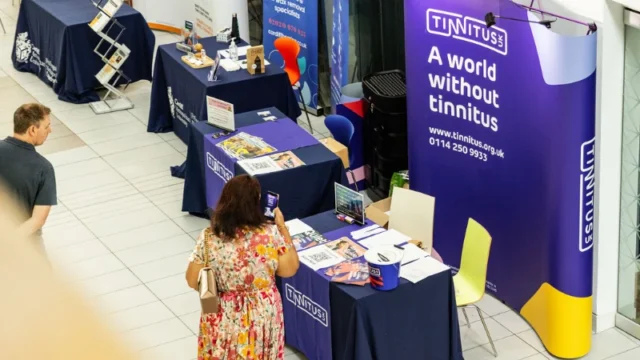
The partnership arrives at a time when the healthcare sector is increasingly recognizing that tinnitus management requires a multifaceted approach. While audiological assessments are crucial for identifying underlying hearing loss or medical conditions, the psychosocial impact of the condition often necessitates external support, peer interaction, and patient education—areas where Tinnitus UK specializes.
Chronology of the Initiative
The development of this partnership reflects a multi-year effort to harmonize patient care pathways across the UK.
- Pre-2025: Tinnitus UK identified that many patients were unaware of the availability of third-sector support services until long after their initial diagnosis, leading to avoidable distress.
- Early 2026: Planning stages commenced between Tinnitus UK and Boots Hearingcare to develop a structured referral framework.
- September 2026: The formal launch of the partnership, seeing the rollout of training and informational materials across nearly 500 Boots Hearingcare stores nationwide.
- Future Milestones: The organizations have committed to a period of monitoring to assess the volume of referrals and the efficacy of the signposting process in connecting patients to local support groups.
Operational Framework and Store-Level Integration
The operational core of this partnership centers on the information provided to the frontline staff at Boots Hearingcare. Every store location has been mapped against Tinnitus UK’s database of regional support groups. If a patient within a specific catchment area requires in-person support, they will be directed to the nearest physical group. In areas where such groups are not currently established within a 25-mile radius, staff are instructed to provide details for the charity’s extensive online communities and digital support resources.
Crucially, the partnership maintains a clear boundary between commercial audiological services and the charity’s advocacy work. Tinnitus UK has emphasized that this collaboration does not constitute a product endorsement or a commercial recommendation of the services provided by Boots Hearingcare. The charity remains an independent body, continuing its mission to provide impartial advice regardless of where a patient receives their private or NHS hearing care.
Analysis of the Clinical-Supportive Divide
The integration of charity-led support into the commercial hearing care environment addresses a long-standing critique within the audiology sector. Clinical professionals often focus on the "medical model"—diagnosing the cause and proposing technical solutions such as hearing aids or sound therapy devices. While these interventions are effective for many, they do not always address the cognitive and emotional burden of tinnitus.
By embedding Tinnitus UK’s resources into the Boots Hearingcare pathway, the organizations are effectively introducing a "social prescribing" element. This acknowledges that the management of chronic conditions like tinnitus is as much about psychological resilience as it is about physiological intervention. Analysts suggest that this model could set a precedent for other private healthcare providers, shifting the focus from transactional appointments to a holistic journey of patient care.
Perspectives from Stakeholders
Danny Knight, Partnerships Manager at Tinnitus UK, has articulated the necessity of this intervention, noting that the isolation often felt by patients is most acute in the immediate aftermath of experiencing symptoms. "Tinnitus can be incredibly isolating, particularly in those early days when people are searching for answers and don’t know where to turn," Knight stated. "Making sure people know that free, independent support is available is hugely important. This partnership gives us another opportunity to reach people at that critical point and connect them with the information, reassurance, and community that Tinnitus UK provides."
From the perspective of Boots Hearingcare, the partnership represents a commitment to the "duty of care" that extends beyond the sale of hearing aids. By empowering their audiologists and store staff with actionable information, they are providing a value-added service that assists patients in navigating their diagnosis with greater confidence.
Broader Implications for Public Health
The scale of this partnership is noteworthy. With nearly 500 stores involved, the potential for increasing the reach of Tinnitus UK’s support network is significant. For the charity, this provides a massive, pre-existing audience that is already seeking help for ear-related issues. For the public, it simplifies the complex process of finding reliable information in an era where internet-based misinformation about tinnitus treatments is rampant.
Furthermore, the focus on local support groups serves to revitalize community-based mental health support. For many living with chronic tinnitus, the ability to converse with others who share their experience—learning coping strategies that are not necessarily clinical in nature—can be transformative.
Ensuring Long-Term Efficacy
As the partnership moves into its implementation phase, observers will be watching to see how the referral process is maintained over time. The success of the initiative will likely depend on the consistency of the training provided to Boots Hearingcare staff and the scalability of Tinnitus UK’s resources to meet any potential increase in demand.
Independent experts in the field of audiology have suggested that the effectiveness of this program will be measured by the "patient journey" experience. If patients report feeling more informed about their options and less distressed by their symptoms post-referral, the partnership could serve as a blueprint for future collaborations between private healthcare providers and national health charities.
Accessing Support Services
For individuals currently navigating the complexities of tinnitus, the core message from both organizations remains consistent: help is available and there is no need to face the condition in isolation. Tinnitus UK encourages anyone experiencing symptoms to visit their official website to access a wealth of resources, including:
- Evidence-based information: Guides on the causes of tinnitus and how to manage the emotional and physical symptoms.
- Support Group Finder: A digital tool that allows users to identify both local and regional groups based on their postcode.
- Helpline and Webchat: Direct access to trained staff who can provide immediate guidance and reassurance.
As of September 2026, these resources are being brought to the forefront of the clinical encounter at Boots Hearingcare. By fostering this bridge between the clinic and the community, Tinnitus UK and Boots Hearingcare are taking a decisive step toward ensuring that every person living with tinnitus in the UK has the tools they need to live well. The partnership underscores a broader shift in the healthcare industry toward a more comprehensive, patient-centered approach that prioritizes long-term well-being and community connectivity alongside clinical excellence.