
Understanding the Landscape: Hearing Implants vs. Hearing Aids
At their core, both hearing aids and surgical hearing implants are designed to enhance hearing, but their operational principles and applications differ fundamentally. Conventional hearing aids function by amplifying ambient sounds, channeling them through the ear canal to the inner ear. This method proves effective for individuals with mild to moderate hearing loss where the natural auditory pathway remains sufficiently functional to process amplified signals.
In contrast, hearing implants are sophisticated medical devices engineered to bypass or directly stimulate specific, compromised components of the auditory system. They are not merely amplified hearing aids; rather, they represent a paradigm shift in how sound is perceived when the natural hearing mechanisms are significantly impaired. This distinction is crucial, as the choice between a hearing aid and a hearing implant hinges on the precise nature and severity of the hearing loss. Many individuals first explore hearing aids, but for those who find limited benefit, implantable solutions become the next frontier in auditory restoration.
The following table illustrates the key differences:
| Solution | How They Work | When They May Be Considered |
|---|---|---|
| Hearing Aids | Amplify sound, which is then sent through the ear canal. | For mild and moderate degrees of hearing loss when amplified sound can still be processed effectively by the auditory system. |
| Hearing Implants | Bypass, stimulate, or directly activate parts of the hearing pathway. | When hearing aids do not provide adequate benefit, cannot be used due to anatomical or physiological reasons, or are not appropriate for the specific type of hearing loss. |
The Spectrum of Hearing Implant Technologies
The field of hearing implants is not monolithic; it encompasses a range of technologies, each tailored to address specific auditory challenges. A thorough audiological evaluation by a hearing specialist is paramount in determining the most suitable implant type for an individual’s unique hearing profile.

Cochlear Implants (CIs)
Cochlear implants are perhaps the most widely recognized type of hearing implant. They are designed for individuals experiencing severe to profound sensorineural hearing loss, a condition often characterized by damage to the inner ear (cochlea) or the auditory nerve, where conventional hearing aids offer insufficient benefit.
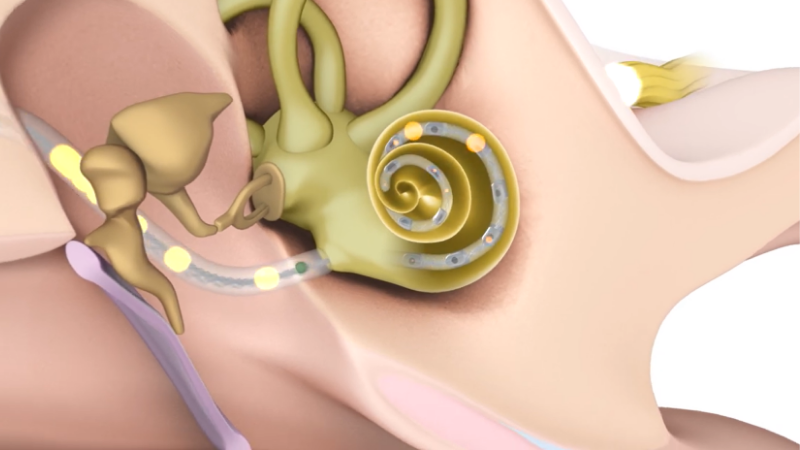
How They Work: A cochlear implant system comprises an internal component, surgically placed under the skin, and an external audio processor. The external processor captures sound and converts it into digital signals. These signals are then transmitted to the internal implant, which transforms them into electrical impulses. These impulses are delivered directly to the cochlea via an electrode array, bypassing the damaged hair cells and directly stimulating the auditory nerve. This electrical stimulation is then interpreted by the brain as sound.
Candidacy and Process: Candidacy for a cochlear implant is determined through comprehensive audiological and medical evaluations. The process typically involves several stages:
- Evaluation: Detailed hearing tests, imaging scans (such as MRI or CT), and an assessment of overall health.
- Surgery: A surgical procedure to implant the internal components, including the receiver/stimulator and the electrode array. This surgery generally takes between one to three hours and is performed under general anesthesia.
- Activation and Fitting: Approximately a few weeks after surgery, the external audio processor is fitted and activated. This marks the beginning of the auditory rehabilitation process, where the implant is programmed and adjusted to optimize sound perception.
- Auditory Rehabilitation: This ongoing process involves speech therapy and auditory training to help the brain learn to interpret the new sound signals and improve communication skills.
MED-EL’s philosophy of "closest to natural hearing" emphasizes the importance of delivering sound information to the cochlea in a way that preserves natural pitch representation. Technologies like long electrode arrays, FineHearing, and individualized fitting options are designed to support this goal, aiming for superior speech understanding and sound quality.
Bone Conduction Implants
Bone conduction implants offer a vital solution for individuals with conductive or mixed hearing loss, as well as those with single-sided deafness. Unlike cochlear implants that stimulate the inner ear directly, these systems leverage the skull’s natural ability to conduct sound vibrations.
How They Work: Sound is captured by an external processor and converted into vibrations. These vibrations are then transmitted through the bone of the skull to the inner ear, bypassing any issues in the outer or middle ear that may be obstructing or distorting sound transmission.

Types and Applications:
- Bone Conduction Hearing Aids: These are non-surgical devices that utilize a soft band or headband to press a sound processor against the skull. They are suitable for individuals with conductive or mixed hearing loss where surgery is not preferred or feasible.
- Bone Conduction Implants: These are active implantable systems. The implant is surgically placed under the skin, with a transducer that directly vibrates the bone. This offers a more permanent and robust solution for individuals who require the benefits of bone conduction but also desire an implanted device. MED-EL’s Bonebridge system is a notable example of an active bone conduction implant.
Bone conduction implants are not interchangeable with cochlear implants; they address different underlying causes of hearing loss.
Middle Ear Implants
Middle ear implants represent a sophisticated category of auditory devices that work by mechanically stimulating the structures of the middle ear. They are designed for individuals with conductive, mixed, or even certain types of sensorineural hearing loss where conventional hearing aids are either unsuitable or provide insufficient benefit.
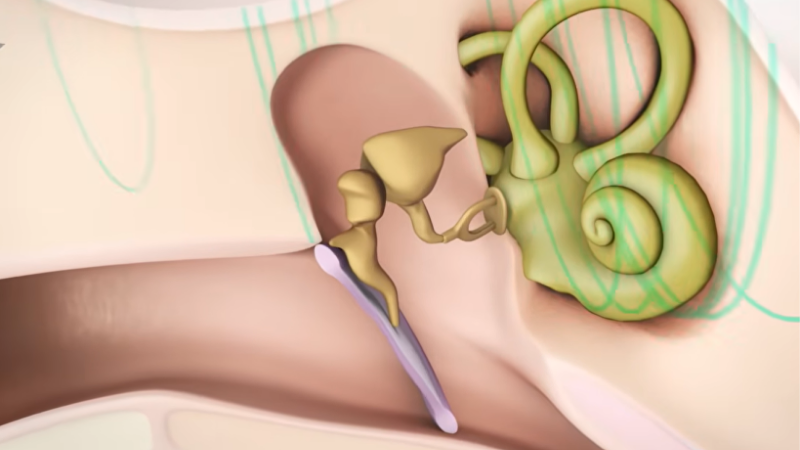
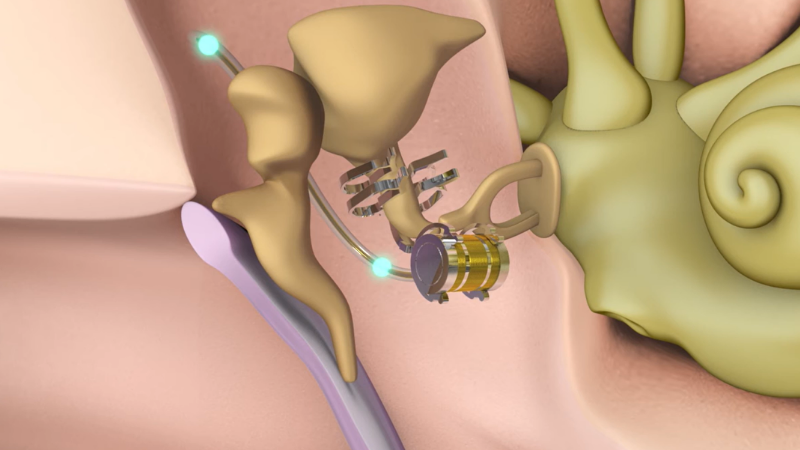
How They Work: These implants interact directly with the ossicles (malleus, incus, stapes) or other middle ear structures. They convert sound signals into mechanical vibrations, which are then transmitted to the inner ear, thereby enhancing the sound reaching the cochlea.
Variations and Candidacy: Middle ear implants can be classified as either active or passive systems. The choice depends on the specific hearing loss profile and the anatomical conditions of the middle ear. They are considered for individuals who cannot wear external hearing aids due to skin allergies, chronic ear infections, or when the benefits from hearing aids are limited.
Auditory Brainstem Implants (ABIs)
Auditory Brainstem Implants are reserved for very specific and rare clinical scenarios. They are not designed to stimulate the cochlea but rather the auditory pathways within the brainstem itself.
How They Work: ABIs bypass the cochlea and the auditory nerve entirely. They consist of an electrode array surgically placed onto the brainstem, which directly stimulates the cochlear nuclei, the first relay station for auditory information in the brain.
Indications: ABIs are typically considered when the auditory nerve is absent, severely damaged, or cannot be used. This can occur in cases of:
- Tumors of the auditory nerve (e.g., acoustic neuromas) that require surgical removal, leading to nerve damage.
- Certain congenital abnormalities affecting the inner ear or auditory nerve.
- Situations where the cochlea cannot be accessed or effectively stimulated for other medical reasons.
Due to the complexity and specialized nature of this intervention, ABIs are only recommended after extensive evaluation by a multidisciplinary team of specialists.
Identifying Candidacy for Hearing Implants
Determining suitability for a hearing implant is a personalized process, moving beyond a one-size-fits-all approach. While the specific criteria vary among implant types, several common factors are considered.
General Candidacy Factors:
- Type and Degree of Hearing Loss: The specific nature of the damage within the auditory system is paramount.
- Limited Benefit from Hearing Aids: If conventional amplification devices do not provide satisfactory auditory perception and communication.
- Medical and Anatomical Suitability: The overall health of the individual and the structural integrity of the ear and related anatomy.
- Realistic Expectations: Understanding the potential benefits and limitations of the implant technology.
- Commitment to Rehabilitation: Willingness to engage in post-operative auditory training and speech therapy.
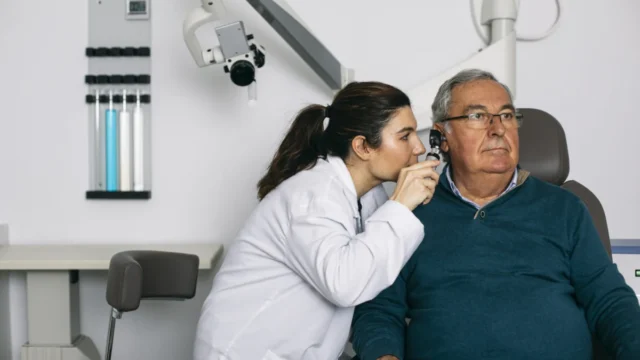
Evaluation Process: To ascertain candidacy, healthcare professionals typically conduct:
- Comprehensive Audiological Assessments: Detailed tests to measure hearing thresholds across various frequencies, speech understanding capabilities, and electrophysiological responses.
- Medical Examinations: A thorough review of medical history, physical examination, and specific tests relevant to the chosen implant type.
- Imaging Studies: MRI and CT scans provide detailed anatomical views of the ear and auditory pathways.
- Psychosocial and Lifestyle Assessment: Evaluating communication goals, daily communication needs, and the individual’s support system.
Age, prior hearing experiences, and personal communication aspirations are also vital components in guiding treatment recommendations. Ultimately, only qualified audiologists and Ear, Nose, and Throat (ENT) specialists can definitively determine if a hearing implant is the appropriate solution.
The Surgical Journey and Post-Implantation Care
The surgical implantation of a hearing device is a significant medical procedure, tailored to the specific type of implant.
Surgical Procedures:
- Cochlear Implantation: This involves creating a small incision behind the ear to access the skull. The internal receiver/stimulator is placed beneath the skin, and a thin electrode array is carefully inserted into the cochlea through a small opening.
- Bone Conduction Implants: For active systems like the Bonebridge, a small surgical procedure is performed to implant the receiver/stimulator under the skin and position the transducer for optimal bone vibration.
- Middle Ear Implants: Surgery involves accessing the middle ear structures to attach the implant’s vibrating component.
Post-Operative Care: Following surgery, a recovery period is necessary. Patients are closely monitored by their healthcare team. The activation of the external processor typically occurs several weeks later, allowing the surgical site to heal and the body to adjust. This is followed by a crucial phase of activation, fitting (programming), and ongoing auditory rehabilitation. This rehabilitative process is key to maximizing the benefits of the implant, as it helps the brain adapt to processing sound through the new pathway.
Unlocking the Benefits: What to Expect
The benefits derived from hearing implants are profoundly personal and can significantly enhance quality of life. These benefits are influenced by numerous factors, including the type of implant, the individual’s hearing history, the effectiveness of rehabilitation, and their personal goals.
Potential Benefits Include:
- Improved Speech Understanding: Greater clarity in comprehending spoken language, even in challenging environments.
- Enhanced Sound Awareness: The ability to perceive a wider range of sounds, from environmental noises to music.
- Better Communication: Facilitating more meaningful interactions with family, friends, and colleagues.
- Increased Social Engagement: Reducing feelings of isolation and enabling fuller participation in social activities.
- Improved Quality of Life: Greater independence, confidence, and overall well-being.
A significant challenge for many individuals with hearing loss is understanding speech in noisy environments. While implants offer substantial improvements, success in these situations is a complex interplay of advanced sound processing technologies, microphone directionality, precise fitting, and dedicated rehabilitation. MED-EL’s commitment to natural sound quality incorporates features like automatic sound management, directional microphones, and noise reduction to help users navigate diverse listening environments more effectively.
Navigating the Decision: Choosing the Right Implant
The selection of the most appropriate hearing implant is a collaborative decision between the patient and their hearing healthcare team. Key considerations include:
- Type and Severity of Hearing Loss: The foundational element guiding the choice.
- Cause of Hearing Loss: Understanding the underlying pathology helps in selecting the most effective intervention.
- Lifestyle and Communication Needs: Daily activities, work environment, and personal communication goals play a vital role.
- Anatomical Considerations: The physical structure of the ear and auditory pathways.
- Patient Preferences and Expectations: Individual desires for sound quality and communication outcomes.
Crucial questions to pose to healthcare professionals include:
- What are the specific benefits and potential risks associated with each implant option?
- What is the expected outcome in terms of speech understanding and sound quality?
- What does the rehabilitation process entail, and what level of commitment is required?
- What are the long-term maintenance and technological upgrade possibilities?
A thorough understanding of available hearing solutions, coupled with open dialogue with an audiologist or ENT specialist, empowers individuals to make an informed decision that is precisely aligned with their unique needs.
Frequently Asked Questions About Hearing Implants
Are hearing implants permanent?
Yes, the internal component of a hearing implant is designed for long-term use, often for many years, representing a permanent solution. The external audio processor, however, is removable and can be upgraded or replaced as technology advances.
Can children receive hearing implants?
Absolutely. Many children with severe hearing loss are excellent candidates for hearing implants. Early implantation is particularly beneficial for supporting speech, language, and cognitive development. Eligibility is determined through thorough medical and audiological evaluations.

Do hearing implants restore normal hearing?
No, hearing implants do not restore hearing to its natural state. Instead, they provide access to sound by stimulating the auditory system in ways that bypass damaged components. They enable many individuals to understand speech and communicate more effectively, but individual results vary based on factors like hearing history and rehabilitation engagement.
How long does hearing implant surgery take?
Most hearing implant surgeries are completed within one to three hours, depending on the specific implant type and individual surgical requirements. The procedure is typically performed under general anesthesia, and patients often return home the same day or after a brief hospital stay.
Can you have an MRI with a hearing implant?
Yes, many modern hearing implants are MRI-compatible under specific conditions. The safety and protocol for MRI scans depend on the implant model and the strength of the MRI scanner’s magnetic field. It is imperative to inform healthcare providers and imaging teams about the presence of a hearing implant before any MRI procedure.
Conclusion: Empowering Auditory Futures
Hearing implants represent a remarkable convergence of medical technology and audiological science, offering renewed access to the world of sound for those facing significant hearing loss. From cochlear implants that directly stimulate the auditory nerve to bone conduction implants that leverage the body’s natural sound pathways, and the specialized applications of middle ear and auditory brainstem implants, the landscape of auditory rehabilitation is continuously evolving.
The decision to pursue a hearing implant is a significant step, demanding thorough evaluation, commitment to the surgical and rehabilitation process, and realistic expectations. However, for countless individuals, these advanced technologies have proven to be transformative, unlocking the potential for clearer communication, richer auditory experiences, and an enhanced overall quality of life. For those who believe they might benefit, consulting with a MED-EL team or a local hearing specialist is the vital first step in exploring these life-changing auditory solutions.
Disclaimer: This article is for informational purposes only and does not constitute medical advice. Consult with a qualified healthcare professional for any health concerns or before making any decisions related to your health or treatment.