Foundations of Success: The Role of Early Intervention
Landon Nolfi-Browne’s journey began in the early years of the Listen and Talk program, a period characterized by intensive speech and auditory development training. The organization, which provides comprehensive educational and therapeutic resources for children who are deaf or hard of hearing, focuses on bridging the developmental gap through early intervention. According to clinical data regarding childhood auditory development, the first three years of life are critical for neurological plasticity, particularly concerning language acquisition. By engaging in these programs, Nolfi-Browne received the pedagogical support necessary to establish robust communication skills that would later facilitate his accelerated academic path.
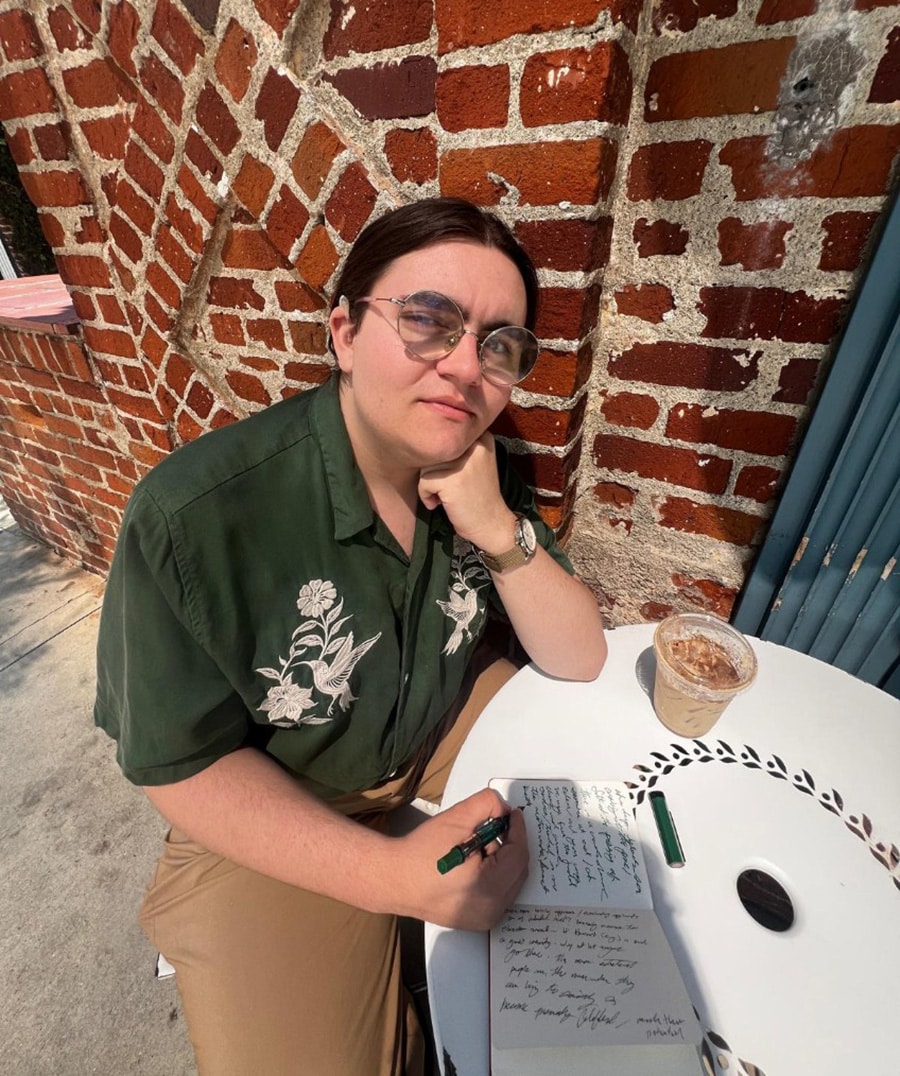
His parents reflect on this foundational period as the catalyst for his subsequent independence. "When I watch Landon, I see someone who perseveres and tries to make the world a better place," his parents noted in an official statement. "I don’t know how that would be possible if the staff hadn’t been there for Landon in the beginning. They illuminated the path for him to live life without limits." This sentiment highlights the broader objective of such interventions: to transition from a clinical setting to an environment of self-determined academic success.
Chronology of an Accelerated Academic Path
Nolfi-Browne’s academic record is defined by an unusual degree of acceleration and international mobility. His trajectory suggests a high level of intellectual curiosity that transcended the standard K-12 curriculum.
- Early Childhood: Received specialized intervention services through Listen and Talk, focusing on auditory and speech therapy.
- Middle School Years: Dissatisfied with the pace of standard local curriculum, Nolfi-Browne began enrolling in community college courses while still in the sixth grade. By the time he reached junior high, he had transitioned away from traditional secondary schooling to pursue collegiate studies, eventually serving as a tutor for his peers in higher education.
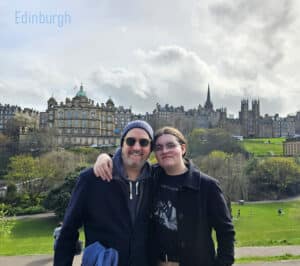
- The Edinburgh Period: At age 17, Nolfi-Browne enrolled at the University of Edinburgh in Scotland. During his tenure there, his historical analysis and written output garnered significant praise, often reaching the standard of professional, publication-level academic work.
- UCLA Transition: Following his return to the United States, Nolfi-Browne transferred to the University of California, Los Angeles (UCLA). His performance in the History department was characterized by consistent high-grade attainment, leading to a nomination for departmental honors.
- Public Policy and Professional Recognition: Concurrent with his undergraduate studies, Nolfi-Browne entered the sphere of public policy, working alongside San Francisco Board of Supervisors member Myrna Melgar. His contributions to policy research earned public recognition, including a standing ovation during a public forum for his substantive work.
Academic Excellence and Historical Research
At UCLA, Nolfi-Browne’s academic reputation has been solidified by his involvement with the Gilder Lehrman Institute of American History. As an inaugural member of the Undergraduate Advisory Council, he serves as a representative for his university at the national level. His current honors thesis, which explores complex historical narratives, has been nominated for departmental honors—a distinction that places him in the top tier of his cohort.
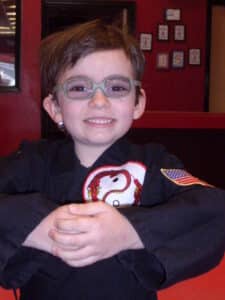
His professors have noted that his approach to history is marked by a rigorous analytical framework, a skill set he likely honed through the interdisciplinary demands of his earlier collegiate coursework. The nomination for the Undergraduate Advisory Council suggests that his peers and mentors view his contributions as essential to the broader discourse of American historical studies.
Impact of Public Service and Policy Advocacy
Nolfi-Browne’s foray into the public sector with the San Francisco Board of Supervisors demonstrates a commitment to applying historical and analytical rigor to current social issues. In his work with Myrna Melgar, he addressed complex policy questions that required a synthesis of legislative knowledge and community engagement. This practical application of his degree serves as a rebuttal to the traditional separation between academic theory and real-world policy implementation.
Public service, particularly for individuals who have navigated the challenges of hearing loss, often requires additional layers of communication and advocacy. Nolfi-Browne’s success in these environments indicates not only high intellectual capability but also the ability to advocate for inclusive practices in public forums.
Broader Implications for Early Intervention Programs
The success of Nolfi-Browne provides a case study for the long-term efficacy of the Listen and Talk model. Organizations dedicated to the education of children with hearing loss often face the challenge of proving that their impact lasts beyond the initial years of development. By producing graduates who excel at institutions like the University of Edinburgh and UCLA, the program demonstrates that early intervention provides a sustainable base for lifelong success.
Data from organizations like the National Institute on Deafness and Other Communication Disorders (NIDCD) suggest that early diagnosis and consistent intervention are the strongest predictors of long-term academic attainment for children with hearing impairments. Nolfi-Browne’s trajectory suggests that when these interventions are paired with a supportive environment that fosters self-determination, the "limitless" potential of the student can be fully realized.
Supporting Future Generations: A Call to Action
The Life Without Limits Award is not merely a reflection of Nolfi-Browne’s past achievements but also serves to highlight the necessity of ongoing funding for educational resources. The Listen and Talk organization relies on a social impact model, where philanthropic support funds critical services including:
- Early Intervention Services: Providing the neurological and communicative groundwork for infants and toddlers.
- Speech and Language Therapy: Tailored programs that assist children in developing the fluency required for competitive academic environments.
- Audiological Support: Ensuring that the technology and clinical monitoring required for hearing are consistently available.
- Parental Education: Equipping families with the tools to continue support at home, which remains a primary factor in student success.
The organization maintains that "no child should be limited by hearing loss." By spotlighting Nolfi-Browne, they aim to emphasize that the return on investment for such services is measured in the long-term contributions of individuals to their communities, academic fields, and professional landscapes.
Conclusion
Landon Nolfi-Browne’s receipt of the Life Without Limits Award is a recognition of both individual grit and the institutional support that enabled his journey. His path from the early classrooms of Listen and Talk to the upper echelons of historical research and policy at UCLA illustrates a narrative of persistence. As he completes his degree and looks toward his future career, his story remains a poignant reminder of the importance of early-stage investment in human potential. For the organization that mentored him, his success validates their mission and serves as an inspiration for the next generation of students navigating similar paths. The Listen and Talk community continues to encourage his progress, rooting for his continued success as he transitions into the next phase of his professional life.