The Critical Window: Early Intervention and Clinical Milestones
Sensorineural hearing loss, which occurs when there is damage to the inner ear or the nerve pathways from the inner ear to the brain, affects approximately 1 to 3 out of every 1,000 infants born in the United States. For Amalia, the clinical pathway began shortly after birth. The decision by her family to pursue a listening and spoken language approach was predicated on the understanding that the first three years of life represent a neuroplasticity window of unparalleled significance for language acquisition.
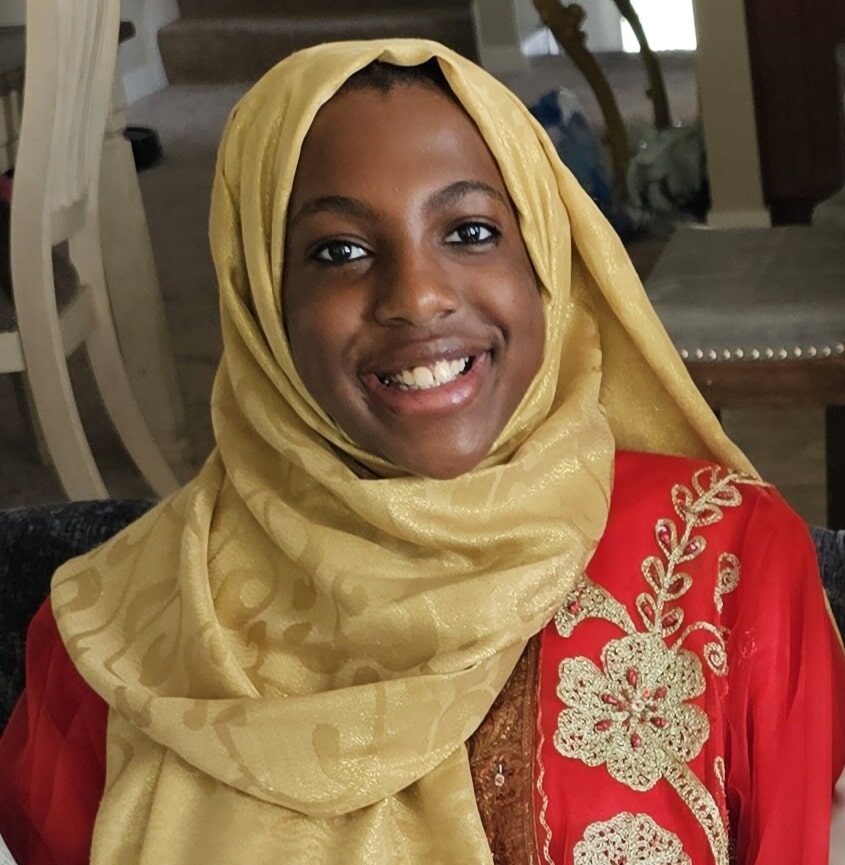
Amalia’s intervention began at Listen and Talk, a center dedicated to supporting children who are deaf or hard of hearing. Her program included the "Birth to Three" initiative, followed by a transition into a blended classroom setting. This chronological progression is standard in high-quality early intervention models: the initial focus is on auditory brain development, followed by the integration of speech-language pathology and social-emotional learning within a peer-based environment.
The Science of Listening and Spoken Language (LSL)
The LSL approach is designed to teach children who are deaf or hard of hearing to listen and talk through the use of technology, such as cochlear implants or hearing aids, and specialized therapy. Research consistently demonstrates that children who receive cochlear implants before the age of 12 months show significantly higher rates of speech and language development compared to those implanted later in childhood.
By the time Amalia entered her school-aged years, the foundation provided by her early intervention was clearly visible. The integration into a general education classroom was not a coincidence but a direct result of the intensive auditory-verbal therapy (AVT) she received. AVT focuses on the child’s ability to use their residual hearing—amplified by technology—to process spoken language, rather than relying on visual cues like sign language. For Amalia, this meant developing the cognitive and phonetic skills necessary to keep pace with hearing peers, a goal that requires ongoing collaboration between therapists, educators, and the family unit.

Beyond the Classroom: Social and Physical Development
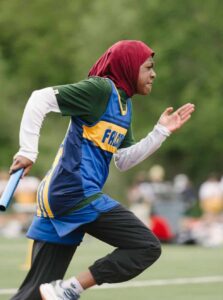
The success of an intervention program is often measured by a student’s ability to participate in the broader community. Amalia’s involvement in athletics, including swimming, track and field, and basketball, underscores the importance of confidence and self-advocacy. Physical activity serves as an essential component of child development, fostering motor skills, teamwork, and social interaction.
For a child who has experienced hearing loss, participating in sports also presents unique challenges, such as the need for robust communication with teammates and coaches in environments that may be acoustically difficult. Amalia’s ability to navigate these environments is a testament to the durability of the skills she acquired during her early formative years. Her story reflects a broader trend in pediatric audiology: shifting the expectation for children with hearing loss from "accommodation" to "full participation."
The Economic and Social Implications of Early Intervention
The financial and social implications of programs like Listen and Talk are significant. Early intervention for children with hearing loss is considered highly cost-effective; when children are equipped with the skills to succeed in mainstream education, the long-term societal costs associated with special education services, unemployment, and dependence on public assistance are substantially reduced.
Data from the National Institute on Deafness and Other Communication Disorders (NIDCD) indicates that early intervention can close the "achievement gap" for many children with hearing loss. However, the efficacy of these programs depends heavily on the availability of expert clinicians and the sustained engagement of families. Organizations that provide these services often operate as a hybrid of private, state-funded, and philanthropic entities. The "Alumni Family Giving Campaign" at Listen and Talk represents a growing trend in the non-profit sector where success stories are leveraged to ensure future generations receive the same caliber of support.
Perspectives on Long-Term Support
Educational experts and clinicians often highlight the "continuity of care" as the primary driver of success in cases like Amalia’s. It is rarely enough to provide intervention in the infancy stage; the transition to middle and high school requires ongoing monitoring to ensure that academic demands do not outpace a student’s auditory processing capabilities.
"The success of our alumni is the primary metric by which we evaluate our model," says a representative associated with the Listen and Talk initiative. "When we see students like Amalia not just surviving in a mainstream classroom, but thriving in sports and social circles, it validates the intensive, multidisciplinary approach we take during the first five years of life."
For families currently navigating the early stages of a child’s hearing loss diagnosis, the narrative of successful alumni provides a roadmap. It highlights that while the diagnosis is a significant life event, it does not dictate a child’s ceiling. The combination of early technological intervention and consistent, professional guidance creates an environment where limitations are minimized.
The Role of Philanthropy in Sustaining Programs
The sustainability of organizations providing these specialized services is a frequent topic of discussion in public health and education policy circles. With the high costs associated with specialized training for speech-language pathologists, audiologists, and early childhood educators, many centers rely on private donations to supplement government funding.
The Alumni Family Giving Campaign at Listen and Talk functions as a feedback loop. Former participants, who have seen the direct benefits of the services on their own career and social trajectories, are often the primary donors to these initiatives. This cyclical support system ensures that centers remain equipped with the latest technology and educational materials, which are critical in a field that is constantly evolving due to advancements in cochlear implant technology and remote programming capabilities.
Future Outlook and Conclusion
As we look toward the future of deaf and hard-of-hearing education, the focus is increasingly moving toward "inclusive equity." This involves not just placing students in mainstream classrooms, but ensuring that the tools for their success—such as classroom acoustics, assistive technology, and teacher training—are standardized.
Amalia Faraji’s path from a toddler receiving early intervention to a motivated and active young adult provides a clear look at what is possible when early intervention is prioritized. Her story serves as both an endorsement of the LSL approach and a reminder of the vital role that community support, family dedication, and specialized educational programs play in the lives of children with hearing loss. By removing barriers early in life, the necessity for accommodation in later years is greatly diminished, allowing students to pursue their academic and personal goals without the limitations that a hearing loss might otherwise impose.
The ongoing efforts of organizations like Listen and Talk demonstrate that with the right support, the vision of a future where "no child is limited by hearing loss" is not merely an aspiration, but an achievable reality. The continued success of students like Amalia remains the most compelling evidence for the necessity and effectiveness of high-quality early childhood intervention.