The Foundation of Early Intervention
Wendorf’s clinical journey began at four months of age, when he was first diagnosed with bilateral sensorineural hearing loss. Recognizing the critical nature of the "neuroplasticity window"—the period during early childhood when the brain is most receptive to auditory stimulation and language acquisition—his family enrolled him in the Listen and Talk program at six months.
The program focuses on the Blended Classroom model, which integrates deaf and hard-of-hearing children into environments that prioritize spoken language and auditory development. This pedagogical approach is supported by longitudinal research suggesting that children who receive consistent, specialized auditory-oral therapy prior to age three are significantly more likely to develop age-appropriate speech and language skills. Wendorf remained within this structured environment through his PreK years, building the communication infrastructure that would eventually serve as the bedrock for his adult pursuits.
A Medical Diagnosis: Understanding Barakat Syndrome
For the first decade of his life, Wendorf’s hearing loss was managed without a specific genetic classification. It was not until he reached the age of 12 that his family received a definitive diagnosis: Barakat Syndrome, also clinically referred to as HDR syndrome. This rare genetic condition is caused by haploinsufficiency of the GATA3 gene, which is essential for the development of the parathyroid glands, the auditory system, and the kidneys.
The triad of symptoms—Hypoparathyroidism, sensorineural Deafness, and Renal disease—presents a complex management challenge. The identification of the GATA3 mutation provided the Wendorf family with essential clinical clarity, allowing for targeted medical monitoring. In the context of rare disease research, such diagnoses are pivotal; they enable patients to shift from generalized treatment plans to proactive, system-specific care. According to the National Organization for Rare Disorders (NORD), the identification of the GATA3 pathway has opened new avenues for understanding how genetic expressions influence sensory and endocrine systems, offering hope for future diagnostic advancements.
Chronology of Development and Artistic Pursuit
Wendorf’s maturation was marked by an active engagement with extracurricular activities, demonstrating a shift from clinical management to personal development. His approach to childhood was characterized by a distinct lack of inhibition, a trait his family attributes to the confidence fostered during his formative years at Listen and Talk.
- Infancy (Age 0–2): Early detection and immediate initiation of auditory-oral therapy.
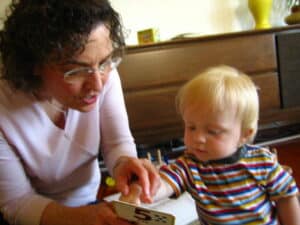
- Early Childhood (Age 3–5): Participation in the Blended Classroom program, fostering social-emotional learning alongside peers.
- Adolescence (Age 12): Clinical diagnosis of Barakat Syndrome, shifting medical focus to long-term systemic health monitoring.
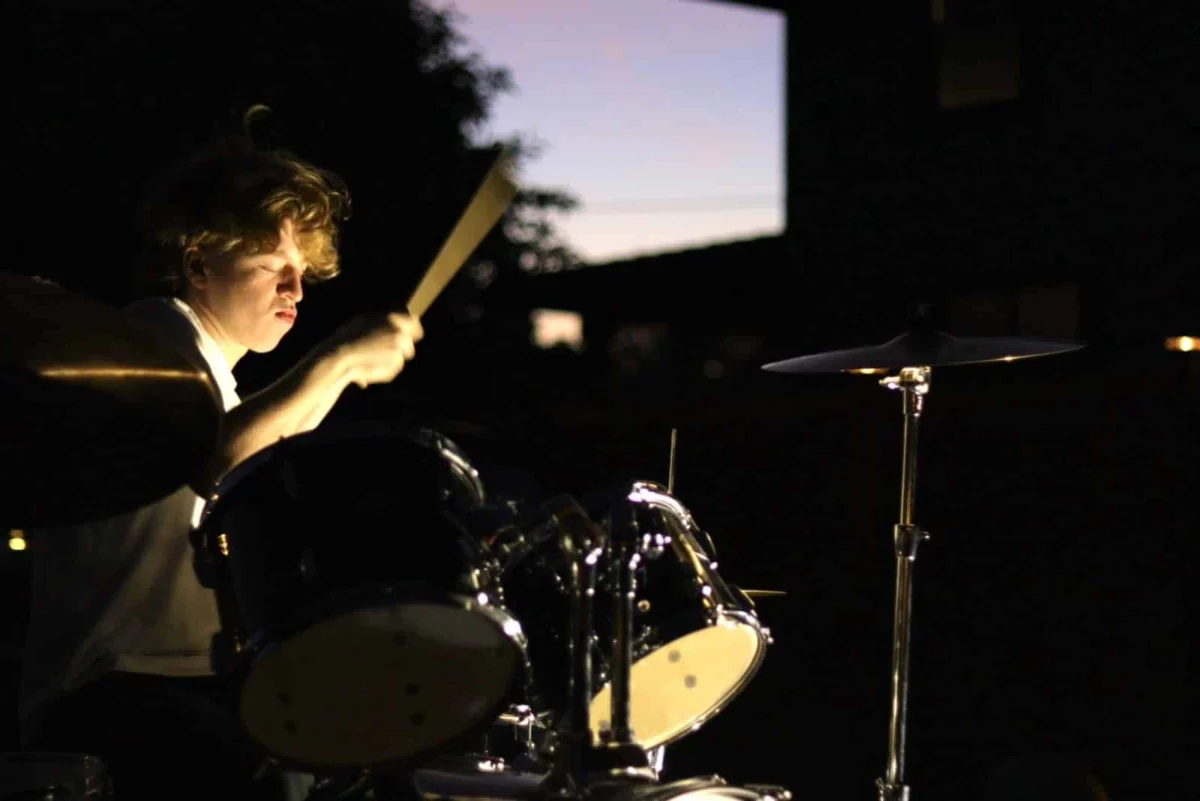
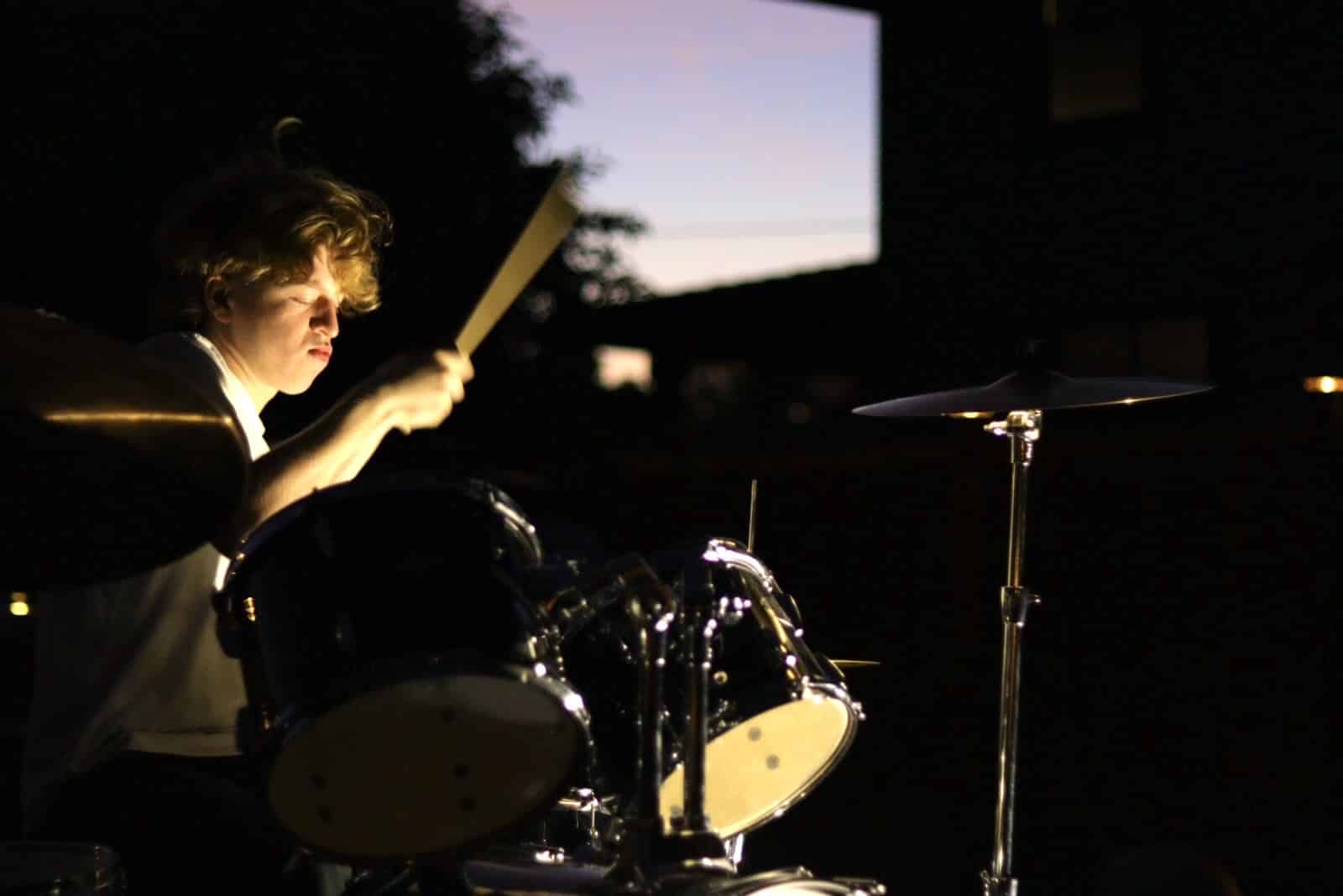
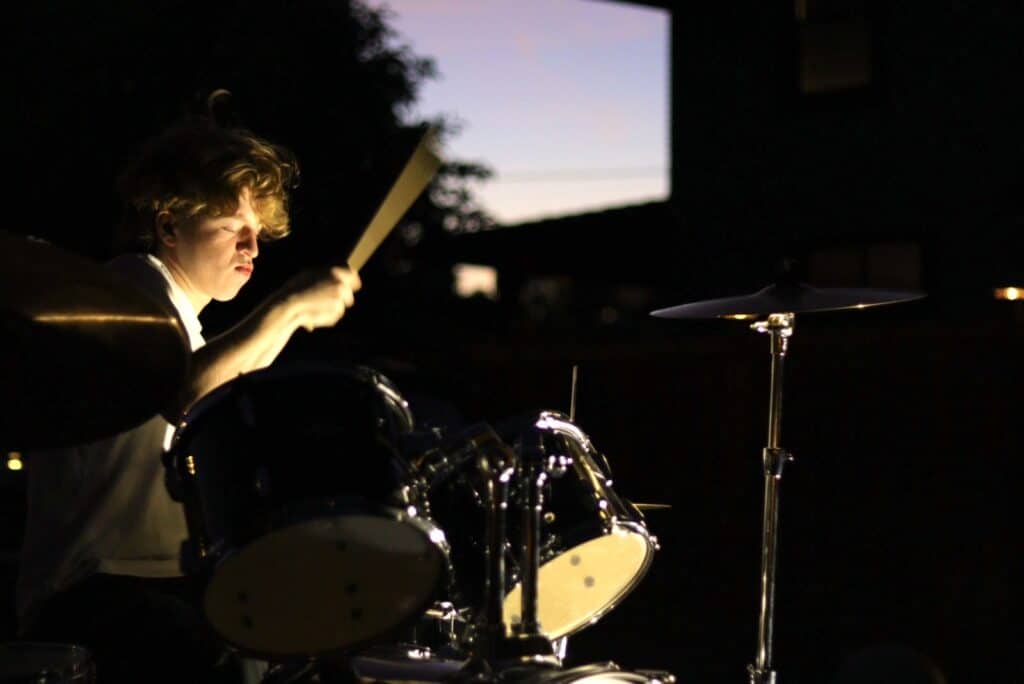
- High School (Age 14–18): Expansion into the performing arts, including improv and stage acting, complemented by self-taught proficiency in guitar and drums.
- Young Adulthood (Age 18+): Graduation from Renton High School in 2024 and relocation to Los Angeles to pursue professional ambitions in the creative arts.
This timeline highlights the transition from a "patient" identity to an "agent" identity. By leveraging his communication skills in high-stakes environments like improv comedy and theater, Wendorf has successfully navigated the social complexities often associated with being a hard-of-hearing individual in a hearing-dominated industry.
The Role of Specialized Advocacy and Education
The impact of specialized programs like Listen and Talk extends beyond the individual student. These organizations serve as a hub for parents and families navigating the complexities of disability advocacy. By providing a framework for self-advocacy, these institutions enable children to transition into adulthood with the skills necessary to explain their needs in professional and social settings.
Data from the Centers for Disease Control and Prevention (CDC) underscores that approximately 1 to 3 per 1,000 infants are born with permanent hearing loss in the United States. While technology—such as cochlear implants and high-powered hearing aids—has improved, the "human factor" of educational support remains the primary predictor of success. Programs that emphasize confidence, such as those Wendorf attended, are vital in mitigating the psychological stressors that often accompany hearing loss.
Professional Ambitions in Los Angeles
Now residing in Los Angeles, Wendorf is focused on establishing a sustainable career in the arts. His experience serves as a benchmark for many who are currently participating in early intervention programs. In statements regarding his journey, Wendorf has emphasized the importance of community, noting that the feeling of isolation is a primary barrier for young people with hearing loss.
"Listen and Talk showed me that in a world where it feels like there aren’t many people like me, I am not alone," Wendorf remarked. His transition to the professional entertainment industry, where he aims to utilize his musical and theatrical talents, serves as a validation of the comprehensive support provided by his family and educators.
Broader Implications for Healthcare and Policy
The case of Kai Wendorf highlights several critical takeaways for the broader community:
- Early Intervention ROI: The societal return on investment for early childhood intervention programs is substantial. By providing communication skills early, these programs reduce the long-term reliance on social support systems and increase the likelihood of workforce participation.
- Genetic Literacy: As genetic testing becomes more accessible, the identification of syndromes like Barakat (HDR) allows for earlier intervention, potentially saving patients from the complications of late-stage diagnosis.
- Holistic Education: The integration of the performing arts into the lives of children with disabilities is more than a hobby; it is a therapeutic tool for developing social stamina, emotional intelligence, and non-verbal communication skills.
The Wendorf family’s ongoing relationship with Listen and Talk, now through the Alumni Family Giving Campaign, underscores the cycle of support necessary for these programs to survive. The initiative seeks to ensure that the same level of care provided to Wendorf remains available to future generations, regardless of the severity of their diagnosis.
Conclusion
Kai Wendorf’s narrative is one of steady progress and the successful navigation of complex medical and social landscapes. By embracing the challenges of his genetic condition while simultaneously honing his artistic capabilities, he has demonstrated that a diagnosis of hearing loss does not dictate the limits of one’s professional or creative potential. As he continues to build his career, his journey remains a clear indicator of the value of early, intensive, and supportive educational intervention, providing a roadmap for families and organizations alike to foster resilience in the face of adversity.