A Legacy Born from a Personal Vision
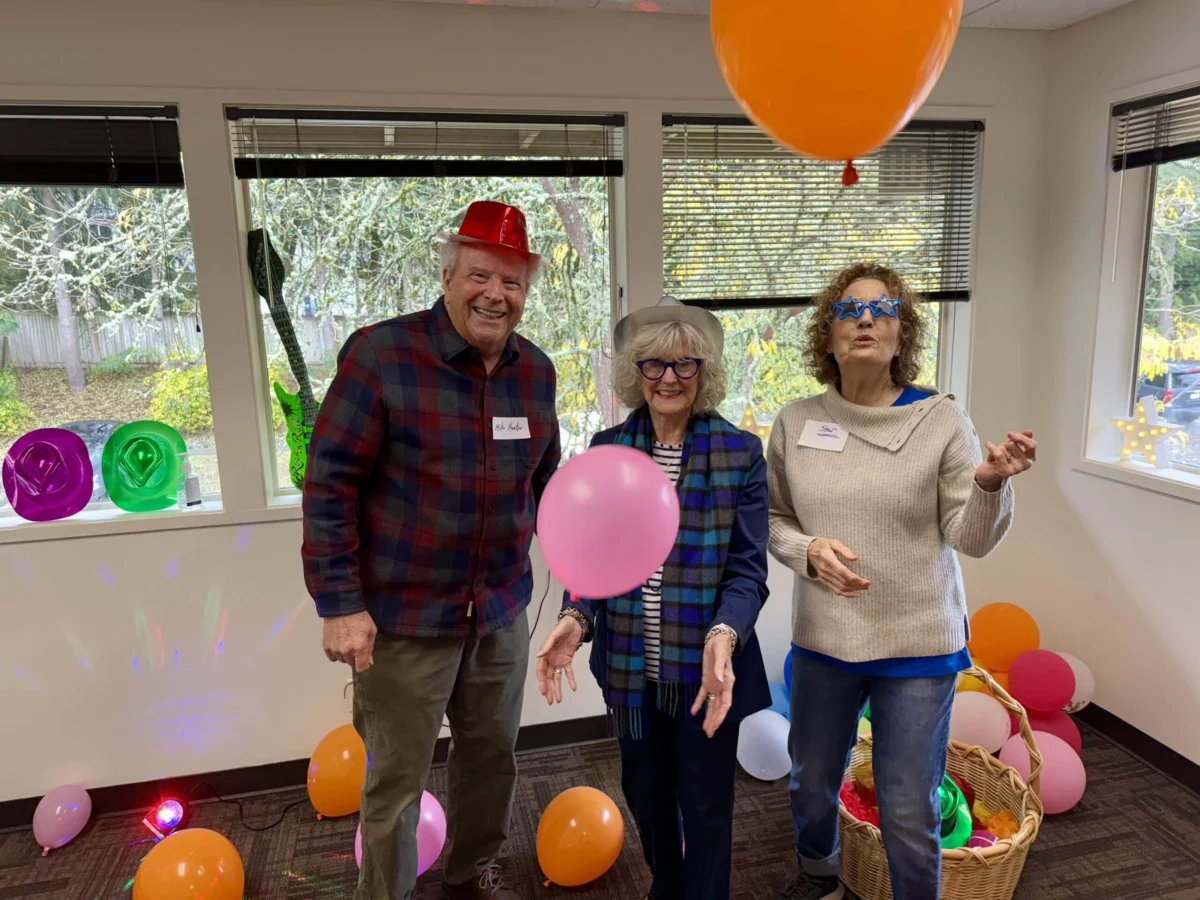
The organization’s inception dates back 29 years, originating from a modest but ambitious project in the home of Star Leonard-Fleckman. A dedicated teacher of the deaf and an early pioneer in the auditory-verbal therapy movement, Leonard-Fleckman envisioned an environment where children with hearing loss could master listening and spoken language skills, enabling them to integrate seamlessly into a hearing-centric society.
What began as a basement-based therapy practice has since evolved into a multifaceted educational and clinical institution. Today, Listen and Talk functions as a critical resource for over 200 families across Washington state, offering a hybrid model of in-person therapy and virtual outreach. The curriculum has expanded significantly from its early iterations to include a comprehensive suite of services: the Birth to Three Program, specialized audiology, intensive therapy sessions, and a signature Blended Classroom Program that integrates students with varying hearing abilities in a unified learning environment.
Chronology of Growth and Impact
The trajectory of Listen and Talk reflects broader advancements in hearing technology and pedagogical approaches. In its nascent stages, the organization focused primarily on foundational auditory skills. As cochlear implant technology and high-fidelity hearing aids became more accessible, Listen and Talk adapted its clinical framework to leverage these tools.
- 1990s: Foundation established in a private home, focusing on early intervention.
- 2000s: Expansion into formal classroom settings and the development of the Blended Classroom model.
- 2010s: Integration of digital outreach programs, allowing for greater accessibility for rural families in Washington.
- 2024-2025: Implementation of a robust fundraising infrastructure, including the inaugural Walk, Run, and Roll, to ensure the long-term sustainability of tuition-free or subsidized care.
This chronological expansion highlights a shift from a singular therapy practice to a comprehensive social enterprise. By embedding self-advocacy training into the core curriculum, the organization ensures that children do not merely learn to speak, but learn to articulate their needs, navigate social environments, and manage their own hearing technology—a milestone for independence that remains the primary metric of the program’s success.

The Inaugural Walk, Run, and Roll: Fiscal Success
The inaugural Walk, Run, and Roll fundraiser demonstrated the high level of community engagement Listen and Talk has cultivated over the decades. By decentralizing the event to include locations such as Edmonds, Woodinville, the Olympic Peninsula, and Green Lake, the organization achieved a broad reach, engaging participants ranging from toddlers to centenarians.
The financial results were significant. Initial reports indicate the event raised over $10,000 in community donations. This figure was doubled through a matching grant provided by founder Star Leonard-Fleckman. With additional contributions, the total funds raised reached more than $26,000. These funds are designated for the maintenance of specialized therapy equipment, the expansion of the Birth to Three Program, and the provision of financial aid to ensure that quality education remains accessible regardless of a family’s socioeconomic status.
Professional Perspectives on Auditory-Verbal Therapy
The efficacy of the Listen and Talk model is rooted in the principles of auditory-verbal therapy (AVT), which emphasizes the use of residual hearing or amplified sound to develop spoken language. Unlike models that rely on sign language as a primary communication method, AVT aims to train the brain to interpret auditory signals.
"Our goal is to provide each child with the skills needed to have meaningful relationships and learn by listening to the world around them," remarked Executive Director Maura Berndsen during the celebration. "By coaching the family and working directly with the child, we empower them to reason and think independently without the need for an interpreter."
This approach requires significant parent participation. Educators at the facility emphasize that the therapy does not end in the classroom; rather, it extends into the home. Because the organization currently serves families who collectively speak over 30 different languages, the curriculum is designed to be culturally and linguistically flexible, allowing parents to nurture their child’s language development within the context of their native household language.
A Multigenerational Community
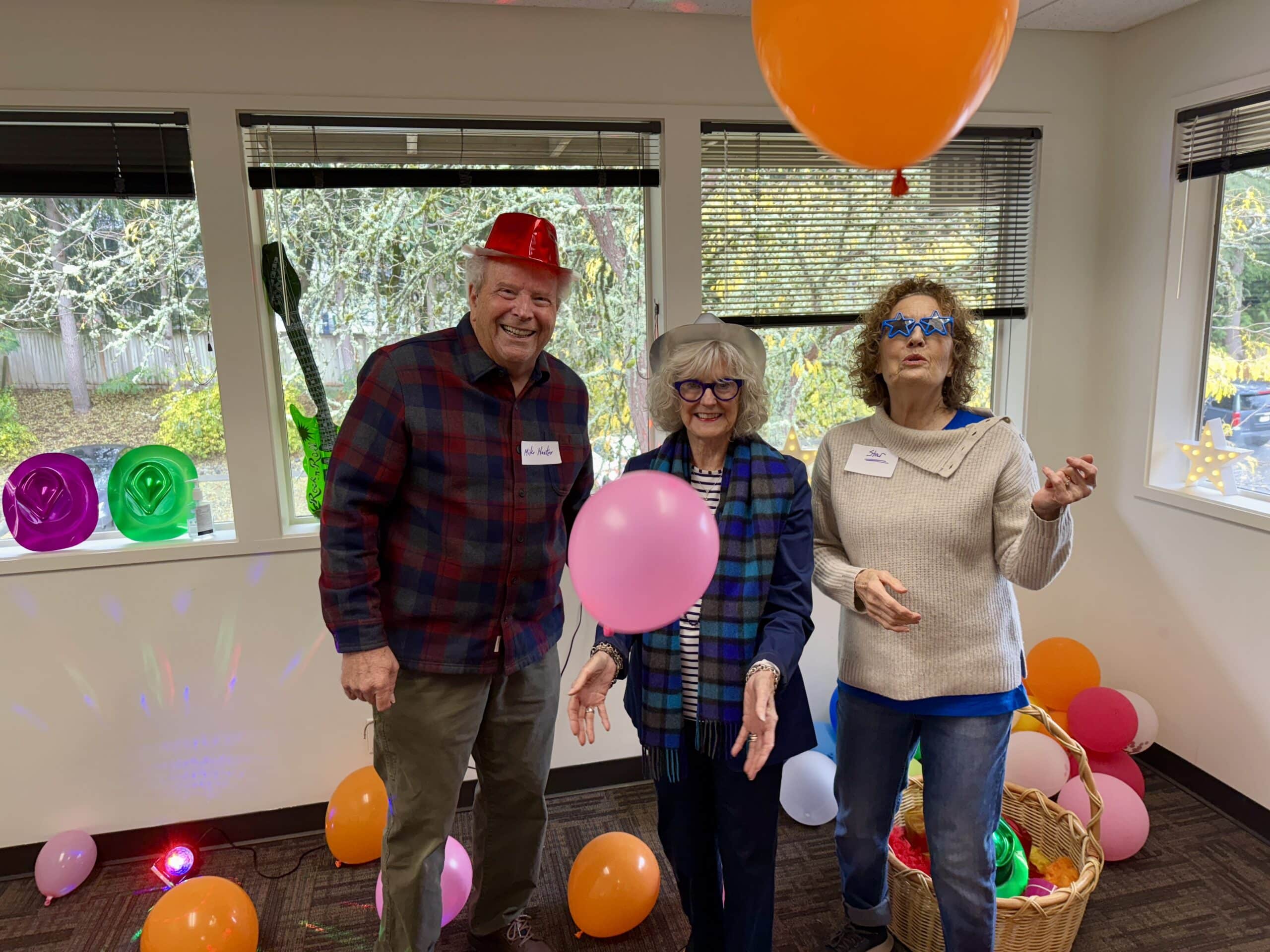
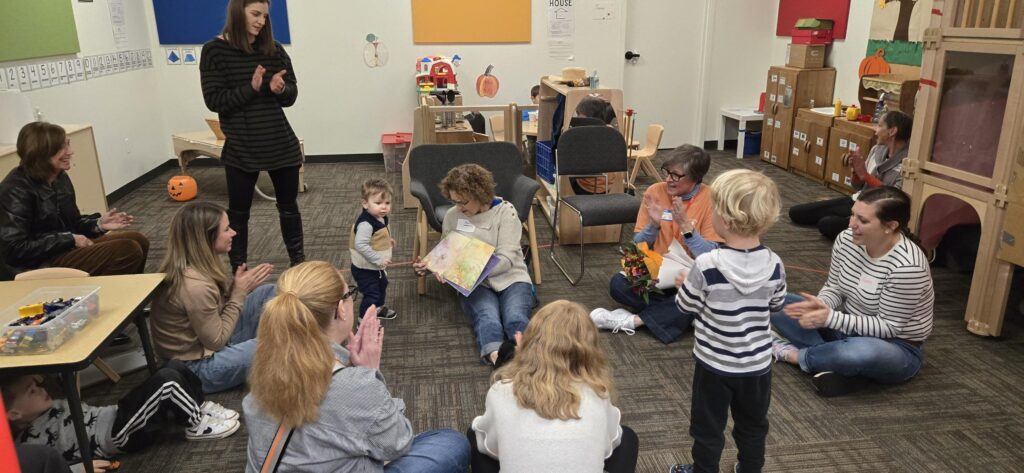
One of the most poignant aspects of the Founder’s Day event was the presence of alumni students. The return of former students, some of whom are now parents themselves, serves as a longitudinal assessment of the organization’s impact. During a "Story Time with Star" session, these alumni witnessed their own children engaging with the same pedagogical methods that facilitated their own development years prior.
This multigenerational engagement provides anecdotal but powerful evidence of the program’s success. Graduates of the program are frequently reported to be succeeding in mainstream educational settings, a testament to the efficacy of early intervention. The ability for alumni to return and participate in a vibrant, supportive community indicates that Listen and Talk has successfully cultivated an ecosystem of lifelong advocacy.
Strategic Implications and Future Outlook
The success of the 29th-anniversary events points toward a stable future, yet the organization faces the ongoing challenge of maintaining high-cost, specialized services. The demand for early intervention for the deaf and hard of hearing continues to rise as neonatal screenings detect hearing loss earlier, creating a need for immediate, high-quality support services.
From an organizational standpoint, the transition toward a more diverse funding model—moving beyond traditional grants to include community-led events like the Walk, Run, and Roll—is a strategic pivot. This move reduces reliance on state funding and private foundations, allowing for more operational agility.

Furthermore, the emphasis on a "social impact enterprise" model suggests that Listen and Talk is positioning itself to be a leader in the broader healthcare and education sector. By treating the family as the primary client, they ensure that the benefits of the therapy are scalable and sustainable.
Commitment to the Mission
As Listen and Talk looks toward its 30th year, the leadership has reaffirmed its commitment to the core tenet: that no child should be limited by hearing loss. The data supports the necessity of this mission. Studies consistently show that children with hearing loss who receive intensive auditory-verbal therapy before the age of three have significantly better outcomes regarding literacy, academic performance, and social integration than those who do not.
The funds raised during the recent events are already being integrated into the operational budget. These resources will directly support:
- Audiology Testing: Ensuring that the latest diagnostic technology is available to detect and monitor hearing loss.
- Individualized Therapy: Providing one-on-one sessions that are tailored to the specific developmental needs of each child.
- Parent Education: Equipping families with the tools to continue therapy in the home environment, which is the most critical factor in long-term linguistic success.
Conclusion: A Legacy of Sound
The Founder’s Day celebration was more than a commemorative event; it was a demonstration of the resilience and success of a model that prioritizes communication as a fundamental human right. By fostering an environment where children can listen, talk, and advocate for themselves, Listen and Talk has established a standard of care that serves as a blueprint for similar organizations.
As the community looks forward to the next decade, the focus remains clear: to provide the technological, pedagogical, and emotional resources necessary for children with hearing loss to reach their full potential. For a child who walks into the Kirkland campus, the world is not limited by a diagnosis. Instead, through the dedication of staff, the support of donors, and the engagement of families, the world becomes a place that can be heard, understood, and participated in with full confidence.