A Concerning Trend: The 2024 Safety Data
The mining sector, characterized by its unique environmental stressors and high-voltage machinery, faced significant scrutiny in 2024 due to a spike in electrical accidents. According to MSHA incident reports, 11 miners sustained injuries specifically attributed to electric arc flashes during that calendar year. These incidents were not merely minor equipment failures; they included high-consequence events such as a fatal electric shock involving high-voltage power lines and the tragic death of a 64-year-old electrician following a 4,160-volt arc flash explosion.
An arc flash, defined as a dangerous condition associated with the release of energy caused by an electric arc, can reach temperatures as high as 35,000 degrees Fahrenheit—roughly three times the temperature of the sun’s surface. In a confined mining environment, such an explosion can cause catastrophic damage, including blast pressure, flying debris, and intense thermal radiation, often resulting in severe burns or fatalities. The 2024 statistics have prompted MSHA leadership to emphasize that these risks are not unavoidable costs of doing business, but rather failures in hazard recognition and safety protocol enforcement.
The Role of Lockout/Tagout (LOTO) Procedures
At the heart of the MSHA safety campaign is the rigorous application of Lockout/Tagout (LOTO) procedures. LOTO is a critical safety practice designed to ensure that dangerous machines are properly shut off and unable to be started up again prior to the completion of maintenance or repair work. When these protocols are bypassed, ignored, or executed incorrectly, the results can be instantaneous and deadly.
MSHA’s directive to mine operators is unequivocal: no maintenance or inspection should commence on electrical equipment until the power has been completely isolated. This includes a systematic approach to disabling machinery and preventing the accidental release of hazardous energy. The agency has outlined a multi-step verification process that operators must enforce:
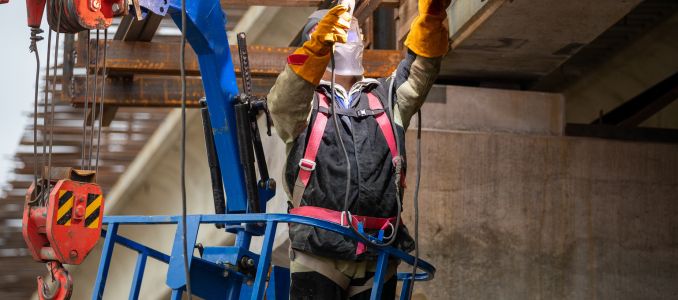
- De-energization: Properly opening circuit breakers and disconnecting all power sources from the machinery.
- Verification: Confirming the absence of power via visual disconnects and utilizing testing equipment to ensure zero energy state.
- Grounding: Implementing grounding conductors to bleed off any residual energy or accidental surges.
- Physical Barriers: Utilizing polycarbonate barriers and other protective shielding to protect workers from potential blast zones during the diagnostic phase.
Chronology and Regulatory Evolution
The emphasis on electrical safety is part of a long-standing effort by federal regulators to modernize safety standards in the face of increasingly complex mining technology. Over the last decade, as mining operations have moved deeper and integrated more sophisticated automation and high-voltage power grids, the nature of electrical accidents has shifted.
Historically, MSHA has focused on ground control and dust suppression. However, the data trends from 2020 through 2024 indicate that electrical hazards have moved to the forefront of occupational risk. In response to this, MSHA has updated its training requirements, mandating that only certified and highly trained electricians perform tasks involving high-voltage systems. The agency’s current campaign serves as a bridge between existing federal regulations and the practical, day-to-day enforcement required at the site level.

Official Stance and Industry Response
MSHA officials have stated that electrical standards are not merely suggestions but the bedrock of preventing shocks, electrocutions, fires, and underground explosions. The agency’s leadership argues that a culture of safety must start with hazard recognition. This means training every miner—not just electricians—to identify the signs of degraded insulation, faulty wiring, and unauthorized bypasses of safety interlocks.
Industry stakeholders, including mining operators and labor unions, have generally voiced support for these safety initiatives. Many large-scale mining operations have begun to integrate "Arc Flash Risk Assessments" into their daily pre-shift briefings. These assessments require supervisors to evaluate the specific electrical hazards present in each section of the mine and ensure that the appropriate Personal Protective Equipment (PPE) is available and rated for the specific arc flash potential of the equipment in use.

The Impact of Modernization and Specialized PPE
A major component of the current safety initiative is the focus on specialized PPE. The agency is urging employers to move beyond standard work gear and ensure that employees working on energized or potentially energized circuits are equipped with flame-resistant (FR) clothing, arc-rated face shields, and insulated tools.
However, the agency maintains that PPE is the last line of defense, not the first. The primary defense remains the physical separation of the worker from the energy source. This involves ensuring that switchgear is maintained, that equipment enclosures are properly rated to contain potential arc blasts, and that all electrical work is performed under a permit-to-work system that requires written authorization for high-risk electrical tasks.

Analysis: Implications for the Mining Industry
The push for heightened electrical safety has broader implications for the mining industry’s labor force and operational costs. For operators, the increased focus on safety means higher costs for training, equipment upgrades, and downtime during LOTO procedures. Yet, the long-term economic impact of an arc flash incident—including regulatory fines, legal liabilities, lost productivity, and, most importantly, the loss of human life—far outweighs the cost of compliance.
Furthermore, the industry is currently facing a labor shortage in specialized technical roles. As the workforce ages and experienced electricians retire, there is a critical need to standardize safety procedures so that newer, less experienced technicians are not put into situations where they are forced to improvise. By emphasizing standardized protocols, MSHA hopes to create a safer environment that can attract and retain talent in the technical trades.

Future Outlook and Sustained Vigilance
As the industry moves forward, the integration of digital monitoring and "smart" electrical grids may play a role in further reducing risks. Modern sensors can detect arc faults before they manifest as full-scale explosions, allowing for automatic power interruption. However, MSHA emphasizes that technology is not a substitute for discipline. The agency plans to continue its focus on education throughout the year, with a specific emphasis on the "human factor" in electrical accidents.
By promoting a culture where any miner—regardless of seniority—has the authority and the responsibility to stop work if they identify an electrical hazard, MSHA hopes to reverse the trend observed in 2024. The objective is to make National Electrical Safety Month a catalyst for year-round vigilance.
In summary, the mining sector stands at a crossroads where the complexity of modern technology requires an equally sophisticated approach to safety. The MSHA’s current focus on arc flash prevention serves as a stark reminder of the volatile environments in which miners operate. Through a combination of strict LOTO enforcement, the use of proper protective equipment, and an unwavering commitment to professional certification, the agency aims to ensure that every worker returns home safely, regardless of the electrical risks inherent in their work environment. As the industry continues to evolve, the lessons learned from the incidents of 2024 will undoubtedly shape the regulatory landscape for years to come, reinforcing the fundamental principle that safety is the absolute priority in the mining sector.