The Global Context of AAC and Literacy
Augmentative and Alternative Communication encompasses a wide range of strategies and tools—from picture boards and speech-generating devices to manual sign systems—designed to support individuals who cannot rely on spoken language to meet their communicative needs. According to data from the World Health Organization (WHO), over one billion people live with some form of disability, a significant portion of whom experience limitations in communication. Despite this prevalence, the literature supporting AAC intervention has historically been dominated by English-language publications.
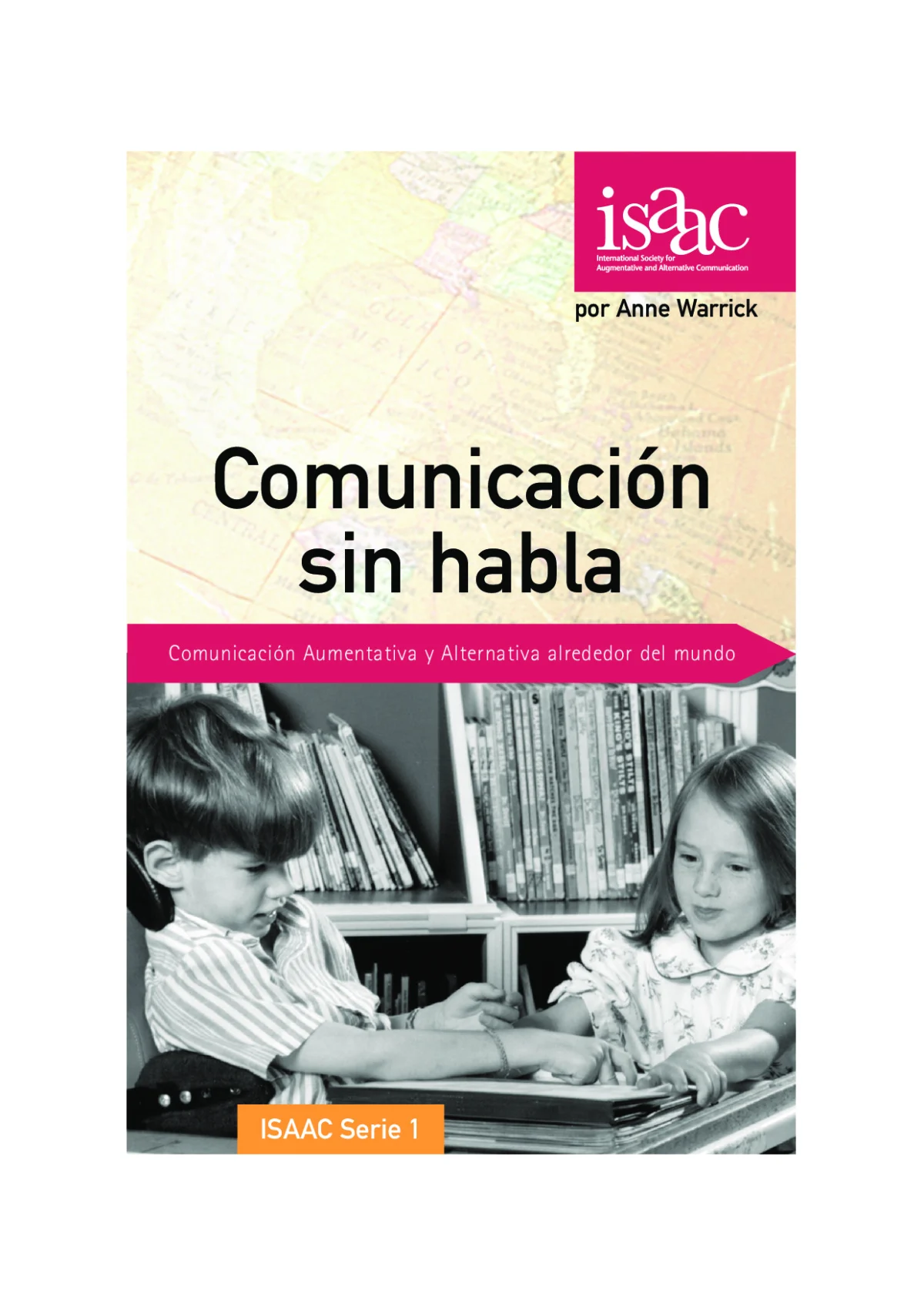
The movement to localize this knowledge is not merely an act of translation; it is an act of equity. When specialized evidence-based practices are inaccessible due to language barriers, the quality of care and education for non-speaking individuals in Spanish-speaking regions is inherently compromised. The efforts led by organizations like the International Society for Augmentative and Alternative Communication (ISAAC) have been instrumental in curating and translating foundational texts that provide the theoretical and practical scaffolding necessary for effective intervention.
A Chronology of Access: From Theory to Practice
The evolution of AAC literature in Spanish can be mapped through several key phases:
- 1980s–1990s: The Formative Years. During this period, AAC was largely an emerging field. Most practitioners in the Spanish-speaking world relied on limited, often outdated, localized pamphlets or imported English research papers, which were frequently inaccessible to families.
- 2000–2015: The Institutional Push. Major international bodies began standardizing AAC training. Organizations like ISAAC intensified efforts to establish chapters in Spanish-speaking countries, facilitating workshops and the first wave of structured, translated manuals.
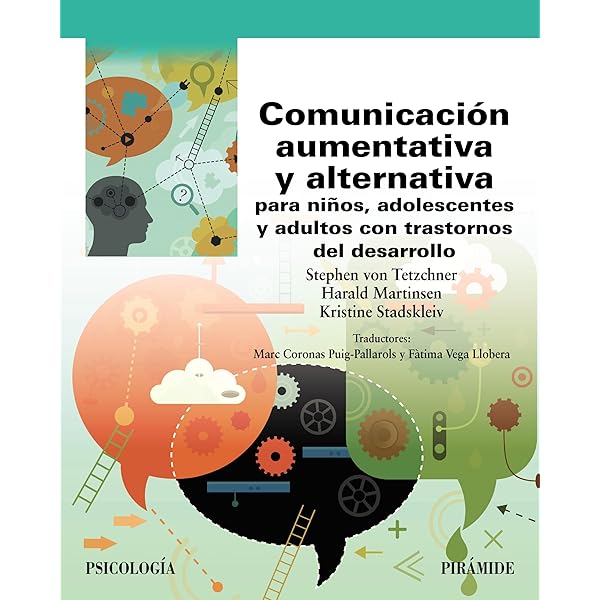
- 2016–Present: The Era of Comprehensive Integration. Recent years have seen the publication of landmark academic texts that offer a holistic view of the field. The release of works such as Augmentative and Alternative Communication for Children, Adolescents and Adults with Developmental Disorders marks a shift toward comprehensive, evidence-based practice manuals that cover the entire lifespan of the individual.
Analyzing the Impact of Key Foundational Texts
The recent availability of Stephen von Tetzchner, Harald Martinsen, and Kristine Stadskleiv’s seminal work represents a significant advancement in the field. This publication serves as a comprehensive reference guide, integrating theory with practical application in areas of assessment, intervention, and longitudinal language development.
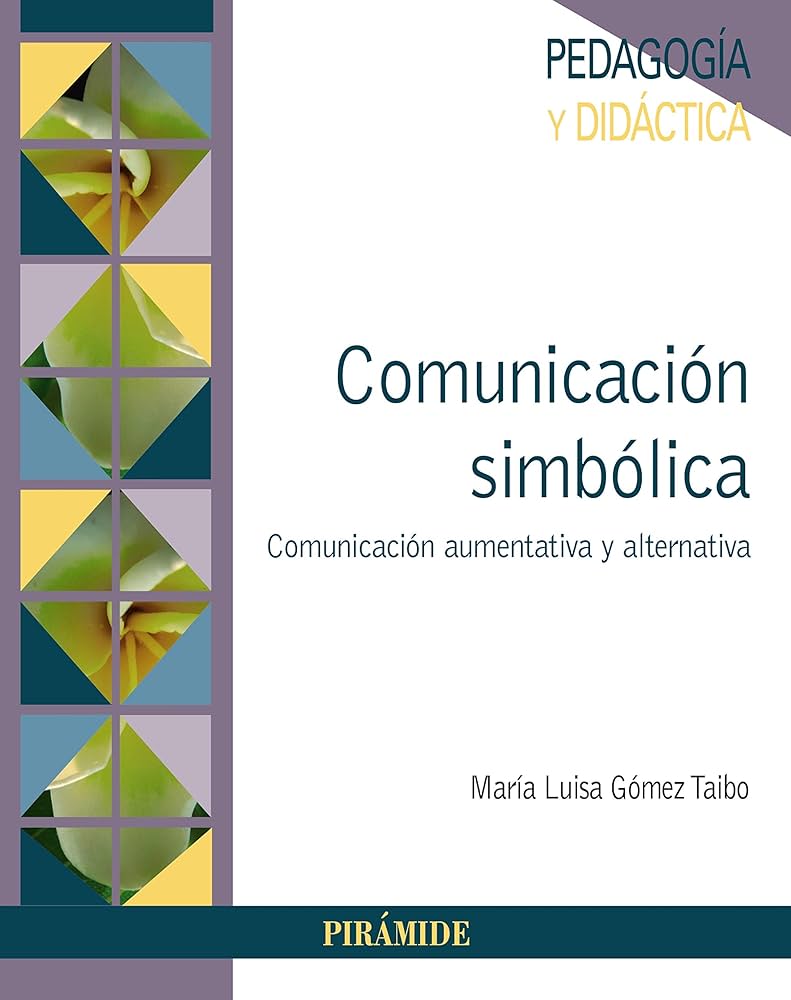
From an analytical standpoint, the implications of such literature are twofold. First, it provides a standardized lexicon for practitioners. In clinical and educational settings, the lack of a shared, accurate terminology often leads to fragmented care. By establishing a unified, evidence-based vocabulary, these texts enable better collaboration between speech-language pathologists, occupational therapists, and special education teachers. Second, it shifts the focus from purely technical interventions to developmental and psychosocial models of communication, ensuring that the individual with CCN is treated as an active participant in their own communication journey rather than a passive recipient of technology.
The Role of Stakeholders: Families and Professionals
The professional consensus among leading organizations is that the democratization of AAC knowledge is a fundamental component of the right to communicate. Statements from various regional educational departments indicate a growing trend toward integrating these resources into public school curricula for special education.
"The expansion of Spanish-language resources is not just about translating words; it is about localizing the approach to communication," notes a representative from an international communication advocacy group. "When a family in a rural setting can access the same evidence-based strategies as a clinician in a metropolitan hub, the systemic gap in equity begins to narrow."

For families, these books serve as a bridge to understanding their loved one’s potential. The transition from viewing AAC as a "last resort" to viewing it as a primary, developmental necessity is largely driven by the literature that educates parents on the long-term cognitive and social benefits of early intervention.
Statistical Trends in AAC Adoption
While precise global statistics on AAC adoption remain difficult to aggregate due to varying reporting standards across countries, regional reports from the Latin American Association for AAC (ALAAC) suggest a 20% increase in the use of AAC-related educational materials over the last five years. This correlates with the increased availability of Spanish-language digital and print resources.
Furthermore, digital accessibility has played a major role in this shift. With the advent of digital repositories, the cost of accessing foundational knowledge has dropped significantly. Online forums and academic portals now host a variety of guides, helping to standardize practice even in regions with limited access to specialized university training programs.
Broader Implications and Future Directions
The integration of AAC into the broader educational discourse signifies a shift toward a more inclusive society. As we reflect on International Book Day, the message is clear: literacy and communication are inseparable. When individuals with complex communication needs are provided with the tools to express themselves, they are better positioned to participate in the democratic process, education, and the workforce.
However, challenges remain. The next phase for the AAC community involves:
- Contextual Adaptation: Ensuring that translations are not only linguistically accurate but also culturally adapted to the social nuances of different Spanish-speaking regions.
- Sustainability of Training: Moving beyond one-off workshops to sustainable, long-term training programs for educators and healthcare workers.
- Policy Advocacy: Working with national governments to mandate the inclusion of AAC training in speech-language pathology and education degrees.
Conclusion: A Path Forward
The focus on accessible, high-quality literature is a necessary pillar for the future of AAC. By continuing to bridge the gap between global evidence-based research and the Spanish-speaking community, practitioners are effectively building a more inclusive future. As these resources become more widely available, the collective ability of professionals, families, and society at large to support individuals with complex communication needs will continue to improve.
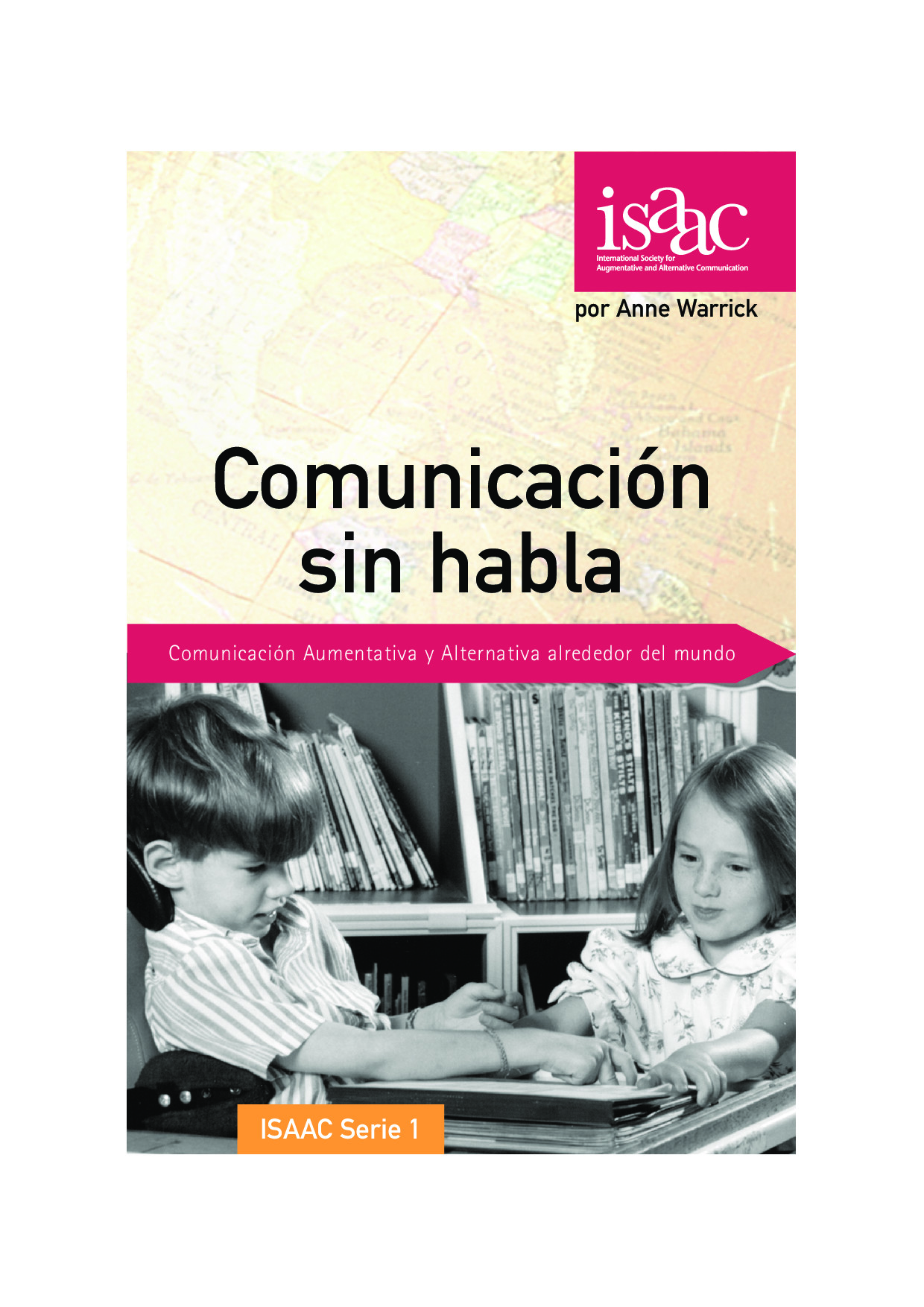
The commitment to sharing these books and resources, as highlighted by leaders in the field, serves as a reminder that the path to true inclusion is paved with the knowledge we share and the accessibility we provide. As the community moves further into the year, the emphasis will remain on ensuring that these tools reach not only the professionals in urban centers but also the families in the most remote areas, ensuring that communication remains a universal right, regardless of language or geographic location.