The Significance of International Book Day in Specialized Fields
International Book Day, established by UNESCO in 1995, commemorates the legacy of authors such as Miguel de Cervantes and William Shakespeare. Beyond its cultural roots, the day is utilized by professional organizations to promote literacy, intellectual property rights, and the equitable distribution of knowledge. For practitioners in the AAC field—a multidisciplinary domain involving speech-language pathologists, occupational therapists, educators, and family caregivers—the day underscores the necessity of bridging the "language gap" in clinical literature.
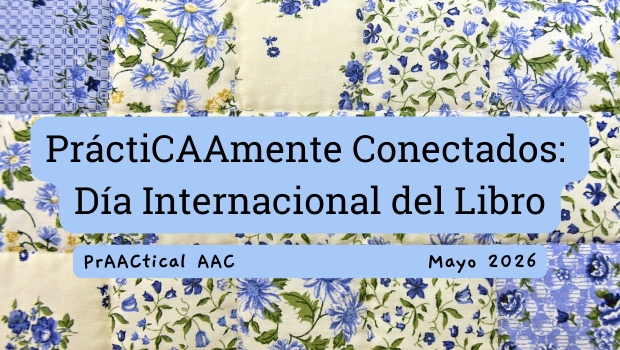
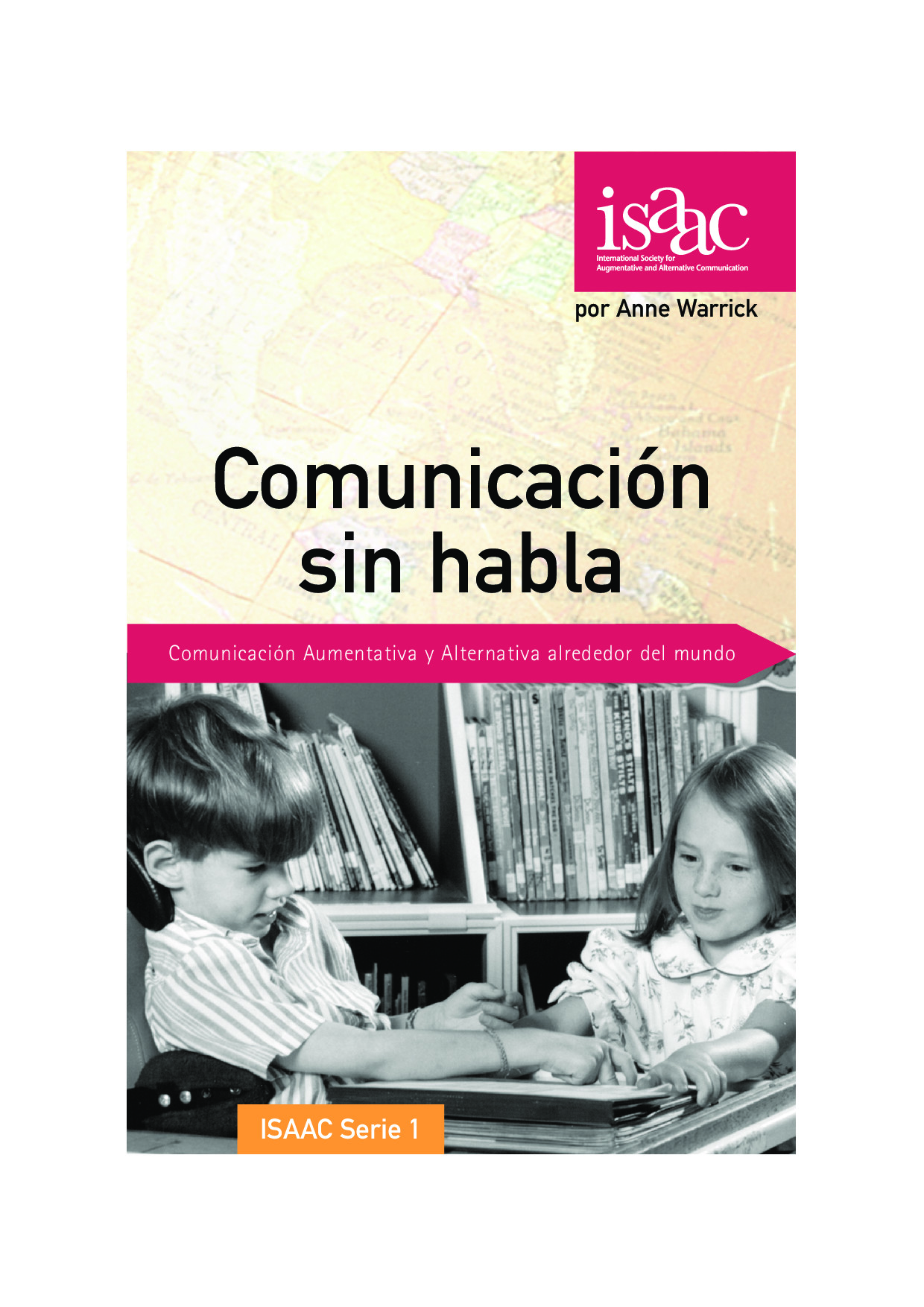
Historically, the majority of foundational texts in AAC were published in English, creating a barrier for practitioners in Latin America and Spain. The recent push to translate these core texts represents a significant shift toward democratizing high-quality intervention strategies, ensuring that therapeutic practices are not only evidence-based but also culturally and linguistically adapted to the needs of the Spanish-speaking population.
Chronology of AAC Resource Development
The evolution of AAC literature in Spanish has been a gradual process, accelerating significantly over the last decade. A brief timeline illustrates this progression:
- 1983: The International Society for Augmentative and Alternative Communication (ISAAC) is founded, setting the stage for global collaboration.
- 1990s–2000s: Initial efforts focus on basic awareness and the introduction of primary AAC devices. Literature remains largely fragmented and localized.
- 2010s: Increased institutional support leads to the formal translation of core academic texts. Regional conferences in Spain and Latin America highlight the "knowledge deficit" regarding evidence-based practice.
- 2020–2025: A surge in digital publishing and collaborative translation projects, supported by organizations like ISAAC and academic presses, leads to the release of comprehensive textbooks in Spanish.
- May 2026: Recognition of the impact of these resources follows the International Book Day, with experts emphasizing the integration of these materials into university curricula and clinical training.
Evidence-Based Foundations: A New Standard
Central to the current discussion is the seminal work, Augmentative and Alternative Communication for Children, Adolescents and Adults with Developmental Disorders, authored by Stephen von Tetzchner, Harald Martinsen, and Kristine Stadskleiv. This text has been identified by industry leaders as a cornerstone for modern practice.
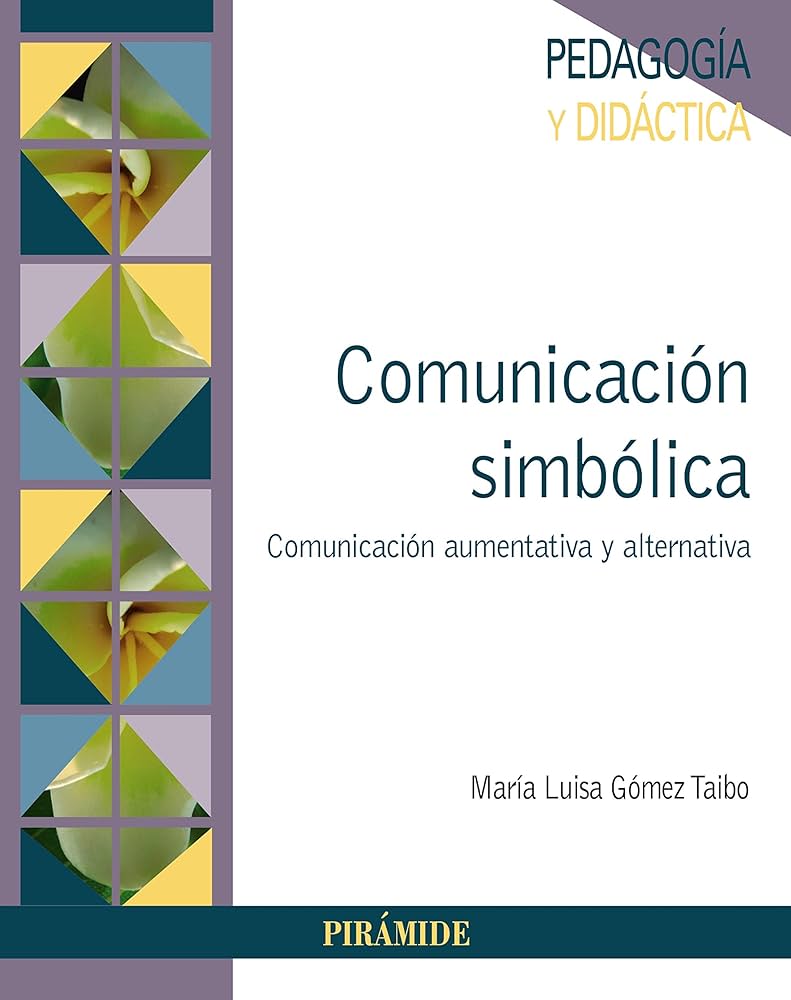
The book provides a rigorous framework for practitioners, covering essential topics such as:
- Theoretical Foundations: Understanding the intersection of linguistics, psychology, and assistive technology.
- Clinical Assessment: Standardized methods for evaluating communication needs, moving beyond subjective observation to data-driven assessments.
- Intervention Strategies: Evidence-based methodologies for teaching AAC systems, ranging from low-tech communication boards to high-tech speech-generating devices.
- Language Development: Longitudinal approaches to fostering language acquisition in individuals with complex communication needs.
The inclusion of this specific title in Spanish-language catalogs marks a shift away from anecdotal practice toward a model grounded in peer-reviewed science.
Supporting Data: The Global Need for AAC
The demand for these resources is driven by demographic and clinical data regarding developmental disorders. According to the World Health Organization (WHO), developmental disabilities—including autism spectrum disorder, cerebral palsy, and intellectual disabilities—affect a significant portion of the global population. In the context of AAC, the data is compelling:

- Prevalence: It is estimated that approximately 1.3% to 2.5% of the general population could benefit from some form of AAC.
- Access Disparity: Research indicates that while North American and Northern European countries have high levels of AAC resource saturation, Spanish-speaking regions have historically reported a 40% to 60% gap in accessible, translated clinical literature.
- Impact of Intervention: Studies show that early and consistent access to AAC increases the probability of developing functional communication by 75% compared to individuals who receive no intervention or late-stage support.
Perspectives from the Field
Professional bodies, including local chapters of ISAAC, have issued statements highlighting the importance of this literary expansion. Representatives from the community suggest that the primary challenge has not been a lack of interest, but rather the prohibitive cost and lack of translation for highly technical manuals.
"The translation of these works is not merely a linguistic convenience; it is a structural necessity," noted a leading researcher in the field. "When a speech-language pathologist in a remote region of Latin America can read the same evidence-based findings as their peer in Scandinavia, the standard of care for the patient rises instantly. We are moving toward a global standard of communication rights."
Broader Implications for Inclusion and Education
The availability of these resources has profound implications for the educational sector. Inclusive education, which is increasingly mandated by international treaties, requires that classroom teachers understand how to support students who use AAC. By providing educators with literature that outlines practical strategies for the classroom, the educational environment becomes more accessible.
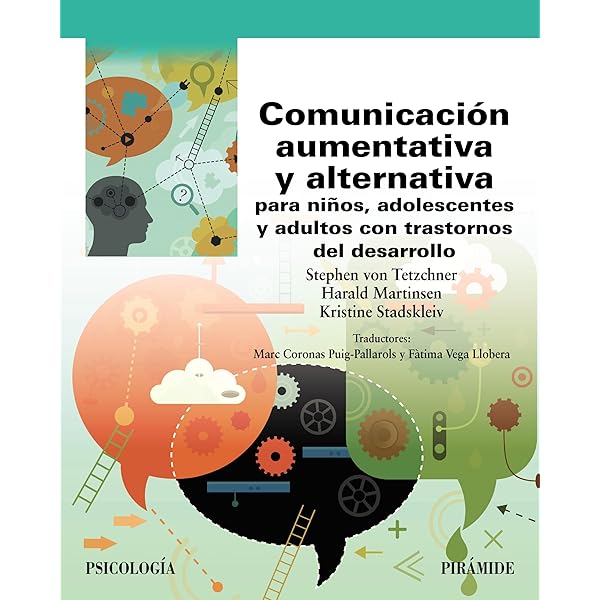
Furthermore, the "professionalization" of the field through access to academic texts helps combat misinformation. In many areas, parents and caregivers have historically relied on unverified methods. By placing evidence-based literature into the hands of these stakeholders, the community fosters a culture of informed advocacy. Families are now better equipped to participate in the Individualized Education Program (IEP) process, ensuring that the AAC systems chosen for their children are supported by current, verified research.
The Future of AAC Knowledge Sharing
As the community looks beyond the celebrations of May, the focus shifts toward sustainability. Digital repositories, open-access journals, and collaborative translation initiatives remain the priority. The transition from physical books to digital, searchable databases is expected to further lower the barrier to entry for practitioners in developing regions.
The intersection of technology and linguistics is creating a "virtuous cycle." As more practitioners adopt evidence-based practices, they generate more clinical data, which in turn fuels the production of new literature, further enriching the field. This evolution ensures that the progress made during International Book Day is not a singular event, but a sustainable effort toward universal communication accessibility.
Ultimately, the goal remains clear: to ensure that every individual, regardless of their developmental disorder or geographical location, has the tools to communicate their thoughts, needs, and desires. Through the continued translation and dissemination of high-quality AAC literature, the global professional community is moving closer to achieving that fundamental human right. As stakeholders continue to explore these resources, the emphasis on informed, inclusive, and contextually relevant practices will remain the hallmark of the profession, ensuring that no individual is left behind due to a lack of available knowledge or accessible materials.