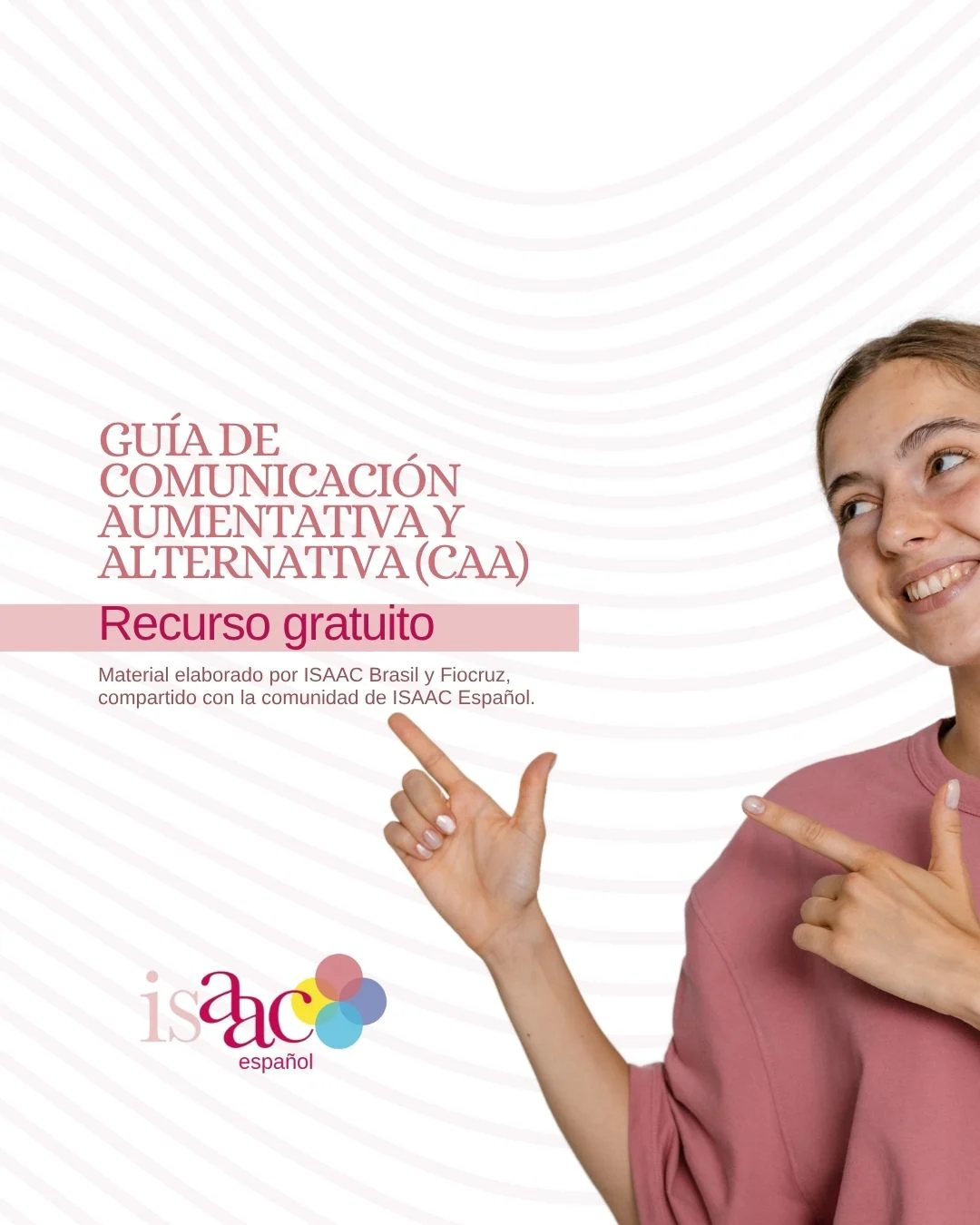
The Foundation of Collaborative Advocacy
By translating the original Portuguese-language manual into Spanish, the collaborative team has bridged a critical gap. The project was not merely a linguistic translation; it involved a cultural and clinical adaptation to ensure that the terminology and the social context of the guide resonated with the specific realities of users across Spain and Latin America. Fiocruz, leveraging its expertise in public health policy and inclusive social development, provided the scientific grounding, while ISAAC Brazil contributed the technical implementation strategies necessary for effective daily communication.
Chronology of Development and Implementation
The development of the guide followed a rigorous timeline aimed at ensuring both accuracy and accessibility.
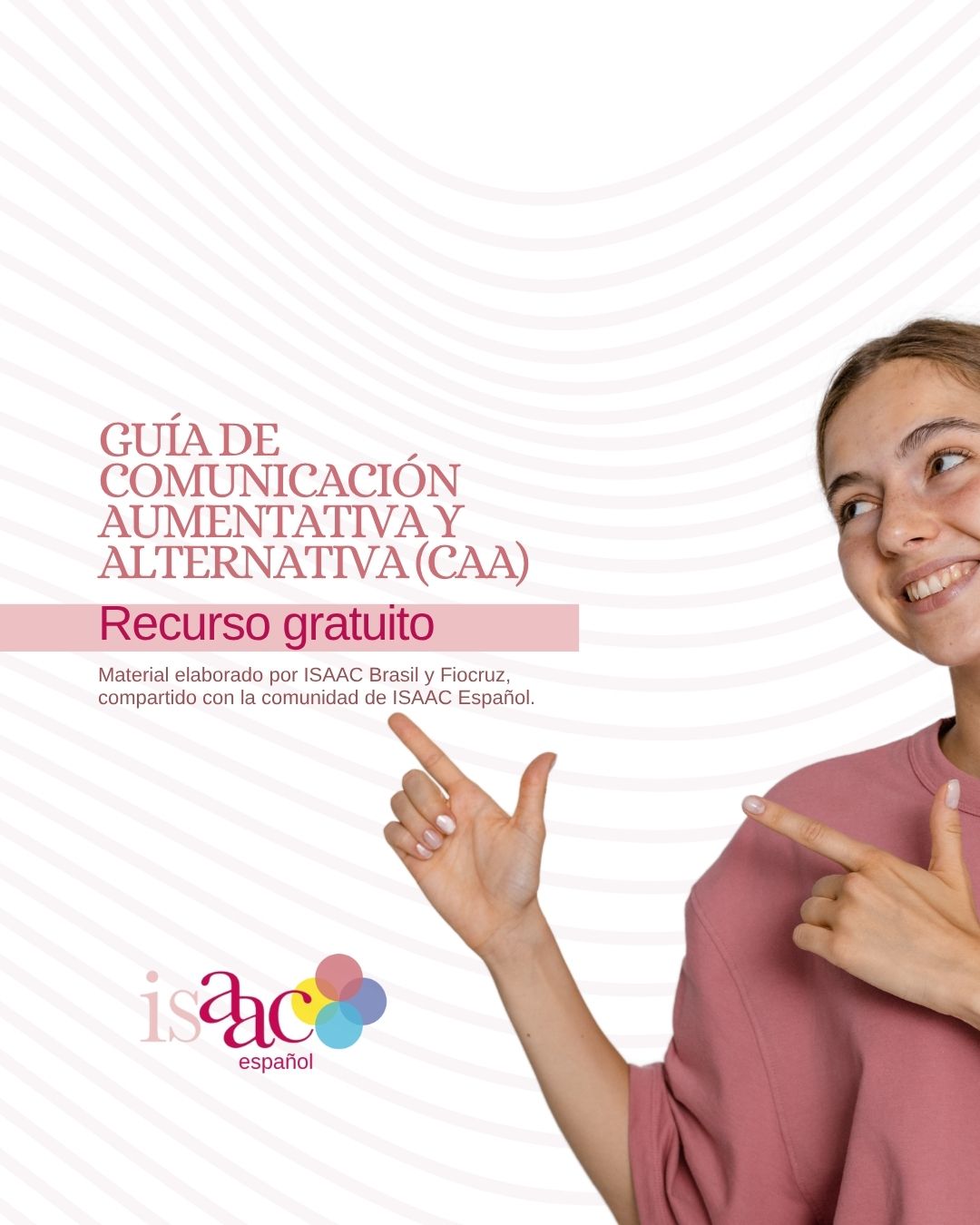
- Q3 2025: Initial conceptualization of a bilingual repository for AAC foundational knowledge by ISAAC Brazil.
- Q4 2025: Partnership established with Fiocruz to ensure the document met clinical and public health standards for inclusivity.
- January 2026: Finalization of the Portuguese manuscript, focusing on universal design principles and the inclusion of real-world user narratives.
- February 2026: Translation phase, involving linguistic experts and speech-language pathologists specializing in bilingual AAC intervention.
- March 2026: Peer review and stakeholder feedback sessions conducted with disability advocacy groups to ensure the guide’s relevance for families and educators.
- April 2026: Formal digital release and launch across social media platforms, including integrated QR-based distribution channels.
Core Principles of the AAC Guide
The guide is structured to serve three distinct audiences: the individuals who use AAC, their family members, and the professional service providers—such as speech-language pathologists, special education teachers, and occupational therapists—who facilitate their communication.
Central to the document is the human rights-based approach to communication. The guide emphasizes that communication is a fundamental human right, not a clinical privilege. It outlines the legal framework surrounding the right to communicate, citing international protocols that mandate access to assistive technology for persons with disabilities.
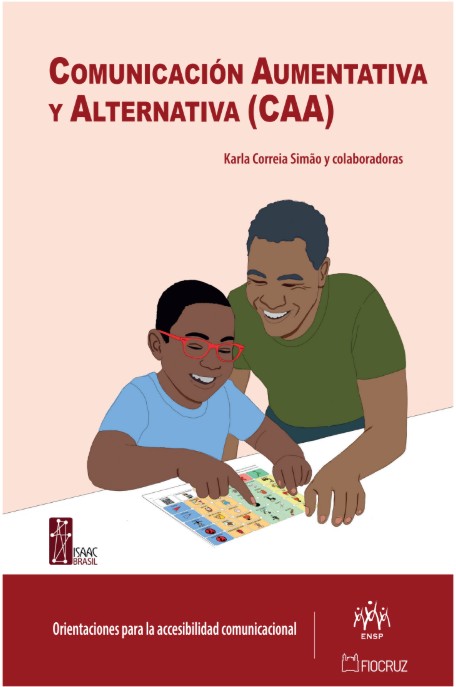
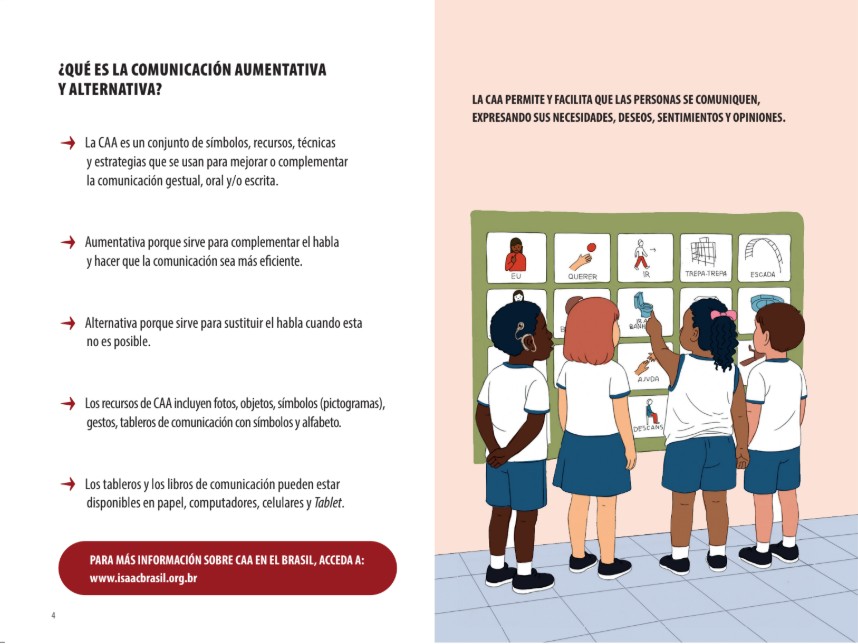
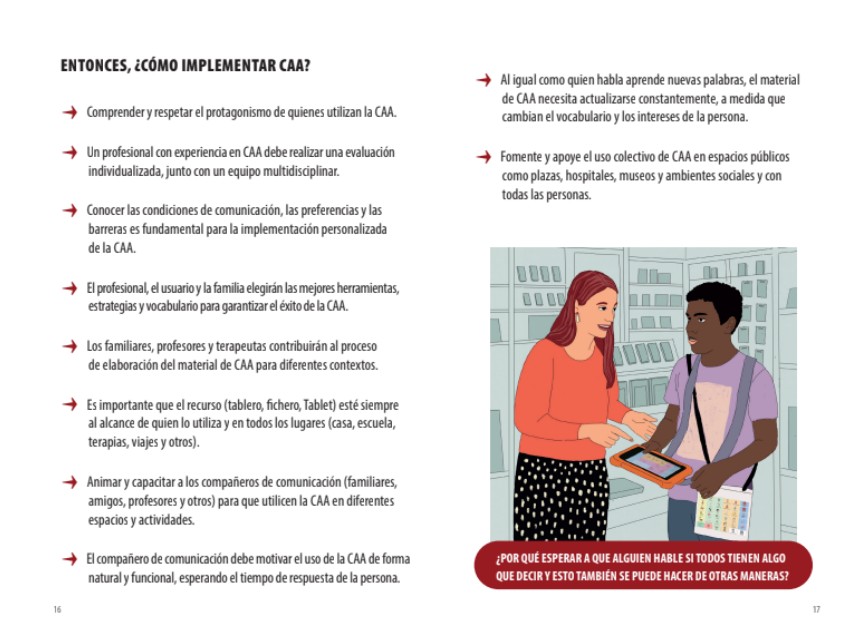
Furthermore, the document demystifies the technical aspects of AAC. It explains the spectrum of tools available, ranging from low-tech solutions, such as communication boards and picture exchange systems, to high-tech speech-generating devices (SGDs) and eye-tracking interfaces. A notable feature of the guide is its emphasis on "Communication Partner Training." Research has consistently shown that the success of an AAC user is inextricably linked to the fluency and support of their social partners. By training parents and teachers to model language on AAC devices, the guide aims to move beyond simple "requesting" behavior toward authentic, spontaneous communication.
Data-Driven Need for Accessible Resources
The necessity for this guide is underscored by global data regarding communication disorders. According to the World Health Organization, over one billion people worldwide live with some form of disability, and a significant portion of this population experiences barriers to effective communication. In many Spanish-speaking regions, specialized training in AAC is not yet a mandatory component of undergraduate speech-language pathology curricula.

The reliance on imported, English-language materials has historically limited the efficacy of AAC interventions in the region. By providing a localized, free resource, ISAAC and Fiocruz are addressing the "implementation gap"—the phenomenon where technology exists, but the knowledge required to utilize that technology effectively is absent. The decision to make the guide available via digital download and QR code reflects an understanding of modern information dissemination, ensuring that even remote or underserved clinics can access state-of-the-art information.
Perspectives from the Field
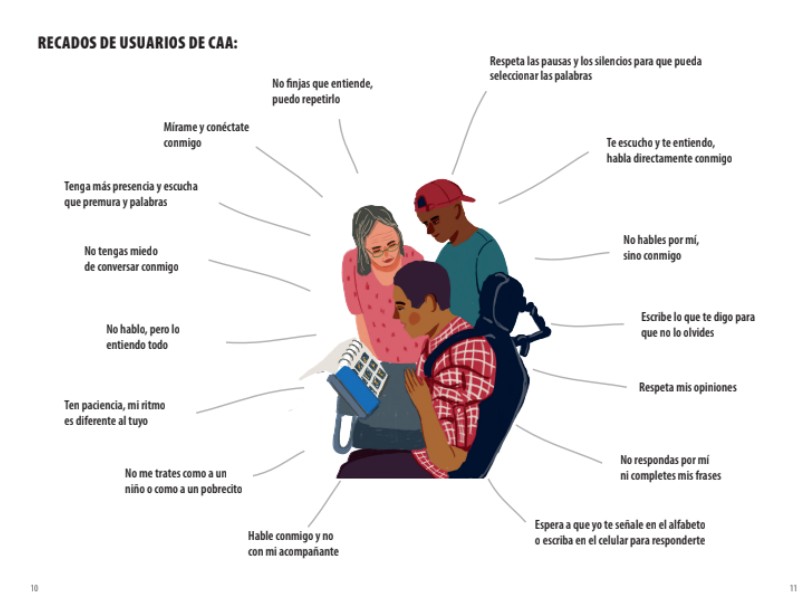
While the guide is a static document, its launch has triggered a dynamic response from the professional community. Early reactions from the ISAAC Spanish-speaking chapter indicate a high level of enthusiasm, particularly regarding the use of real-world user illustrations. By featuring actual AAC users rather than generic stock photography, the guide fosters a sense of dignity and representation, which is critical in disability advocacy.
"The inclusion of real users is a game changer," noted one independent consultant specializing in pediatric AAC. "It transforms the guide from a cold, clinical manual into a relatable roadmap for families who are just beginning their journey. Seeing someone who looks like your child using these tools provides a level of reassurance that abstract diagrams cannot replicate."
Analytical Implications: Scaling Impact
The long-term implications of this initiative are substantial. From a public policy perspective, the standardization of information helps in creating a consistent baseline for service delivery. When practitioners across different countries share a common vocabulary and a set of shared principles, it becomes easier to conduct multi-center research, advocate for standardized insurance coverage for AAC devices, and influence national health policies.
Moreover, the digital nature of the guide allows for iterative updates. As new technological advancements in artificial intelligence and machine learning continue to reshape the AAC landscape, the collaborative team behind this project is positioned to update the guide periodically. This ensures that the resource does not become obsolete, maintaining its status as a living document of best practices.
The Path Forward
The launch of the guide is not the end of the project, but rather the beginning of an advocacy cycle. Plans are reportedly underway to host a series of webinars and workshops that will walk users through the chapters of the guide. By providing a platform for practitioners to discuss the implementation strategies outlined in the text, ISAAC and Fiocruz hope to build a regional network of expertise.
For families, the guide offers a structured way to advocate for their rights within school districts and healthcare systems. Armed with the knowledge contained in the manual, caregivers are better equipped to challenge systemic barriers that might otherwise delay the provision of necessary communication devices.
Conclusion: A Step Toward Universal Participation
The effort to provide a comprehensive, free, and linguistically appropriate guide to AAC is a vital step toward a more inclusive society. By empowering users, families, and professionals with the necessary tools to facilitate communication, the initiative effectively challenges the marginalization of individuals with speech-related disabilities.

As digital literacy continues to grow in the Spanish-speaking world, the accessibility of this guide—provided via direct download and mobile-friendly QR codes—is likely to reach thousands of households and clinical settings in its first year. The collaboration between ISAAC and Fiocruz serves as a model for how international professional bodies and research institutions can effectively leverage their combined resources to create tangible, real-world impact for vulnerable populations. The ultimate success of the guide will be measured not just in the number of downloads, but in the increased participation and agency of the thousands of AAC users who now have a clearer pathway to being heard.