Context and Historical Significance of the Policy
The "Zero Tolerance" framework within organizational governance is not unique to the NAD; it gained significant traction in the late 20th century across educational and nonprofit sectors as a mechanism to demonstrate a firm stance against bullying, sexual harassment, and discriminatory behavior. Historically, such policies were designed to establish clear, non-negotiable boundaries for conduct. However, in recent years, sociological research and human rights advocacy have highlighted the unintended consequences of such rigid structures. Critics, particularly those representing marginalized communities, have long argued that "zero tolerance" frameworks often favor punitive measures over restorative ones, frequently leading to disproportionate disciplinary outcomes that fail to account for systemic biases or nuanced situational contexts.
For the NAD, a 146-year-old organization dedicated to advocating for the linguistic and civil rights of deaf and hard-of-hearing citizens, the alignment of its internal policies with its external advocacy work is critical. The current policy has served as a foundational element of the association’s biennial national conferences and organizational meetings for several years. Its primary function has been to ensure that participants in NAD-sanctioned events operate within a space free from "discrimination, harassment, bullying, oppression, abuse, and retaliation."
Timeline of Recent Developments
The discourse leading to the July 10 announcement did not occur in a vacuum. Over the preceding months, members of the deaf community—including activists, legal advocates, and grassroots organizers—had increasingly utilized digital platforms and formal communication channels to express concerns. The feedback focused on the psychological impact of the term "Zero Tolerance," which many stakeholders associate with the school-to-prison pipeline and other systemic inequities.
- Pre-2026: The Zero Tolerance Policy is established and integrated into NAD biennial conferences to protect delegates and staff from harassment.
- Early 2026: Informal community dialogue begins to coalesce around the need for more inclusive and restorative disciplinary language within the NAD.
- June 2026: Discussions regarding the policy’s impact on community belonging reach the Board of Directors, prompting an internal review of the policy’s historical efficacy versus its contemporary perception.
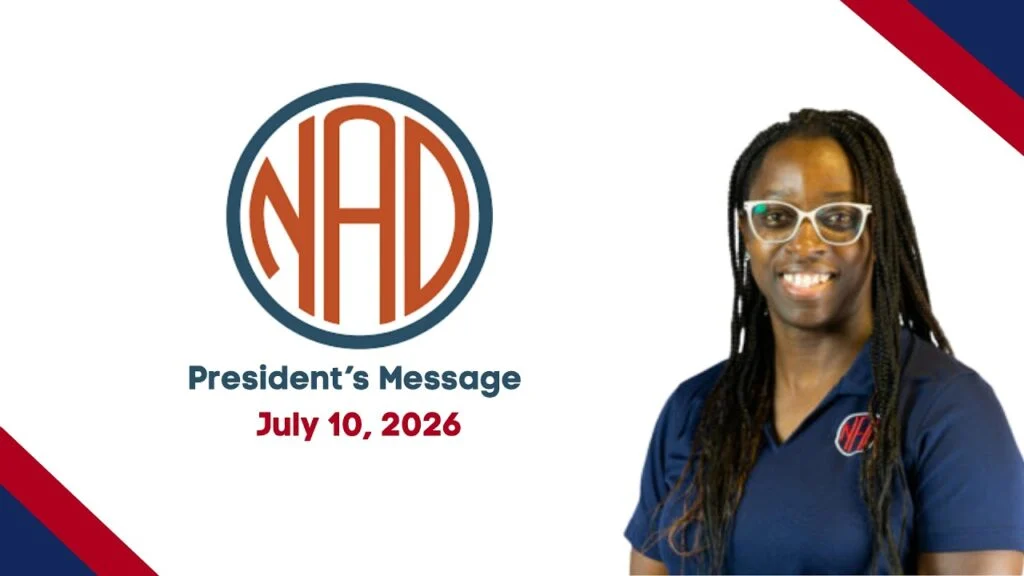
- July 10, 2026: President Stephanie Hakulin releases a formal video message and written statement confirming the Board’s commitment to a comprehensive review of the policy’s title and implementation procedures.
Analyzing the Shift Toward Restorative Justice
The move by the NAD to reconsider its policy reflects a broader, industry-wide shift in the nonprofit sector toward "restorative" or "accountability-based" models. Data from the National Council of Nonprofits suggests that organizations focusing on inclusivity are increasingly moving away from punitive, adversarial frameworks in favor of practices that prioritize community mediation and long-term behavioral change.
"Good intentions do not replace the need to understand how the language is interpreted and experienced by our community," Hakulin noted in her statement. This acknowledgment highlights a pivotal moment in organizational management: the recognition that an institution’s internal culture must mirror the civil rights values it espouses to its constituents. By evaluating whether the policy’s title and implementation should reflect values like "accountability" and "inclusion" rather than "zero tolerance," the NAD is positioning itself to lead by example.
Operational Implications and Interim Procedures
While the review process is underway, the NAD has clarified that there will be no vacuum in protective measures. The existing Zero Tolerance Policy remains in full force. This serves a dual purpose: it provides legal continuity and ensures that any incidents of harassment or misconduct reported during the interim period are processed through established protocols.
The Board of Directors has emphasized that the review process will be meticulous. It will involve an evaluation of the policy’s "title, language, implementation, and related procedures." Crucially, the Board has stated that no decisions regarding a name change or structural overhaul have been finalized. Instead, the process will be guided by community input, legal counsel, and an assessment of best practices in organizational governance. This cautious, data-driven approach is designed to prevent a rush to judgment while demonstrating responsiveness to the concerns of the association’s base.
Broader Impact on Advocacy Organizations
The implications of the NAD’s decision extend beyond the organization itself. Many similar advocacy groups—including those serving the LGBTQ+ community, racial justice organizations, and disability rights advocates—are currently auditing their own bylaws to ensure they do not replicate harmful, exclusionary language. The NAD’s pivot provides a potential blueprint for other organizations navigating the tension between maintaining safety and fostering an environment of true inclusivity.
Experts in organizational development note that the language an organization uses to describe its own disciplinary processes serves as a signal of its culture. By transitioning from a terminology rooted in "zero tolerance" to one potentially rooted in "accountability," an organization can signal a shift from a reactive posture to a proactive, supportive posture. For a community as tightly knit as the deaf and hard-of-hearing population, this shift is not merely cosmetic; it is seen by many as a vital step in maintaining the trust between the leadership and the membership.
Looking Ahead: The Role of Community Feedback
The NAD has committed to transparency throughout this review process. President Hakulin’s announcement serves as an invitation for continued dialogue, signaling that the Board recognizes the power of an engaged membership. The commitment to provide regular updates suggests that the organization is treating this not as a public relations hurdle, but as a genuine governance project.
For the participants of the upcoming biennial events, the message is clear: the NAD remains committed to a safe, respectful, and inclusive environment, but the definition of that environment is currently being refined through the lens of modern social awareness. Whether the result of this review leads to a simple change in terminology or a wholesale restructuring of how the association handles conflict resolution, the process itself represents a significant evolution for the NAD.
As the organization continues to grow, its ability to integrate the diverse perspectives of its members—and to acknowledge when its own policies may be at odds with its mission—will be a definitive marker of its future success. By choosing to address the concerns surrounding the Zero Tolerance Policy head-on, the NAD is attempting to bridge the gap between institutional authority and community values, striving to ensure that the promise of "Together, we NAD rise" is fully realized in both practice and policy.
The Board’s next steps, according to official reports, will involve gathering quantitative and qualitative data from members, likely through surveys and community forums, to determine the most appropriate terminology to replace or augment the existing policy. While the timeline for the conclusion of this review has not been set, the explicit promise to communicate all changes underscores a new level of accountability that the current Board hopes will strengthen the organization for years to come.