A Chronology of Early Intervention and Development
Amalia’s story began with a medical diagnosis that required immediate clinical action. Sensorineural hearing loss (SNHL), which occurs when there is damage to the inner ear or the nerve pathways from the inner ear to the brain, is the most common type of permanent hearing loss in children. According to the Centers for Disease Control and Prevention (CDC), early hearing detection and intervention (EHDI) programs are critical, as the "critical period" for language acquisition in humans is generally understood to occur within the first three years of life.
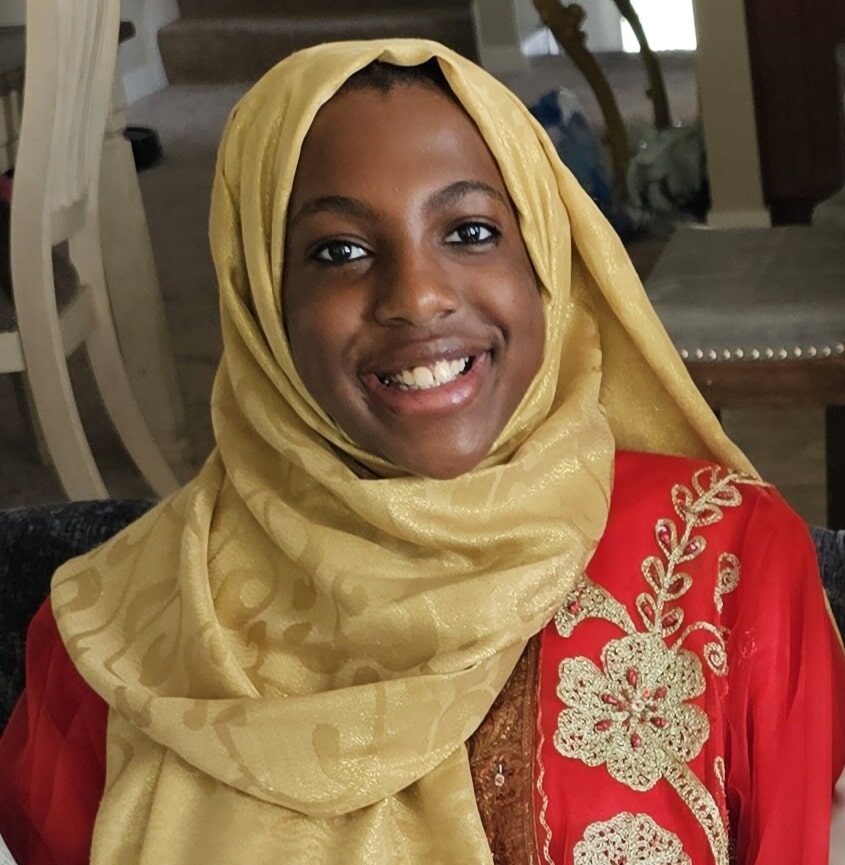
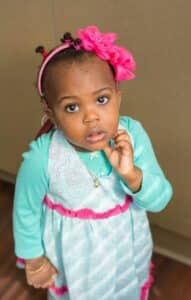
At 10 months of age, Amalia received her cochlear implants. Unlike traditional hearing aids that amplify sound, cochlear implants bypass damaged portions of the ear and directly stimulate the auditory nerve. The subsequent transition into the Listen and Talk Birth to Three program marked the beginning of an intensive developmental phase. This program focuses on coaching parents and caregivers to facilitate language development in natural, everyday settings. By participating in the Blended Classroom model—which combines children with hearing loss and typically hearing peers—Amalia was immersed in a language-rich environment that mirrored the realities of general education settings.
The Science and Data Behind Auditory-Verbal Success
The approach championed by institutions like Listen and Talk is rooted in the "listening and spoken language" (LSL) philosophy. Research in the field of audiology consistently demonstrates that children with cochlear implants who receive intensive, early intervention are significantly more likely to achieve speech, language, and literacy milestones comparable to their hearing peers.
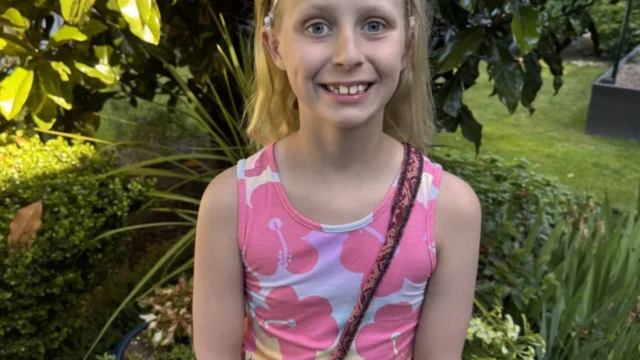
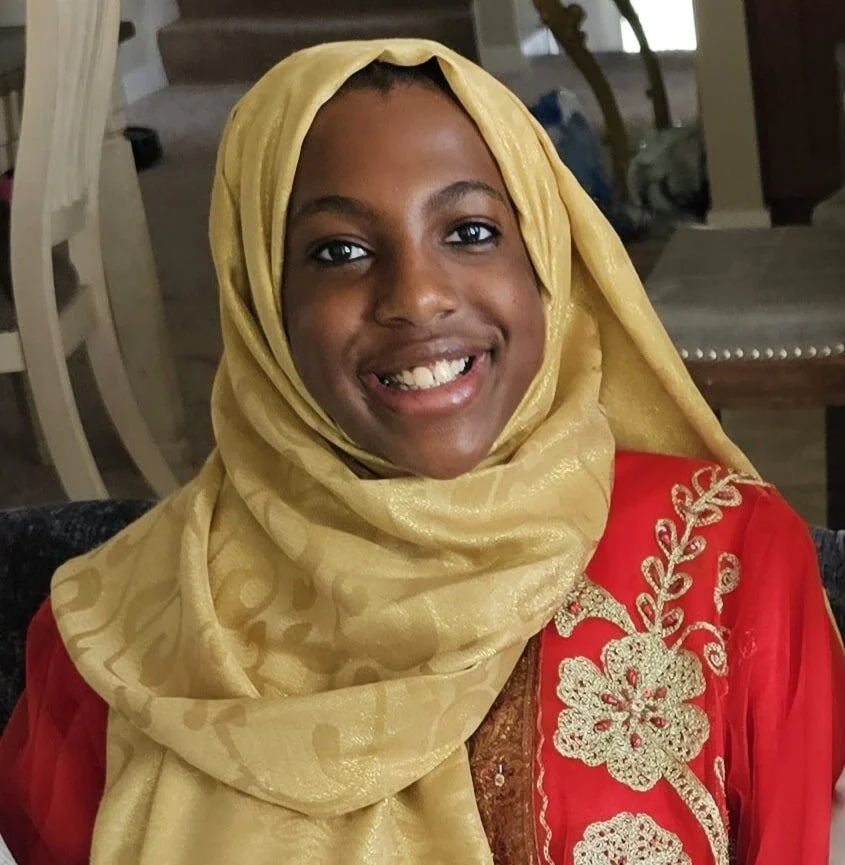
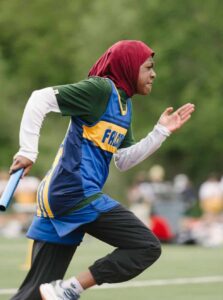
Data from the Alexander Graham Bell Association for the Deaf and Hard of Hearing indicates that early intervention can reduce the "language gap" between children with hearing loss and their peers. When intervention occurs before the age of six months, children often develop language skills that allow them to transition seamlessly into mainstream educational environments. Amalia’s progression from a toddler needing specialized support to a teenager participating in competitive swimming, track and field, and basketball is a testament to the long-term efficacy of this model.
The neurological plasticity of the infant brain is the primary driver of this success. By providing consistent auditory input through cochlear implants during the first year of life, the brain’s auditory cortex is stimulated, preventing the "atrophy" of speech-processing centers that might otherwise occur in the absence of sound.
Educational Integration and Social Development
For many children with hearing loss, the transition to a general education classroom represents the ultimate goal of early intervention. Amalia’s experience in the classroom illustrates the importance of academic and social confidence. Educators often emphasize that children who are fluent in spoken language and confident in their hearing technology are better equipped to navigate the complexities of social peer groups.
Beyond academic performance, extracurricular activities—such as those pursued by Amalia—play a vital role in psychosocial development. Engagement in sports like basketball and track and field fosters physical coordination, teamwork, and resilience. For a child with a disability, these environments provide a platform to demonstrate competence and form bonds based on shared interests rather than medical history. This integration is essential for the normalization of hearing technology and the mitigation of the stigma that has historically surrounded deafness.
Broader Implications for Healthcare and Policy
The success of individual students like Amalia raises critical questions about policy and access. While early intervention is proven to be cost-effective—reducing the long-term need for special education services and increasing the likelihood of independent adult life—access to these programs is not always equitable.
Public policy initiatives, such as mandated newborn hearing screenings, have been fundamental in identifying children like Amalia early enough to intervene. However, the ongoing support required to sustain this progress—including speech therapy, audiological monitoring, and classroom modifications—requires consistent funding. The "Alumni Family Giving Campaign" at Listen and Talk is part of a larger, non-profit-led movement to ensure that these services remain available to families regardless of their socioeconomic status.
The financial burden of pediatric hearing loss is substantial, but the cost of inaction is higher. From an economic perspective, early intervention provides a high return on investment. A child who gains the skills to communicate effectively in a mainstream classroom is statistically more likely to pursue higher education and enter the workforce, contributing to the economy and reducing reliance on public social support systems.
Official Perspectives and Institutional Commitment
The mission statement of organizations like Listen and Talk, which aims to ensure "no child is limited by hearing loss," reflects a shift in modern medicine from a deficit-based model to an enablement-based model. By prioritizing the development of the child’s potential rather than focusing solely on the disability, these programs change the life trajectory of their students.
Reflecting on Amalia’s journey, it is clear that the collaboration between clinical experts, dedicated educators, and supportive families creates a synergistic effect. The family’s proactive decision to pursue the LSL approach at a young age provided the foundational skills that allowed Amalia to advocate for herself and participate fully in society.
For the broader medical community, Amalia’s story serves as a reminder that technological intervention (the cochlear implant) is only one piece of the puzzle. The technology must be paired with high-quality, sustained educational support to maximize the potential of the child.
Future Outlook and Sustaining the Mission
As technology continues to evolve, the possibilities for children with hearing loss continue to expand. Improvements in cochlear implant hardware, such as enhanced sound processing and better battery life, will likely make the experience even more seamless for the next generation of students. However, the human element—the therapy, the coaching, and the emotional support provided by family and educators—remains the constant factor in these success stories.
The call to action for the public, through initiatives like the Alumni Family Giving Campaign, is not merely a request for charity. It is a request for the continued viability of a system that has proven its ability to alter human development for the better. The ongoing participation of alumni like Amalia, who continue to engage with their communities and pursue their dreams without limits, serves as the most powerful evidence of the program’s worth.
In summary, the transition from a diagnosis of sensorineural hearing loss to a life of academic and athletic achievement is a multifaceted process. Through the combination of early clinical intervention, consistent educational support, and personal drive, children are successfully bridging the gap between hearing impairment and full societal integration. Amalia Faraji stands as an example of what is possible when society invests in the potential of every child, ensuring that a physical limitation does not become a ceiling for their future accomplishments. As organizations look toward the coming years, the challenge remains to scale these proven models to ensure that every child, regardless of background, has the opportunity to thrive.