Historical Context and Policy Evolution
The “Zero Tolerance” framework has been a staple of administrative governance for the NAD for several biennial cycles. Its primary objective has been to codify a standard of conduct that explicitly prohibits discrimination, harassment, bullying, and systemic abuse. In the context of large-scale organizational gatherings, such as the NAD’s flagship biennial conferences—which regularly attract thousands of attendees—the policy serves as a legal and ethical safeguard.
However, the term “zero tolerance” has faced increasing scrutiny in public policy discourse over the last two decades. Originally popularized in the late 1980s and 1990s within the context of law enforcement and educational discipline, the term has been criticized by civil rights advocates, sociologists, and legal scholars for its tendency to prioritize punitive measures over restorative justice. Research conducted by organizations such as the American Civil Liberties Union (ACLU) has historically suggested that zero-tolerance policies in schools and public institutions often lead to disproportionate disciplinary outcomes, particularly affecting marginalized groups. Within the deaf community, which frequently navigates the intersection of disability rights and systemic exclusion, the language of the policy is now being weighed against the organization’s core values of equity and belonging.
Chronology of Recent Developments
The discourse surrounding this policy shift began to intensify in the months leading up to the mid-2026 legislative and administrative updates. While the policy was previously viewed by the Board as a necessary mechanism for maintaining order and safety, the grassroots response from the membership highlighted a disconnect between the policy’s intent—safety—and its reception—a perception of rigidity.
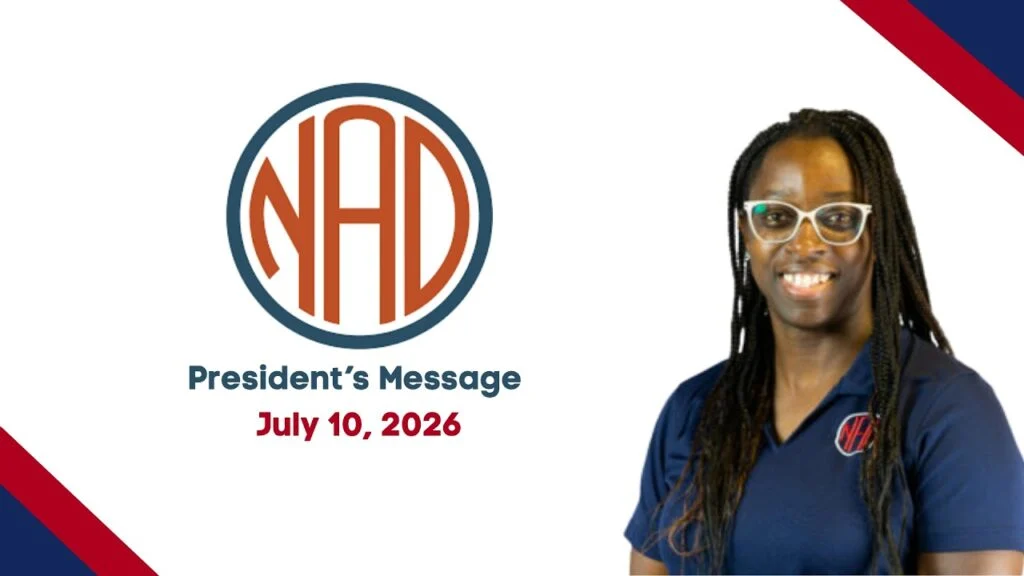
Following the receipt of formal and informal inquiries, the NAD Board of Directors convened in early July 2026 to address the mounting discourse. The resulting announcement by Board President Stephanie Hakulin marks the first official administrative step toward a potential rebranding or total restructuring of the conduct code. As of the July 10 announcement, the Board has not yet drafted specific amendments; instead, they have committed to a period of evaluation that will include community consultation and internal review of legal and ethical compliance.
Data and Policy Implications
The challenge for the NAD lies in balancing safety with inclusivity. According to organizational records, the NAD’s current policy governs conduct across a broad spectrum of activities, including internal meetings, public-facing conferences, and digital forums. The implementation of such a policy typically requires a tiered disciplinary structure, ranging from formal warnings to the expulsion of individuals from organizational events.
From a policy analysis standpoint, the shift toward a more restorative framework—if adopted—would represent a significant departure from traditional administrative norms. Restorative justice models emphasize accountability through reconciliation and dialogue rather than purely punitive expulsion. For a national organization representing a diverse community, this shift could provide a blueprint for how other disability-rights non-profits handle internal conflict. However, experts in organizational governance caution that any transition must maintain the efficacy of the original policy; the organization must ensure that vulnerable individuals remain protected from harassment while simultaneously ensuring that the disciplinary process remains transparent and fair.
Perspectives from Leadership and Membership
In her official statement, President Stephanie Hakulin acknowledged the complexity of the situation. "We recognize that the phrase ‘zero tolerance’ carries significant historical context and has been associated with policies and practices that resulted in disproportionate harm and inequitable outcomes," Hakulin noted. The leadership’s willingness to entertain a change in language suggests an organizational pivot toward a more modern, trauma-informed approach to community safety.
Members of the deaf community have expressed a spectrum of views on social media and through formal advocacy channels. Some advocates argue that the term "zero tolerance" is inherently adversarial and antithetical to the NAD’s mission of fostering a sense of community. Others have emphasized that regardless of the terminology used, the organization must maintain a strong, enforceable mechanism to address harassment. The consensus among many stakeholders is that the title of the policy is a proxy for broader concerns about how the NAD handles internal grievances and whether those processes are sufficiently accessible to all deaf and hard of hearing individuals, regardless of their background or communication preference.
Analytical Outlook: The Path Forward
The NAD’s review process will likely proceed through several distinct phases:
- Community Consultation: The Board is expected to solicit feedback through town halls, surveys, and direct outreach to various interest groups within the organization.
- Comparative Policy Analysis: The Board will likely look toward other non-profits and professional associations that have successfully moved away from zero-tolerance language in favor of "Restorative Conduct" or "Community Standards" policies.
- Legal and Risk Assessment: Before any language is finalized, the organization must ensure that new policies continue to meet state and federal requirements regarding non-discrimination and workplace safety.
During this transition, the existing policy remains in full effect. This decision is critical from a liability perspective, as the NAD must ensure that a "safety gap" does not emerge while the document is under revision. According to the Board, all active reports regarding harassment or misconduct will continue to be processed according to the existing procedures, ensuring that confidentiality and due process are upheld.
Broader Impact on the Deaf Community
The outcome of this review will likely have implications beyond the NAD itself. As the primary advocacy body for the deaf in the United States, the NAD’s policies often serve as a model for state-level associations, deaf schools, and non-profit organizations serving the community. A move toward a policy title that emphasizes “accountability” or “restorative justice” would signal a broader trend within the disability advocacy sector toward prioritizing community cohesion over binary, punitive discipline.
Furthermore, the emphasis on “belonging” in the Board’s statement underscores a modern shift in organizational culture. Organizations that successfully integrate community feedback into their governance models tend to see higher levels of member engagement and trust. If the NAD can successfully bridge the gap between its need for protective safety protocols and the community’s desire for inclusive, non-punitive language, it may strengthen its position as a representative body.
As the Board prepares to evaluate the feedback, the organization remains at a crossroads. The challenge is not merely linguistic but fundamental: how does an organization protect its members from harm without employing the very mechanisms of state-sanctioned, punitive control that have historically disenfranchised them? The resolution of this inquiry will be closely watched by observers, as it reflects the evolving relationship between administrative authority and grassroots advocacy in the digital age.
The Board of Directors has pledged to maintain transparency throughout this process, promising regular updates to the community as the review moves forward. While no timeline has been set for the finalization of a new policy, the commitment to "open and honest communication" remains the primary directive for the organization’s leadership in the coming months. As stated by President Hakulin, the ultimate goal is to ensure that every member of the community feels treated with dignity, fairness, and respect, reinforcing the organization’s ethos: "Together, we NAD rise."