
A Chronology of the May 2024 Incident
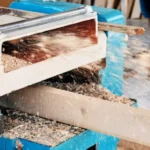
On the day of the incident, the production line at the Metfield facility was experiencing frequent technical disruptions. The wood planer, a machine designed to smooth and size timber for animal bedding, suffered multiple jams during the shift. Under standard operating procedures, these jams require operator intervention.

When the machine jammed again in May 2024, the worker approached the industrial unit to clear the blockage. He opened a steel access door, assuming the machine’s internal components were safe to touch or, at the very least, that the proximity of the door would trigger a cessation of power. However, due to the lack of an interlocking switch, the cutter head blades remained fully energized and in motion. As the worker reached into the housing to dislodge the wood, his hand made contact with the high-speed blades. The resulting trauma caused the partial severance of his ring and middle fingers, an injury that would require extensive surgical intervention and months of grueling physical therapy.
The Findings of the Health and Safety Executive
The HSE’s subsequent investigation revealed a disturbing lack of foresight in the machine’s design and maintenance. Inspectors found that while the planer was custom-built for specific bedding production tasks, it fell woefully short of the Provision and Use of Work Equipment Regulations (PUWER) 1998.
The primary failure identified was the absence of a "fail-safe" mechanism. Interlocking guards are designed to cut off the electricity to a machine’s motor the moment an access panel is opened. In this instance, the cutter head continued to rotate at high velocity despite the door being ajar. The HSE argued that the company had a clear duty to identify the risks associated with the machine’s maintenance and to retrofit the device with modern safety technology. By failing to do so, Bed Down LLP prioritized continuous production over the physical well-being of its workforce.

The Human Cost: Long-Term Consequences
Beyond the immediate surgical procedures required to address the trauma, the victim continues to endure the lasting effects of the accident more than two years later. Medical reports cited during the legal proceedings indicate that the worker suffers from chronic pain, significantly reduced dexterity in his left hand, and persistent psychological trauma. The victim has reported experiencing flashbacks and anxiety related to the incident, highlighting that industrial injuries often carry a psychological burden that extends far beyond the initial physical healing process.
For many manufacturing workers, the ability to perform manual tasks is tied directly to their livelihood and quality of life. The loss of dexterity in a dominant or even a secondary hand can impede the ability to perform basic daily functions, leading to long-term economic instability and diminished career prospects.
Legal Ramifications and Regulatory Compliance
Bed Down LLP pleaded guilty to breaching Regulation 11 of the Provision and Use of Work Equipment Regulations 1998, which mandates that every employer shall ensure that measures are taken to prevent access to dangerous parts of machinery. The fine of approximately $26,000, imposed on November 20, 2026, reflects the severity of the breach.

In the aftermath of the court ruling, the company has taken remedial action, retrofitting the planer with the necessary interlock switches. This modification ensures that the machine now shuts off automatically if a door is opened, effectively removing the hazard that caused the 2024 accident. While these upgrades are a necessary step toward compliance, safety advocates argue that such measures should have been standard practice before the machinery was ever put into service.
Industrial Safety: The Broader Context
The case of Bed Down LLP is not an isolated incident in the UK manufacturing sector. According to recent data released by the HSE, injuries involving moving machinery remain a leading cause of workplace trauma. In the manufacturing sector alone, thousands of non-fatal injuries are reported annually, many of which involve contact with dangerous moving parts like blades, rollers, and conveyor belts.
The "Safety Hierarchy of Control" remains the bedrock of workplace protection. It dictates that employers must first attempt to eliminate hazards through design (such as interlocking guards) rather than relying on administrative controls, such as training or warning signs. The failure of Bed Down LLP to adhere to the top tier of this hierarchy—engineering controls—is a recurring theme in HSE prosecutions. Experts suggest that as machines age or are modified for specific production needs, the risk of "safety drift" increases, where safety features are bypassed or omitted to increase production speed.

Implications for the Animal Bedding and Timber Industries
The animal bedding industry, which processes significant volumes of raw wood into shavings and chips, relies heavily on high-torque machinery. These machines are inherently dangerous due to their need for sharp, high-speed cutting surfaces. As companies continue to integrate custom-built solutions to gain competitive advantages in production, the oversight of health and safety standards often struggles to keep pace.
The fine serves as a stark warning to other small-to-medium enterprises (SMEs) in the agricultural and manufacturing sectors. The HSE has signaled that it will continue to take a robust approach to enforcement, particularly in cases where basic, well-understood safety technology is ignored. For business owners, the message is clear: the cost of installing an interlock switch—which may be only a few hundred dollars—is negligible compared to the $26,000 fine and the immeasurable human cost of a preventable amputation.
Moving Forward: Prevention and Vigilance
As the manufacturing sector moves toward increased automation, the role of safety protocols becomes even more vital. The implementation of "locked-out, tagged-out" (LOTO) procedures and the regular auditing of machinery are essential for preventing future occurrences of this nature. Companies are now being encouraged to conduct comprehensive risk assessments that specifically account for "maintenance modes"—the periods when workers are most vulnerable because they are actively engaging with the machinery to clear jams or perform adjustments.

The prosecution of Bed Down LLP underscores a fundamental truth in occupational health: industrial equipment does not have the capacity to recognize human presence. It is the responsibility of the employer to build a physical environment where the machine stops, regardless of the worker’s intent or the pressure to maintain production quotas.
As the victim continues his recovery, the broader industry is left to reflect on the importance of human-centric design. In an era of rapid industrial change, the safety of the individual operator must remain the absolute priority. The legal proceedings in Norfolk conclude a painful chapter for the worker involved, but they also provide a mandatory reference point for every facility manager, engineer, and business owner tasked with the safe operation of industrial wood-processing equipment. With the HSE maintaining a watchful eye, the pressure to maintain rigorous safety standards across all UK manufacturing sites has never been higher, signaling a potential shift toward a more strictly monitored industrial landscape in the coming years.