The Regulatory Framework for Spirometry Training
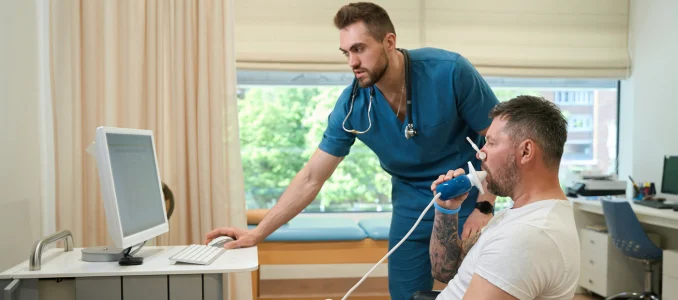
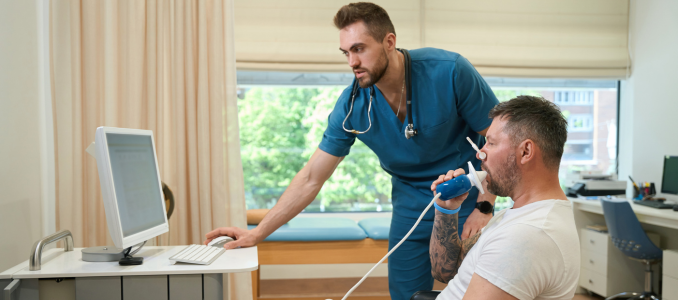
At the heart of the CDC’s request is the oversight of training programs that prepare technicians to perform spirometry—the gold standard for measuring lung function. Spirometry is a physiological test that measures how much air an individual can inhale and exhale, as well as how quickly they can perform these actions. In the context of occupational health, these measurements are vital for identifying early markers of obstructive or restrictive lung diseases, such as silicosis, coal worker’s pneumoconiosis (often called black lung disease), and respiratory complications stemming from cotton dust exposure.
NIOSH-approved courses are not merely educational recommendations; they are statutory requirements for several critical health surveillance programs. Specifically, the Occupational Safety and Health Administration (OSHA) mandates that technicians performing pulmonary function tests under the Cotton Dust Standard (29 CFR 1910.1043) must have completed a NIOSH-approved course. Similarly, the federal mandate for the Coal Workers’ Health Surveillance Program requires that spirometry tests be conducted by personnel who have demonstrated competence through these specific, federally vetted training modules.

The requirement extends to the construction and general industry sectors under the Respirable Crystalline Silica Standard (29 CFR 1910.1053 and 29 CFR 1926.1153). Because silicosis is an irreversible, often fatal disease caused by the inhalation of microscopic silica dust particles, the precision of initial and periodic pulmonary function examinations is paramount. The current regulatory framework ensures that the technician administering the test—who is often the first line of defense in detecting impairment—possesses the necessary skills to elicit accurate, reproducible results from workers.
Chronology of the Approval Process
The Pulmonary Function Testing Course Approval Program is designed as a multi-stage lifecycle for training providers. For institutions—including major research universities, specialized hospitals, and private industrial hygiene consulting firms—the process is rigorous:

- Initial Application: Prospective course sponsors submit a comprehensive application to NIOSH. This documentation must detail the curriculum, instructor qualifications, equipment specifications, and the methods used for practical examination.
- NIOSH Review: NIOSH subject matter experts evaluate the proposal against established technical criteria. The goal is to ensure that the instruction aligns with current American Thoracic Society (ATS) and European Respiratory Society (ERS) standards, which define the technical requirements for spirometry.
- Approval Period: Once granted, the approval is valid for up to five years. This duration allows for institutional stability while requiring periodic re-validation to account for updates in medical science or changes in NIOSH technical guidance.
- Ongoing Compliance: Approved sponsors are required to report any substantive changes to their faculty or curriculum to maintain their status.
- Refresher Training: Because clinical protocols and diagnostic criteria evolve, the program also requires a separate application process for sponsors seeking to offer refresher courses. This ensures that certified technicians do not rely on outdated techniques and remain proficient in the use of contemporary spirometry hardware and software.
The Burden of Administrative Oversight
The CDC’s current request for public comment is a standard procedure under the Paperwork Reduction Act (PRA) of 1995. The agency estimates that the total annual burden for these reporting requirements is approximately 144 hours. This figure accounts for the time sponsors spend gathering documentation, drafting applications, and preparing annual updates.
While 144 hours is a relatively modest administrative load in the context of federal oversight, the impact of these hours is significant. By standardizing the paperwork, NIOSH ensures a uniform level of quality control. Critics of heavy regulation might argue that such paperwork imposes costs on the private sector; however, proponents of occupational health emphasize that the absence of these controls could lead to "technician drift," where poor testing technique yields false-negative results, effectively masking the presence of work-related respiratory illnesses until they reach a debilitating stage.

The Role of Data in Worker Health
The necessity for these rigorous training standards is reflected in the prevalence of respiratory disease in the American workforce. According to data from the Department of Labor and the CDC, tens of thousands of workers remain at risk of occupational lung disease.
For instance, in the coal mining industry, surveillance data has shown a concerning resurgence of severe black lung disease in recent years. The ability of a technician to accurately conduct a forced vital capacity (FVC) maneuver—the most common component of a pulmonary function test—can determine whether a miner receives a diagnosis early enough to seek treatment or transfer to a less dusty environment. If the technician is improperly trained, the resulting data may be rejected by the NIOSH review process, necessitating a repeat test and causing unnecessary delays for the worker and the employer.

Implications of the Proposed Extension
The extension of the information collection process will maintain the status quo, ensuring that the oversight mechanism remains active. Should the public comments suggest gaps in the current program, the CDC may use the feedback to refine the reporting requirements. However, the primary implication of this move is the continued standardization of technician competency.
For the stakeholders involved—the universities that provide the training and the corporations that mandate these tests for their employees—the message from the federal government is clear: the precision of diagnostic testing is non-negotiable. As technology advances, with the transition from older, mechanical spirometers to sophisticated digital sensors, the role of the trained technician is shifting from manual data collection to the intelligent oversight of automated systems. Ensuring these technicians are trained on the nuances of these digital interfaces is a key focus of NIOSH’s ongoing curriculum reviews.

Public Engagement and Next Steps
The CDC is soliciting feedback on the necessity of this data collection, the accuracy of the agency’s estimate of the burden, and ways to enhance the quality and utility of the information to be collected.
Parties interested in submitting comments have until January 25, 2027, to participate. Submissions must be filed through the Federal eRulemaking Portal under Docket No. CDC-2026-1816. This public window is a vital component of the federal rulemaking process, providing a forum for medical professionals, industrial hygienists, and occupational safety advocates to weigh in on how these standards impact their day-to-day operations.

The information gathered will not only influence the renewal of this specific collection but could also inform future policy adjustments. As NIOSH continues to balance the need for rigorous oversight with the need to minimize administrative hurdles, the feedback provided by the professional community will be essential.
Ultimately, the goal of this administrative procedure is the protection of the American worker. By ensuring that the individuals tasked with monitoring lung health are held to a high, federally mandated standard, the CDC and NIOSH continue to provide a critical safety net in an industrial environment where respiratory hazards are persistent and, if left unchecked, catastrophic. The renewal of these paperwork requirements serves as a reminder that behind every health statistic is a worker whose quality of life depends on the accuracy of a simple, yet profoundly important, breathing test.