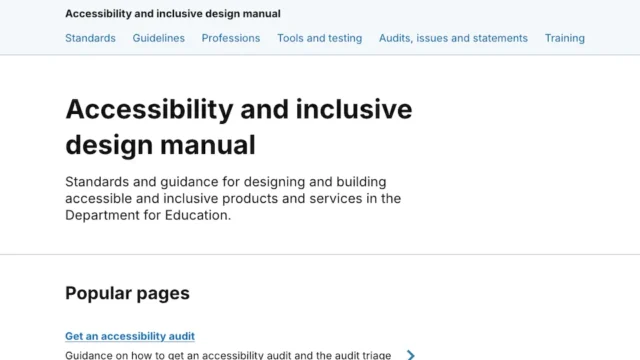
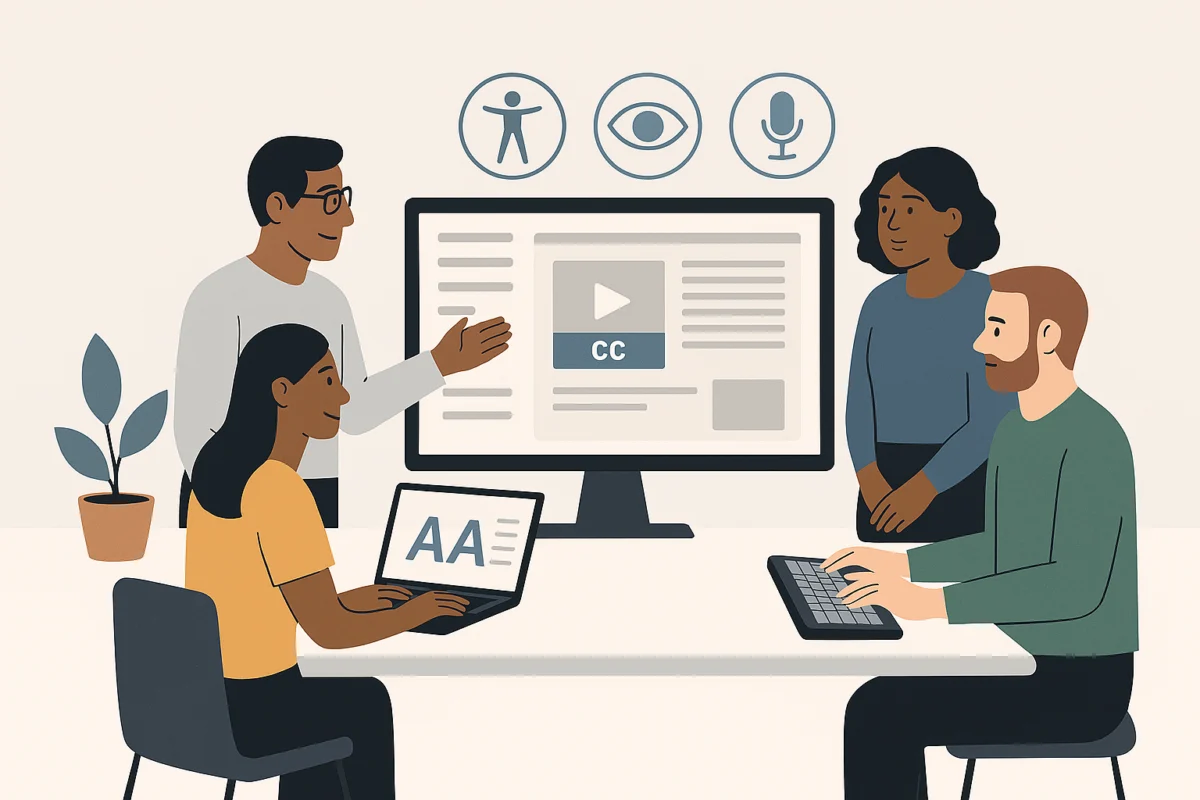
The 2026 iteration of the week is centered on the theme of "designing, developing, and delivering accessible digital services." This theme mirrors the global priority for GAAD 2026, highlighting a shift in the digital industry from viewing accessibility as an afterthought to integrating it as a foundational element of the service lifecycle. The week provides a platform for both accessibility specialists and general practitioners to share expertise, discuss emerging web standards, and participate in practical workshops aimed at improving the user experience for all citizens, regardless of their physical or cognitive abilities.
The Strategic Context of Digital Accessibility in the UK
The importance of Digital Accessibility Week 2026 is underscored by the UK’s stringent regulatory framework regarding digital inclusion. The Public Sector Bodies (Websites and Mobile Applications) (No. 2) Accessibility Regulations 2018 mandate that all public sector digital platforms must be perceivable, operable, understandable, and robust. Failure to meet these standards not only carries legal risks but also prevents millions of citizens from accessing essential services, such as healthcare, benefits, and taxation.
According to data from the Department for Work and Pensions (DWP), there are approximately 16 million people living with a disability in the UK, representing roughly 24% of the population. As the government continues its "digital by default" transformation, the risk of digital exclusion grows. Digital Accessibility Week acts as a critical intervention, ensuring that the workforce responsible for these services possesses the technical and empathetic skills required to bridge the digital divide.
A Chronological Overview of the 2026 Program
The event is structured to provide a logical progression from foundational concepts to specialized technical applications. The schedule is distributed across four days, with sessions hosted by a diverse range of government departments.
Monday, May 18: Foundations and Future Standards
The week commences with a focus on fundamental principles and the future of web guidelines. The Home Office will lead an "Introduction to Accessibility," designed as a non-technical primer for those new to the field. This session emphasizes the moral and social drivers behind inclusive design.
In the afternoon, the DWP will provide a technical overview of assistive software, including screen readers, magnification tools, and speech-to-text interfaces. Understanding how these tools interact with code is essential for developers and testers. The day concludes with a high-level briefing from the Government Digital Service (GDS) on the development of the Web Content Accessibility Guidelines (WCAG) 3. As the successor to WCAG 2.2, version 3 represents a significant shift in how accessibility is measured, moving toward a more holistic scoring system rather than a binary pass/fail audit.
Tuesday, May 19: Inclusive Research and Cognitive Accessibility
Tuesday’s sessions delve into the nuances of user experience. A dual track in the morning offers insights into the relationship between HTML markup and accessibility (hosted by DWP) and a specialized session on "Designing with Autistic People" led by His Majesty’s Revenue and Customs (HMRC). The latter is particularly significant as it addresses cognitive accessibility, an area often overlooked in favor of visual or motor impairments.
The Ministry of Justice (MoJ) will lead a midday discussion on how accessibility functions as a driver for innovation. By solving for extreme user needs, designers often create features—such as voice control or high-contrast modes—that benefit the general population. The afternoon will feature a collaborative session between HMRC and Ofcom, focusing on digital media literacy and the social factors that contribute to digital exclusion, followed by a beginner-friendly workshop on accessibility testing by the Student Loans Company (SLC).
Wednesday, May 20: Practical Application and Gaming Innovation
The third day shifts toward practical implementation and cross-industry learning. A joint session between HMRC and Lloyds Bank will explore how the principles of accessible banking can be applied to public sector financial services to empower families and individuals.
In a unique session, the Department for Environment, Food & Rural Affairs (Defra) will present "Accessibility in Gaming." The gaming industry is often at the forefront of adaptive technology, such as haptic feedback and blind-accessible navigation. Defra aims to demonstrate how these innovations can be translated into traditional government digital services. The afternoon will include a "common fails" analysis by the DWP, highlighting the most frequent errors found in public sector audits, and a session by Companies House on the importance of keyboard-only navigation.
Thursday, May 21: Global Accessibility Awareness Day
The final day coincides with GAAD and focuses on institutionalizing accessibility through policy and professional development. The DWP will provide practical training on creating accessible PowerPoint templates, ensuring that internal government communication is as inclusive as public-facing services.
HMRC will lead a session on the "quiet magic" of regulations, discussing the enforcement of WCAG 2.2 and how to influence organizational culture. The afternoon sessions, hosted by the Department for Education (DfE) and the SLC, will cover the role of accessibility assessors in formal service assessments. The week concludes with a personal look at professional pathways, as a DfE apprentice shares their experience in the Digital Accessibility Specialist apprenticeship program, illustrating the government’s commitment to building a sustainable pipeline of expertise.
Data-Driven Justification for Inclusive Design
The emphasis on accessibility is not merely a matter of compliance but also of economic and operational efficiency. Research into the "Click-Away Pound" suggests that UK businesses and services lose billions of pounds annually when users with disabilities abandon a website due to poor accessibility. In the public sector, an inaccessible website leads to an increase in "failure demand"—expensive phone calls and in-person visits to help centers that could have been avoided if the digital service had been usable.
Furthermore, the Cabinet Office has noted that services designed with accessibility in mind are generally easier for everyone to use. For example, clear language and high-contrast text benefit users with low literacy levels or those using mobile devices in bright sunlight. By adhering to the "AA" standards of the Web Content Accessibility Guidelines, government departments ensure that their services are robust enough to work across various devices and browsers, reducing long-term maintenance costs.
Stakeholder Perspectives and Institutional Impact
While official statements from department heads often emphasize the legal necessity of accessibility, the internal sentiment within the civil service reflects a growing culture of "inclusive by design." Sources within the Government Digital Service suggest that the goal of Digital Accessibility Week is to move beyond "tick-box" compliance toward a model where accessibility is considered at the discovery phase of every project.
The involvement of bodies like the Ministry of Justice and the Student Loans Company indicates that accessibility is being treated as a cross-functional responsibility. It is no longer relegated to the "IT department" but is instead a core competency for product managers, content designers, and policy officials. This holistic approach is essential for meeting the "Service Standard," a set of 14 criteria that all government services must meet to be published on GOV.UK.
Future Implications and Technical Evolution
Looking ahead, the discussions held during Digital Accessibility Week 2026 will likely influence the next five years of digital strategy. The transition to WCAG 3 will require a significant re-skilling of the workforce. Unlike previous versions, WCAG 3 (also known as "Silver") is expected to incorporate more user-centered testing and a broader range of disabilities, including mental health conditions and age-related functional declines.
The rise of Artificial Intelligence (AI) also presents a dual-edged sword for accessibility. While AI can automate the generation of alt-text for images or provide real-time captions for videos, it can also introduce biases or create complex interfaces that are difficult for screen readers to interpret. Sessions during the week regarding "accessible innovation" are expected to touch upon the ethical deployment of AI in government services to ensure that automation does not inadvertently exclude vulnerable populations.
Conclusion: A Unified Public Sector Approach
Digital Accessibility Week 2026 stands as a testament to the UK public sector’s collective effort to build a digital environment that leaves no one behind. By facilitating the exchange of knowledge between departments as diverse as Defra and the Home Office, the event ensures that best practices are standardized across the board.
For the thousands of public sector employees expected to attend, the week offers more than just theoretical knowledge; it provides the practical tools necessary to identify and dismantle digital barriers. As the UK continues to lead in the field of government digital transformation, the lessons learned during this week will be vital in maintaining a service landscape that is truly open to all. The focus on live, interactive sessions—ranging from gaming-inspired design to the intricacies of HTML—reflects a modern, dynamic approach to a challenge that is as much about human rights as it is about technical specifications.