
The Strategic Importance of Information Architecture in Public Services
Information architects at the GDS, including Lead Information Architect Becky Ashley and Senior Information Architects Sally Creasey and Rik Williams, have identified a multi-layered approach to accessibility that addresses diverse needs, from motor impairments to neurodivergence. Traditionally, information architects have been tasked with conducting deep user research to understand how the public interacts with government services. However, the evolving digital landscape requires a more nuanced focus on "cognitive accessibility," ensuring that users with limited attention spans, memory issues, or processing difficulties can navigate complex bureaucratic systems without undue mental fatigue.
The methodology shared by the GDS revolves around three pillars of information architecture: ontology, taxonomy, and choreography. Rik Williams explains that ontology defines the nature of the information, taxonomy dictates its organization, and choreography governs the interaction flow across various channels. By focusing on these elements, architects can create "deeply usable" systems. For instance, an accessible ontology uses clear, consistent concepts that assist users with cognitive disabilities or those who lack specific domain knowledge. Meanwhile, inclusive taxonomies provide predictable structures that aid screen reader users and those with mobility impairments who rely on keyboard navigation.
Chronology of Accessibility Standards in the UK Public Sector
The focus on information architecture is the latest step in a decade-long evolution of digital standards within the UK government. In 2011, the GDS was established following the Martha Lane Fox report, which advocated for a "digital by default" approach to public services. By 2018, the implementation of the Public Sector Bodies (Websites and Mobile Applications) (No. 2) Accessibility Regulations made it a legal requirement for all public sector websites to meet the Web Content Accessibility Guidelines (WCAG) 2.1 AA standards.
In May 2024, the transition toward WCAG 2.2 began, introducing new criteria that place a greater emphasis on cognitive accessibility and mobile navigation. The GDS’s current focus on information architecture serves as a proactive response to these tightening regulations. By embedding accessibility into the "bones" of a website—its sitemaps, metadata, and labels—the government aims to move beyond a "checklist" mentality toward a more holistic, user-centered design philosophy. This timeline reflects a shift from simple technical compliance to a sophisticated understanding of human-computer interaction.
Supporting Data: The Scale of Digital Exclusion
The necessity for accessible information architecture is underscored by sobering statistics regarding digital exclusion in the UK. According to data from the Office for National Statistics (ONS) and the digital inclusion charity Good Things Foundation, millions of individuals remain at risk of being left behind by the digital transition.
- Disability Prevalence: Approximately 24% of the UK population reports having a disability. This group is significantly more likely to face barriers when interacting with digital services that are poorly structured.
- The "Purple Pound": Research suggests that UK businesses lose an estimated £2 billion a month by ignoring the needs of disabled shoppers. In the public sector, the cost of inaccessible design is measured in increased telephone inquiries, missed appointments, and the failure of citizens to access essential benefits.
- Cognitive Load: Studies in cognitive psychology indicate that users can typically hold only seven items (plus or minus two) in their working memory. Information architectures that utilize "the paradox of choice"—offering too many similar options—disproportionately affect users with anxiety, ADHD, or age-related cognitive decline.
- Assistive Technology Usage: Roughly 10% of the population uses some form of assistive technology, such as screen magnifiers, speech-to-text software, or alternative input devices. These tools rely heavily on the logical "tabbing order" and clear metadata labels defined by information architects.
Official Responses and Expert Guidance
The GDS experts emphasize that accessibility is not the sole responsibility of a single department but a collective organizational mindset. Becky Ashley advocates for the adoption of the POUR principles—Perceivable, Operable, Understandable, and Robust—across every level of the workforce. She suggests that finding a "shared language" between developers, designers, and content creators is essential for maintaining a consistent user experience.
Sally Creasey highlights the importance of "advocacy amongst stakeholders." She notes that while creating ontologies and knowledge organization systems is technically demanding, the real challenge lies in ensuring that decision-makers understand the impact of these structures on end-users. Creasey warns against the common pitfall of designing information structures around organizational hierarchies rather than user needs. "Using jargon in labeling or creating sections with very similar purposes adds unnecessary mental load," she stated, adding that controlled vocabularies are vital for maintaining linguistic consistency.
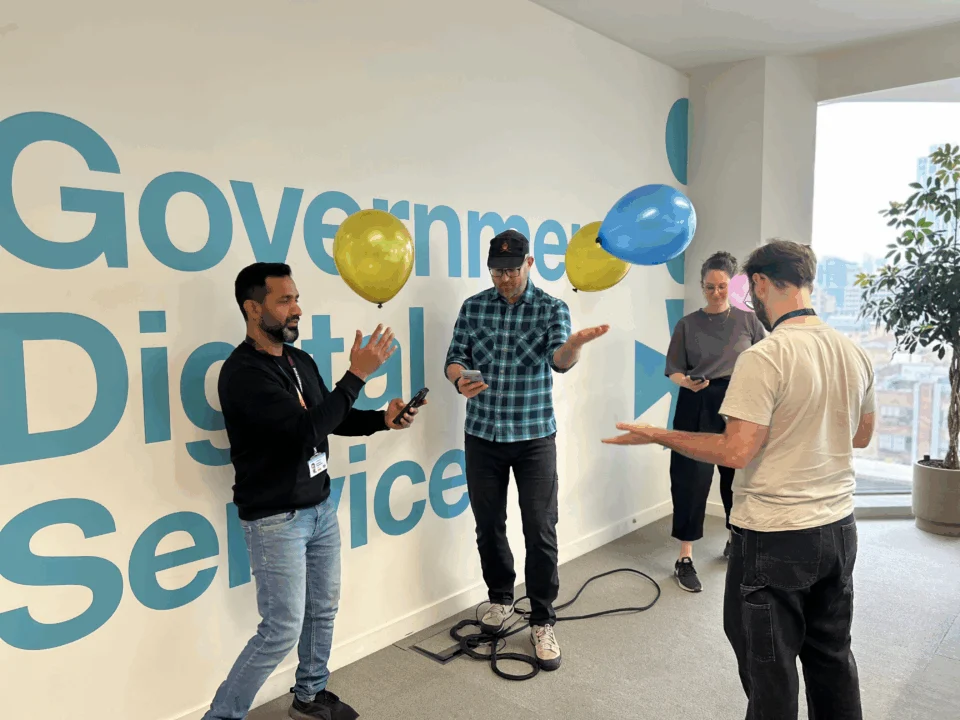
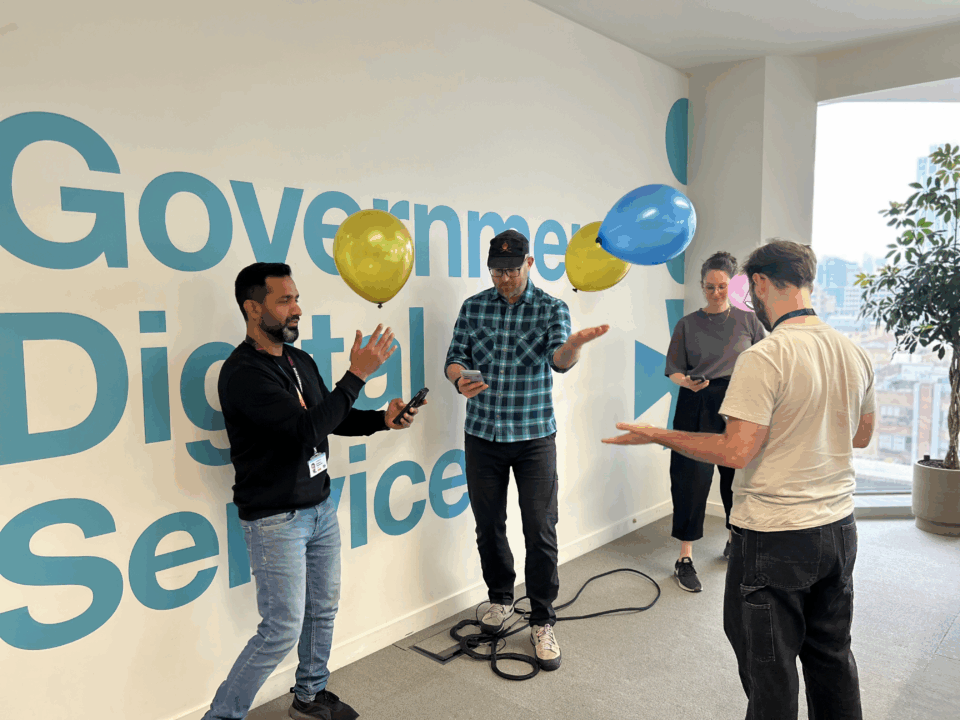
To bridge the gap between design teams and users with disabilities, the GDS utilizes various tools and interactive exercises. One notable example is the "empathy balloons" game, a cost-effective simulation designed to build understanding of the challenges faced by users with limited dexterity or cognitive impairments. While the GDS notes that simulations cannot replace direct testing with disabled users, they serve as a valuable educational tool for internal teams to recognize the friction points in a digital journey.
Methodological Innovations: Object-Oriented Design and AI
The future of accessible information architecture at the GDS involves the integration of Object-Oriented Design (OOD) and emerging artificial intelligence. Rik Williams points out that OOD allows architects to build information environments around tangible "objects" with standardized attributes. This approach creates a predictable structure that benefits both human users and the algorithms that power modern search and navigation.
Furthermore, the strategic use of metadata is being explored to facilitate personalized user experiences. By investing in sophisticated metadata frameworks, the GDS aims to serve content to users via their preferred channels and formats, potentially allowing for real-time adjustments based on a user’s specific access needs. Sally Creasey notes that techniques such as "progressive disclosure"—revealing information only as it becomes necessary—are being refined to prevent users from becoming overwhelmed by data.
Broader Impact and Global Implications
The approach pioneered by the GDS has implications far beyond the UK’s borders. As a global leader in digital government, the UK’s standards are frequently emulated by other nations. By prioritizing information architecture, the GDS is setting a new benchmark for how governments can fulfill their social contract in a digital age.
The focus on cognitive accessibility, in particular, addresses a growing demographic shift. As global populations age, the prevalence of conditions such as dementia and vision loss is increasing. Information architectures that are "born accessible" reduce the long-term costs of digital maintenance and ensure that services remain resilient in the face of changing user demographics and technological advancements.
Ultimately, the GDS asserts that the "power of the web is in its universality," echoing the sentiments of web creator Tim Berners-Lee. By focusing on the structural clarity of information, the GDS is not merely complying with legal mandates but is actively dismantling the digital barriers that prevent millions of citizens from participating fully in society. The "Unlocking Accessibility" initiative serves as a blueprint for any organization seeking to transform its digital presence into a truly inclusive environment, proving that when a system is designed for the most vulnerable, it becomes more usable for everyone.