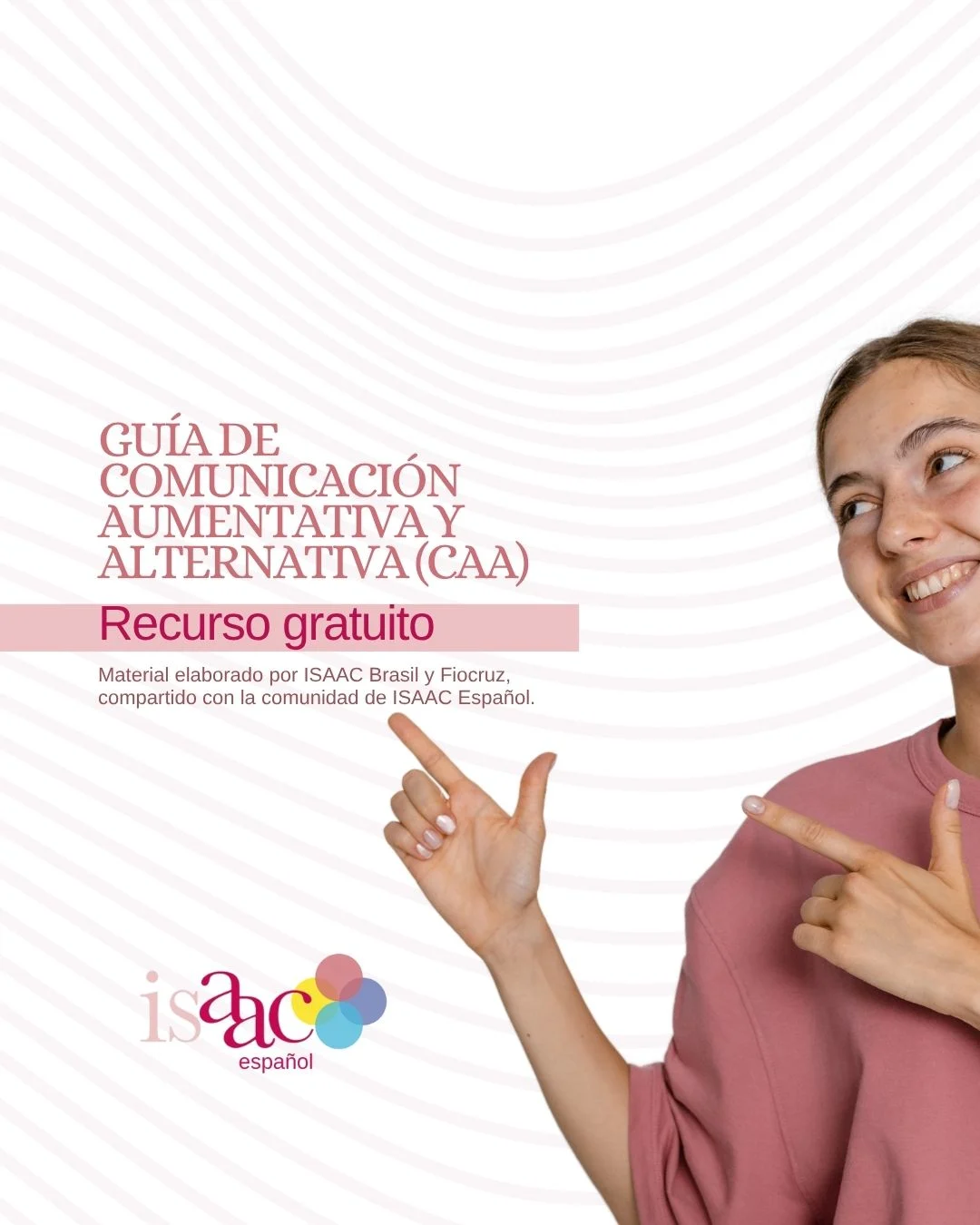
The Genesis of the Initiative
The development of this guide is the culmination of a multi-year effort to address the scarcity of high-quality, culturally relevant AAC materials in Spanish. While AAC technologies and methodologies have seen rapid advancement in North America and Europe, the dissemination of these tools in the Global South has often been hampered by language barriers and a lack of localized clinical resources.
The project originated in Brazil, where ISAAC Brazil and Fiocruz—a premier public health research institution—identified a critical need for a foundational text that could be used across diverse socio-economic settings. The original Portuguese manuscript was designed not merely as a technical manual, but as a human-centric guide emphasizing the rights of individuals with disabilities to express themselves. Following the success of the Portuguese version, the organizations prioritized a translation strategy that accounted for the linguistic nuances of various Spanish-speaking regions, ensuring the terminology remains accessible to a broad demographic.
Chronology of Development and Distribution
The timeline of this project underscores a commitment to sustainable, collaborative development:
- Early 2024: ISAAC Brazil and Fiocruz initiate the collaborative research phase to synthesize existing AAC best practices.
- Late 2024 – Mid 2025: Drafting of the foundational Portuguese text, incorporating feedback from clinical specialists and lived-experience consultants.
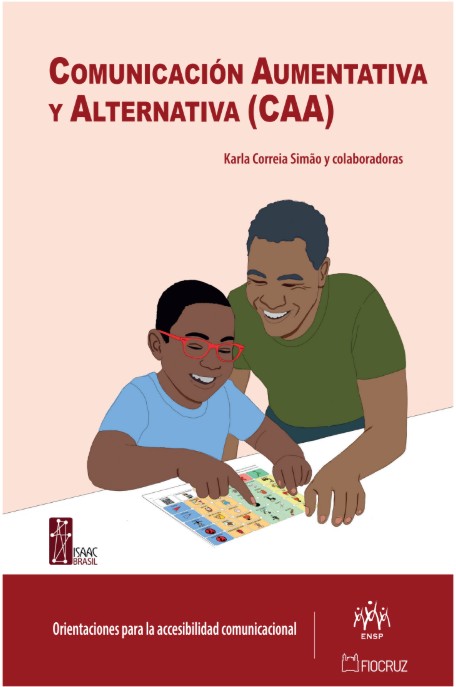
- Late 2025: Completion of the peer-review process and finalization of illustrations, which notably feature actual AAC users to foster authentic representation.
- Early 2026: Translation and localization efforts focused on ensuring the Spanish terminology aligns with regional clinical standards.
- April 2026: Official public release of the Spanish-language guide, supported by dissemination efforts via ISAAC Español’s digital platforms.
Core Pillars of the AAC Guide
The guide is structured to serve as an entry point for those new to the field while providing enough depth for seasoned practitioners. Its content is categorized into three primary areas:
1. The Right to Communicate
A central theme of the guide is the legal and ethical imperative of communication. Drawing upon international frameworks, including the UN Convention on the Rights of Persons with Disabilities, the guide articulates why AAC is a human right, not a luxury. It provides arguments that families and caregivers can use to advocate for services within educational and healthcare systems.
2. Clinical Foundations and Concepts
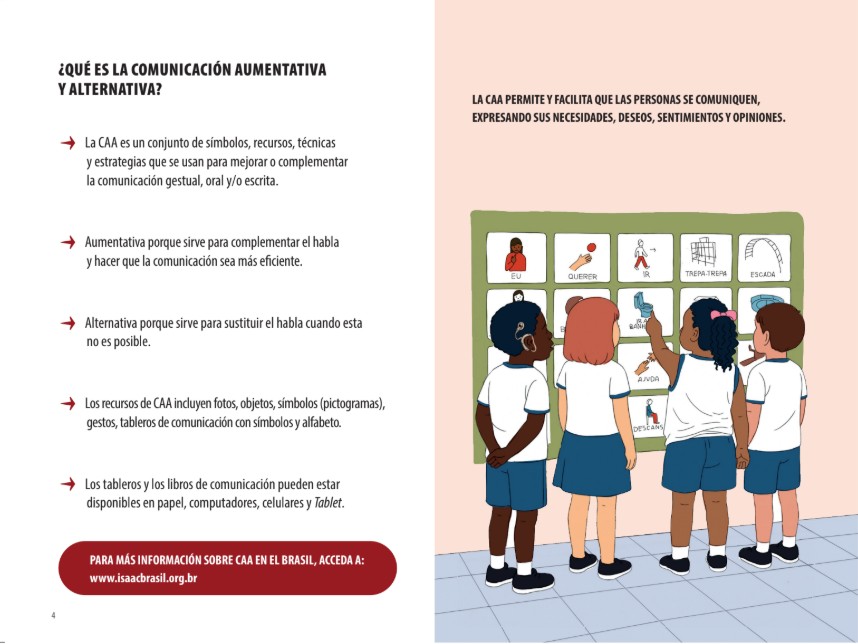
The document breaks down complex terminology into digestible segments. It addresses the distinction between aided and unaided communication, the importance of multimodality, and the debunking of common myths—such as the misconception that AAC hinders the development of verbal speech. By grounding its advice in current research, the guide ensures that readers are equipped with the most up-to-date methodologies.

3. Implementation Strategies
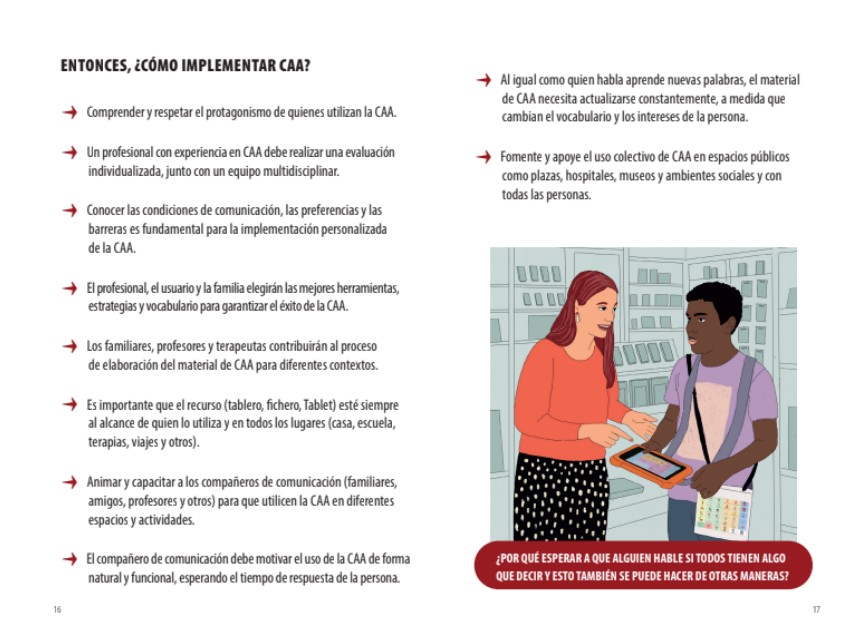
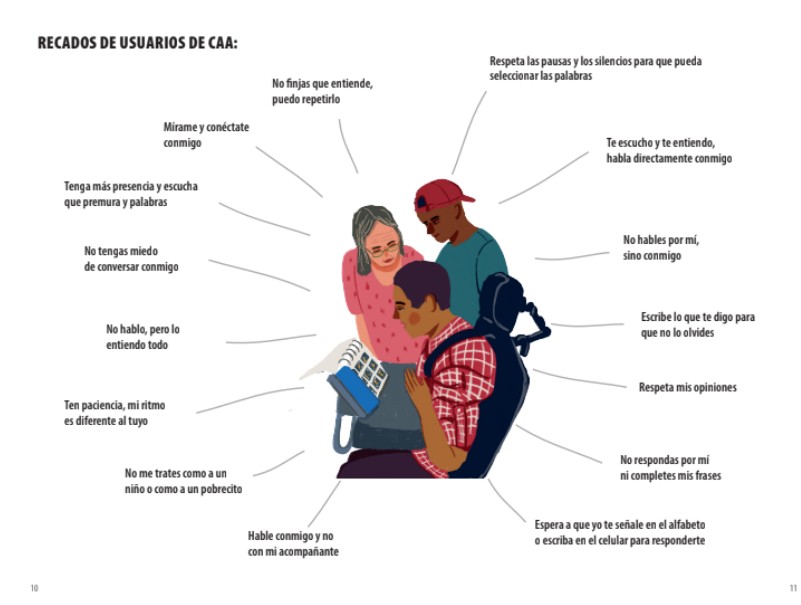
Perhaps the most practical aspect of the resource is its focus on implementation. It offers strategies for creating communicative environments, selecting appropriate vocabulary, and fostering interaction in natural settings—such as at home or in the classroom. The use of illustrations featuring actual AAC users is a deliberate design choice aimed at humanizing the technology and demonstrating that effective communication is a daily, functional activity rather than a rigid clinical exercise.
Supporting Data and Global Context
The global prevalence of individuals requiring AAC is substantial. According to data from the World Health Organization (WHO), over one billion people live with some form of disability, and a significant portion of this population experiences limitations in speech and language. In many developing nations, the lack of trained speech-language pathologists (SLPs) and the prohibitive cost of high-tech devices make low-tech and mid-tech resources—like those highlighted in this new guide—essential for basic inclusion.
The collaboration between Fiocruz and ISAAC is particularly noteworthy because it leverages the research infrastructure of a national health institute to promote social equity. By making the guide free and digitally accessible, the project bypasses the typical "pay-to-access" barriers that often prevent lower-income families from obtaining professional guidance.
Official Responses and Stakeholder Impact
Industry experts have hailed the release as a pivotal development. While the project is a collaborative effort, its reception by regional ISAAC chapters suggests a high degree of integration with existing disability advocacy networks.
"The primary challenge in AAC is not necessarily the technology, but the ‘communication culture’ surrounding the individual," noted a spokesperson associated with the project’s launch. "By standardizing the language and the approach to implementation, we are creating a common ground where parents, teachers, and therapists can work toward a single goal: the autonomy of the user."
Clinicians have emphasized that the guide’s focus on "real-world" application fills a void. Many existing resources are either too academic, focusing on neurobiology, or too narrow, focusing only on specific device software. This guide provides a middle ground that emphasizes the "how-to" of communication, which is consistently identified by parents as their most significant point of friction.
Broader Implications for the Field
The publication of this guide is expected to have several long-term implications:
- Standardization of Care: By providing a shared reference point, the guide may encourage more uniform practices across Spanish-speaking countries, making it easier for families to move between regions without losing continuity of care.
- Empowerment of Non-Specialists: By design, the guide is written for non-specialists. This is crucial in regions where access to an SLP is limited. Providing parents with the tools to become "communication partners" effectively increases the number of hours of AAC intervention a child receives, which is a key predictor of positive communication outcomes.
- Digital Accessibility: The use of QR codes and direct digital links reflects a modern approach to resource dissemination. By hosting the material on social platforms and public-facing websites, the authors ensure that the information remains discoverable by anyone with an internet connection.
Future Outlook
As the global community continues to move toward more inclusive educational and social models, resources such as the ISAAC/Fiocruz AAC Guide represent the building blocks of a more equitable society. The project organizers have indicated that they are already monitoring feedback from the initial rollout to determine if future editions might require additional modules, such as those focused on vocational integration or aging-related communication needs.

The success of this endeavor serves as a case study for future international collaborations. It demonstrates that when research institutions and professional advocacy groups combine their expertise, they can produce high-impact, low-cost solutions that directly address the daily challenges of marginalized populations. As the guide circulates throughout Latin America and the Iberian Peninsula, its true impact will be measured not in downloads, but in the increased participation and improved quality of life for the AAC users who now have a more robust roadmap for their communication journey.