The Strategic Importance of Information Architecture in Public Services
The GDS specialists—Lead Information Architect Becky Ashley and Senior Information Architects Sally Creasey and Rik Williams—emphasize that IA is the "skeleton" of digital design. If the skeleton is malformed, no amount of visual "skin" or accessible coding can fully rectify the user experience. This perspective aligns with the UK’s broader digital strategy, which seeks to modernize public services while adhering to the Public Sector Bodies (Websites and Mobile Applications) (No. 2) Accessibility Regulations 2018. These regulations mandate that public sector platforms must be perceivable, operable, understandable, and robust (POUR).
Chronology of Accessibility Standards in UK Digital Government
The focus on information architecture marks a significant evolution in the UK government’s approach to digital inclusion.
- 2012: The launch of the Government Digital Service and the initial Government Service Design Manual, which introduced basic accessibility requirements.
- 2018: The transposition of the EU Directive on the accessibility of public sector websites into UK law, setting a legal deadline for compliance with Web Content Accessibility Guidelines (WCAG) 2.1 AA standards.
- 2020–2022: A period of rapid digital acceleration due to the COVID-19 pandemic, highlighting significant gaps in how vulnerable populations accessed critical information.
- 2024–2025: A strategic shift toward "role-specific" accessibility, moving beyond general developer guidelines to include specific mandates for information architects, content designers, and product managers.
This timeline illustrates a move from reactive compliance to proactive, structural design. The current "Unlocking Accessibility" initiative represents the vanguard of this movement, seeking to democratize expert knowledge across the civil service.
The Three Pillars of Accessible Architecture: Ontology, Taxonomy, and Choreography
Rik Williams, Senior Information Architect at GDS, identifies three critical pillars that form the basis of an accessible information system: ontology, taxonomy, and choreography.
Ontology refers to the meaning and definition of information. In an accessible system, ontologies must use clear and consistent concepts. This is particularly vital for users with cognitive disabilities or those with limited domain knowledge who may struggle with ambiguous terminology.
Taxonomy involves the organization and classification of that information. An inclusive taxonomy utilizes predictable and logical structures. For users navigating via screen readers or those with mobility impairments using keyboard-only navigation, a logical hierarchy ensures that they can predict where information will be located without having to scan the entire interface.
Choreography dictates how users interact with the system across various channels and over time. This includes the sequence of steps in a service flow. High-quality choreography ensures a logical tabbing order for keyboard users, clear focus indicators, and consistent navigation patterns that reduce the cognitive load on the user.
Supporting Data: The Scale of Digital Exclusion
The drive for better information architecture is supported by stark demographic data. According to the Family Resources Survey, approximately 16 million people in the UK—roughly 24% of the population—reported having a disability in the 2022/23 period. Furthermore, the "Digital Poverty" report suggests that millions of UK citizens lack the "essential digital skills" required to navigate complex bureaucratic websites.
Research indicates that users with cognitive impairments, such as dyslexia or ADHD, are disproportionately affected by poor information architecture. A study by the Nielsen Norman Group found that users with lower literacy or cognitive limitations perform significantly better on sites with "flat" hierarchies and clear, descriptive labeling—core components of the IA approach advocated by GDS.
Overcoming Common Pitfalls in Digital Design
A recurring theme among the GDS experts is the danger of "stakeholder-centric" design. Sally Creasey notes that organizations often fall into the trap of structuring information based on internal departmental hierarchies rather than user mental models. When a website mirrors an organization’s chart, it creates "silos" of information that are unintuitive to the public.
Another common pitfall is the "paradox of choice," where users are presented with too many similar options, leading to cognitive fatigue. To combat this, the GDS team advocates for "controlled vocabularies"—standardized sets of terms that ensure consistency across a service. If a service uses the word "payment" in one section and "transaction" in another to describe the same action, it creates unnecessary mental friction for users who rely on precise language.
Becky Ashley warns against the "one-and-done" mentality. Information systems must be iterative. As user needs evolve and new technologies emerge, the metadata and labels that categorize content must be flexible. This requires a continuous feedback loop between user research and data architecture.
Methodologies and Tools for Inclusive IA
To ensure that these theoretical frameworks translate into usable services, GDS utilizes several specific methodologies:
- Noun and Verb Foraging: Analyzing the specific language users employ when describing their needs to ensure the digital service speaks the same "language."
- Card Sorting and Tree Testing: Research techniques where users organize topics into categories, helping architects understand the mental models of a diverse user base.
- Progressive Disclosure: A design technique where information is revealed only as needed, preventing users from being overwhelmed by a "wall of text" or too many choices at once.
- Object-Oriented Design (OOD): A structural approach that builds environments around tangible "objects" (e.g., a "passport application" or a "tax record") rather than abstract processes, ensuring consistency across different platforms.
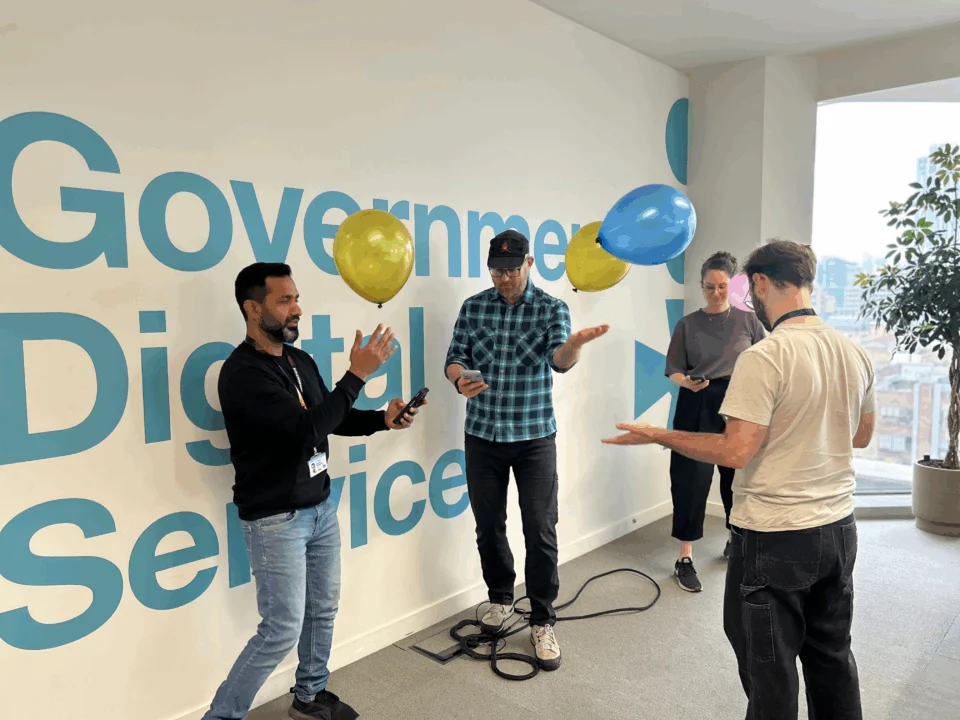
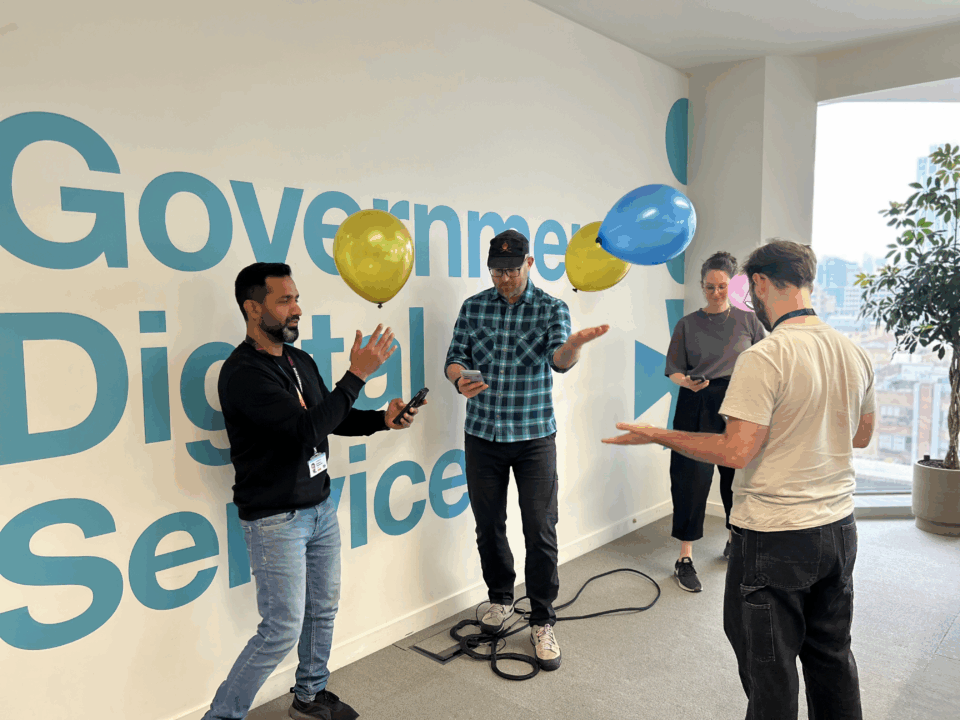
The team also employs "empathy simulations," such as using motor-control limiting gloves or "empathy balloons" (a game designed to simulate the distraction and cognitive load experienced by some users). However, Williams cautions that while these are useful for building awareness among designers, they are not a substitute for direct testing with people who have lived experience of disabilities.
Analysis of Implications: The Role of AI and Metadata
The future of information architecture is increasingly intertwined with Artificial Intelligence (AI) and advanced metadata. Sally Creasey highlights that as AI becomes more prevalent, the quality of underlying metadata becomes paramount. Well-structured metadata allows for "tailored experiences," where content can be served to users via their preferred channels—whether that be voice assistants, simplified text interfaces, or traditional web pages.
However, this technological shift also presents risks. If the underlying information architecture is biased or poorly structured, AI systems will exacerbate these flaws, potentially automating exclusion. The GDS approach suggests that by focusing on "universality"—a principle championed by Web inventor Tim Berners-Lee—architects can create systems that are robust enough to handle future technological shifts while remaining accessible to all.
Official Responses and Broader Impact
The GDS briefing has been met with positive responses from accessibility advocates and industry bodies. Representatives from the Digital Accessibility Centre (DAC) have long argued that structural clarity is the most overlooked aspect of web compliance. By bringing information architects to the forefront of the conversation, GDS is signaling a shift toward a more holistic definition of "quality" in software engineering and digital design.
The implications of this shift extend beyond the public sector. As the UK government sets the standard for digital excellence through its Service Standard, private sector organizations often follow suit. The emphasis on "deep usability" as a fundamental component of accessibility is likely to influence how corporate intranets, e-commerce platforms, and educational tools are built in the coming years.
In conclusion, the "Unlocking Accessibility" series underscores a vital truth in the digital age: accessibility is not a feature to be added, but a fundamental property of well-designed information. By prioritizing clear ontologies, logical taxonomies, and user-centered choreography, information architects at GDS are ensuring that the digital gates of government remain open to every citizen, regardless of their physical or cognitive abilities. This structural approach to inclusion represents a maturing of digital governance, where the complexity of the backend is harnessed to create simplicity and clarity on the frontend.