The Evolution of Digital Accessibility Standards
The landscape of online engagement has shifted dramatically since the 2020 global pandemic, which forced a transition from physical boardrooms to virtual meeting spaces. While the initial phase of this transition focused on basic connectivity, the current era demands a sophisticated approach to accessibility. The guidance provided by accessibility experts highlights a shift toward "inclusive by design" methodologies. This approach ensures that individuals with visual, auditory, motor, or cognitive impairments can participate in digital discourse with the same degree of autonomy and effectiveness as their non-disabled peers.
According to data from the World Health Organization (WHO), approximately 16% of the world’s population experiences significant disability. In the United Kingdom, the Department for Work and Pensions reports that there are 16.1 million people with a disability, representing 24% of the population. These figures underscore the economic and social importance of accessible events. For public sector organizations, these requirements are not merely ethical but legal, dictated by the Public Sector Bodies (Websites and Mobile Applications) Accessibility Regulations 2018 and the Equality Act 2010.
Pre-Event Chronology: The Planning and Preparation Phase
The success of an inclusive online event is determined long before the first attendee joins the virtual lobby. A structured timeline for preparation is essential to ensure that no participant is excluded due to technical or logistical oversights.
Strategic Audience Analysis
The first step in the chronological preparation for an event involves active engagement with the potential audience. Accessibility experts recommend distributing pre-event surveys at least four to six weeks before the scheduled date. These surveys allow organizers to gather specific data on requirements such as British Sign Language (BSL) interpretation, live captioning, or the need for materials in alternative formats like Braille or high-contrast PDFs. By identifying these needs early, organizers can secure the necessary budget and professional services, which often require advanced booking.
Platform Evaluation and Technical Rigor
Not all virtual meeting platforms are created equal in terms of accessibility. A core component of the planning phase is a rigorous audit of the chosen software. Organizers must verify that the platform supports screen reader software, such as JAWS or NVDA, and that all interactive elements—including "raise hand" icons, chat boxes, and polling features—are fully navigable via keyboard shortcuts. This is particularly vital for individuals with motor impairments who may not be able to use a traditional computer mouse.
Designing the "Cognitive" Agenda
The chronology of the event itself must be designed with neurodiversity in mind. Standard corporate meeting structures often overlook the "cognitive load" placed on participants. The GDS guidance suggests implementing frequent breaks—typically 10 to 15 minutes for every hour of content. These intervals are crucial for participants who may experience "Zoom fatigue," those who need to manage physical health requirements, or individuals who require extra time to process information.
Communication and Promotional Strategies
Transparency in communication acts as the gateway to an inclusive event. If a potential attendee cannot determine whether an event will meet their needs based on the invitation, they are statistically less likely to register.
Accessible Marketing Materials
Promotional materials must adhere to the Web Content Accessibility Guidelines (WCAG) 2.2. This includes ensuring a high color contrast ratio (at least 4.5:1 for normal text) and utilizing sans-serif fonts that are easier for individuals with dyslexia to read. Furthermore, any imagery used in social media promotion or email invitations must include descriptive alternative text (Alt-text) so that screen reader users can understand the visual context of the message.
Multi-Format Distribution
To reach the widest possible audience, event details should be provided in multiple formats. While a digital PDF is standard, providing an HTML version of the agenda is often more accessible for mobile users and screen readers. For high-stakes conferences, offering audio previews or "easy-read" versions of complex documents can significantly lower the barrier to entry for participants with learning disabilities.
Real-Time Execution: Maintaining Inclusion During the Live Session
The "live" phase of an event is where the theoretical planning meets practical application. Maintaining accessibility during a live stream requires constant vigilance and a dedicated support team.
Visual and Auditory Clarity
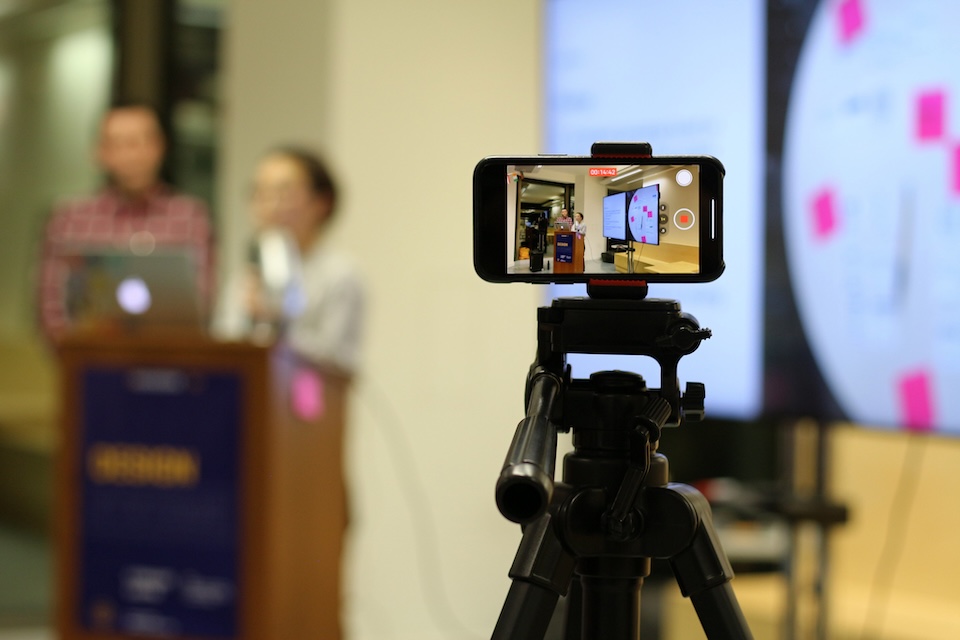
The physical setup of the presenters plays a vital role in accessibility. Presenters should be positioned in well-lit environments with the light source in front of them, rather than behind, to ensure their faces are clearly visible. This is essential for participants who rely on lip-reading or facial expressions to supplement the audio. Additionally, the use of high-quality external microphones is non-negotiable; poor audio quality can render automated captioning software inaccurate and make it difficult for those with hearing impairments to distinguish speech from background noise.
The Role of Live Captioning and Interpretation
While automated "auto-captions" have improved significantly through artificial intelligence, they often struggle with technical jargon, diverse accents, or multiple speakers. For formal events, the gold standard remains Communication Access Realtime Translation (CART), where a professional captioner transcribes the dialogue in real-time. Similarly, if a participant has requested sign language interpretation, the interpreter must be "pinned" or spotlighted so they remain visible even when a screen is being shared.
Active Monitoring of Accessibility Barriers
A best practice emerging from the GDS guidelines is the appointment of a dedicated "Accessibility Moderator." This individual is responsible for monitoring the chat specifically for accessibility-related complaints. If a participant reports that a font size on a shared slide is too small, or that the captions have stopped working, the moderator can intervene immediately, ensuring the issue is resolved without derailing the presentation.
Post-Event Follow-up and Data Collection
The lifecycle of an accessible event extends beyond the "end meeting" button. The post-event phase is critical for reinforcing the information shared and improving future iterations.
Archiving and Transcripts
Recorded sessions provide an invaluable resource for those who could not attend due to time zone differences or health-related absences. However, a video file alone is insufficient. Organizations should provide a full, corrected transcript and a version of the video with "burned-in" or togglable captions. This ensures that the knowledge shared during the event remains searchable and accessible long-term.
The Feedback Loop
Post-event surveys should include specific questions regarding the accessibility features provided. Asking participants, "Did the live captioning meet your needs?" or "Was the platform easy to navigate with your assistive technology?" provides qualitative data that can justify future investments in accessibility tools. Following up directly with individuals who requested specific accommodations shows a commitment to inclusion that goes beyond mere compliance.
Broader Impact and Ethical Implications
The push for accessible online events has implications that reach far beyond the disability community. This phenomenon, often referred to as the "Curb-Cut Effect," suggests that accessibility features originally designed for people with disabilities end up benefiting the entire population. For example, live captions are frequently used by individuals in noisy environments, those who are learning the language of the presentation, or people who prefer to consume information visually.
From a legal and corporate perspective, the risks of ignoring accessibility are mounting. In recent years, there has been a surge in litigation regarding digital inaccessibility. By adopting the GDS tips, organizations mitigate the risk of legal challenges while simultaneously enhancing their brand reputation as inclusive employers and service providers.
Conclusion: A Step Toward Digital Equity
As Global Accessibility Awareness Day 2025 approaches, the message from accessibility advocates is clear: inclusion is a continuous process of learning and adaptation. Hosting an accessible event is not a box-ticking exercise but a commitment to respecting the diverse ways in which humans interact with technology. By implementing rigorous planning, clear communication, and responsive real-time support, event organizers can ensure that the digital world remains an open and equitable space for everyone. The transition toward total digital accessibility is an essential component of a modern, democratic society, ensuring that information and opportunity are available to all, regardless of physical or cognitive ability.