Traditionally, information architects are responsible for the planning and research phases that define how users navigate digital environments. However, the latest insights from GDS leaders suggest a shift toward a more holistic, user-centered design approach that prioritizes individuals with diverse cognitive, motor, and sensory needs. This shift is driven by the realization that even the most visually accessible website can fail if its underlying logic—its ontology and taxonomy—is confusing or inconsistent.
The Strategic Foundation: Embedding Accessibility at Every Level
According to Becky Ashley, Lead Information Architect at GDS, the primary challenge for organizations is moving beyond a "checklist" mentality. To truly prioritize accessibility, organizations must embed it into their internal workflows and across every skillset. This involves a dual approach: raising general awareness through education and creating structured integration in technical workflows. Ashley argues that a collective mindset is necessary to support intuitive design, ensuring that accessibility is a shared responsibility rather than the sole province of a specialized team.
Sally Creasey, a Senior Information Architect at GDS, adds that advocacy must begin at the stakeholder level. When stakeholders are involved in the process of creating sitemaps and knowledge organization systems, they gain a deeper understanding of why certain structural decisions are made. Creasey warns that failing to bring colleagues and end-users along during the development of ontologies risks creating systems that miss the mark for those they are intended to serve. The goal is to move away from "black box" design toward a transparent process where accessibility is a core KPI from day one.
The Three Pillars of Accessible Architecture: Ontology, Taxonomy, and Choreography
Rik Williams, another Senior Information Architect at GDS, provides a technical framework for understanding how IA impacts accessibility through three distinct pillars. This framework allows teams to isolate and address specific barriers that might hinder users with disabilities.
The first pillar is ontology, which defines the meaning and relationships of information. For users with cognitive disabilities or those with limited domain knowledge, a clear and consistent ontology is vital. It ensures that concepts are labeled predictably and that the connections between different pieces of information are logical.
The second pillar is taxonomy, or the organization and classification of information. Inclusive taxonomies are essential for users of screen readers and those with mobility impairments. A predictable structure allows these users to anticipate where information will be located, reducing the "interaction cost" of navigating a site.
The third pillar is choreography, which refers to how users interact with information across different channels and over time. This includes the sequence of interactions, the tabbing order for keyboard users, and the consistency of navigation patterns. By focusing on these three pillars, architects can create systems that are "deeply usable," which Williams argues is the fundamental basis of accessibility.
Educational Frameworks and the POUR Principles
To bridge the gap between different disciplines—such as developers, content creators, and designers—GDS architects utilize the POUR framework. This international standard, which stands for Perceivable, Operable, Understandable, and Robust, provides a shared language for teams to evaluate their work.
- Perceivable: Information and user interface components must be presentable to users in ways they can perceive (e.g., providing text alternatives for non-text content).
- Operable: User interface components and navigation must be operable (e.g., making all functionality available from a keyboard).
- Understandable: Information and the operation of the user interface must be understandable (e.g., making text readable and predictable).
- Robust: Content must be robust enough that it can be interpreted reliably by a wide variety of user agents, including assistive technologies.
Becky Ashley notes that applying these principles to the IA workstream encourages a sense of accountability. Similarly, Sally Creasey emphasizes the importance of "being the change." By championing intuitive labeling and mapping information to the mental models of users, architects can demonstrate the tangible benefits of accessibility to their peers. This includes ensuring that the backend systems, such as Content Management Systems (CMS), are also accessible, as the people managing government content may themselves have disabilities.
Chronology of Accessibility Standards in the UK Public Sector
The focus on IA accessibility is part of a decade-long evolution in UK digital governance. The timeline of this progression highlights the increasing weight of accessibility in the public sector:
- 2011: The launch of the "Digital by Default" strategy, emphasizing that government services should be digital first but accessible to all.
- 2012: The establishment of GDS to oversee the transformation of government digital services.
- 2018: The introduction of the Public Sector Bodies (Websites and Mobile Applications) Accessibility Regulations. This mandated that all public sector websites meet Web Content Accessibility Guidelines (WCAG) 2.1 AA standards.
- 2020-2021: A surge in digital service usage due to the COVID-19 pandemic, highlighting gaps in accessibility for vulnerable populations.
- 2024-2025: The "Unlocking Accessibility" series represents the latest phase, focusing on specific professional roles and the integration of advanced technologies like AI to further inclusive design.
Supporting Data: The Scale of the Challenge
The necessity of accessible IA is underscored by national statistics regarding disability in the United Kingdom. According to the Office for National Statistics (ONS) and Department for Work and Pensions (DWP) data from 2023:
- Approximately 16 million people in the UK live with a disability, representing 24% of the population.
- Of these, a significant portion experience cognitive impairments, which are directly affected by the clarity of information architecture.
- Research indicates that 71% of users with access needs will leave a website that is difficult to use, a phenomenon known as the "click-away pound" in the private sector, which translates to a loss of trust and efficiency in the public sector.
- GDS reports that services designed with accessibility in mind often see a 20-30% reduction in "failure demand"—calls and emails from citizens who could not complete a task online.
Avoiding Common Pitfalls in Digital Design
One of the most frequent errors in information architecture is designing for organizational structures rather than user needs. Sally Creasey points out that organizations often organize their websites based on their internal departments, which rarely aligns with how a citizen thinks about a problem. This creates "jargon-heavy" environments and "the paradox of choice," where users are overwhelmed by too many similar-sounding options.
To avoid these pitfalls, GDS architects advocate for "controlled vocabularies" and "noun and verb foraging." These techniques involve analyzing the language users actually use to describe their needs and ensuring that the website reflects that language consistently.
Rik Williams highlights the danger of ignoring cognitive limits. "Information architects design understanding," Williams states. By using techniques like "progressive disclosure"—where information is revealed only as needed—architects can prevent cognitive overload. This is particularly beneficial for users with dyslexia, dementia, or those experiencing temporary situational stress, such as when applying for emergency benefits.
Tools and Methodologies for Inclusive Research
The GDS team employs several practical tools to ensure their architectures are robust. These include:
- Card Sorting and Tree Testing: These research methods allow architects to see how users categorize information and where they expect to find specific services.
- Object-Oriented Design (OOD): This approach builds information environments around tangible "objects" (e.g., a "passport application" or a "tax record") and standardizes their attributes, creating a more consistent and predictable experience.
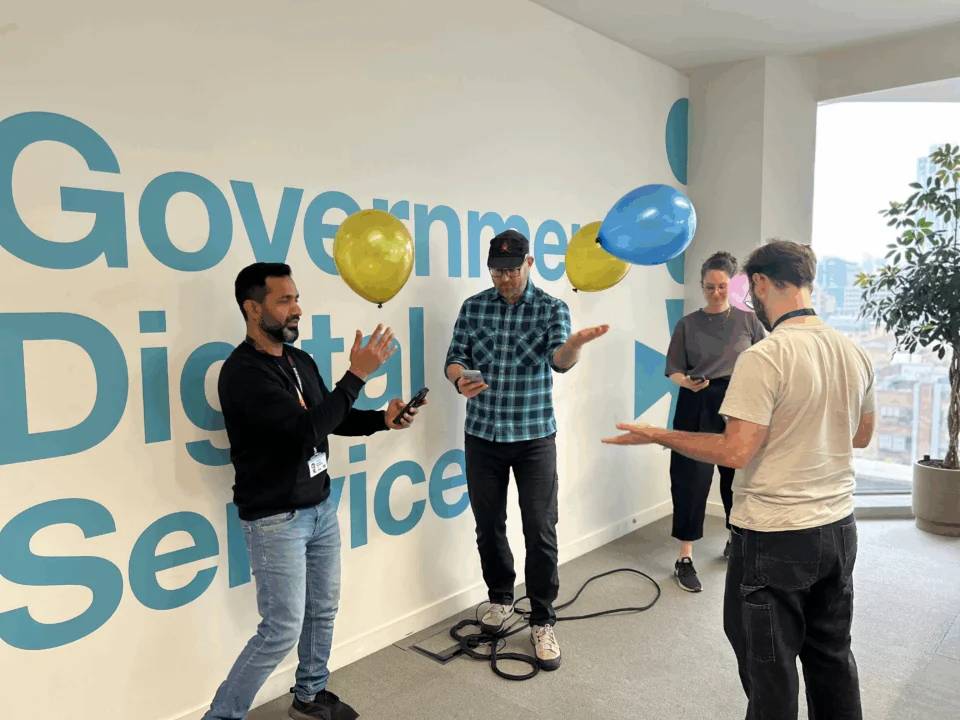
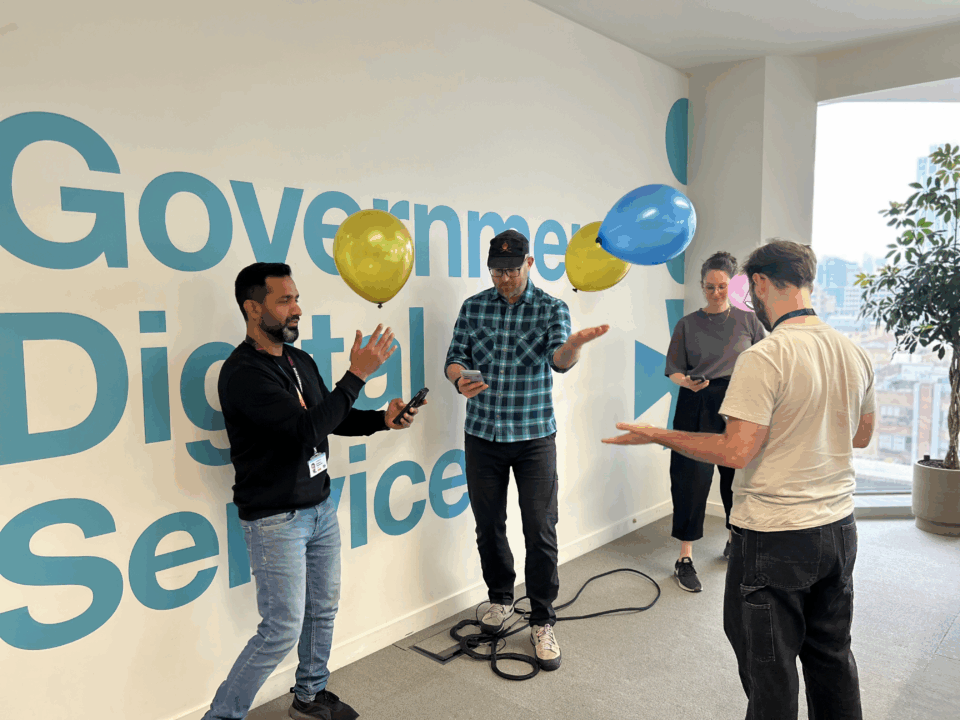
- Simulations and Empathy Games: The use of "empathy balloons" or motor-control limiting gloves helps designers understand the physical and cognitive frustrations of users. However, the team cautions that these are simulations and should never replace direct research with people who have lived experience of disabilities.
- Universal Standards: Referencing the work of Tim Berners-Lee and the World Wide Web Consortium (W3C), GDS maintains that the power of the web lies in its universality.
Broader Implications and the Future of IA
The implications of accessible information architecture extend far beyond technical compliance. In a democratic society, access to information is a fundamental right. When a government service is inaccessible, it effectively disenfranchises a portion of the population. By prioritizing IA, GDS is working to ensure that the digital "front door" of the state is open to everyone, regardless of their physical or cognitive abilities.
Looking forward, the integration of Artificial Intelligence (AI) and advanced metadata offers new opportunities for accessibility. Sally Creasey suggests that as AI improves, it may be possible to serve highly tailored content to users based on their specific access needs and preferred channels. However, this future depends on the quality of the underlying information architecture. Without a clean, logical structure and rich metadata, AI tools will be unable to accurately parse and present information to those who need it most.
In conclusion, the work of information architects at GDS serves as a blueprint for both public and private sector organizations. By treating accessibility as a structural requirement rather than a visual afterthought, they are creating a digital environment that is not only compliant with the law but is also more efficient, trustworthy, and inclusive for all citizens. The "Unlocking Accessibility" series continues to serve as a vital resource for professionals seeking to navigate the complexities of modern, inclusive digital design.