Contextualizing the Policy Debate
The Zero Tolerance Policy, a fixture at NAD-sponsored biennial national conferences and authorized organizational events for several years, was originally instituted as a safeguard against discrimination, harassment, bullying, and systemic abuse. The policy serves as the primary mechanism for maintaining professional standards and participant safety during large-scale gatherings where thousands of deaf and hard-of-hearing individuals convene to discuss legislative advocacy, educational reform, and cultural preservation.
However, the term "zero tolerance" has increasingly drawn fire from social justice advocates and civil rights organizations across the United States. Critics argue that the terminology, which gained prominence in American public policy during the 1980s and 1990s, is inextricably linked to punitive, carceral frameworks—such as those implemented in schools and the criminal justice system—that have historically resulted in disproportionate disciplinary outcomes for marginalized populations. Within the context of the NAD, community members have expressed concern that such language may inadvertently perpetuate exclusionary practices rather than fostering the culture of belonging that the organization seeks to champion.
A Chronology of Internal and External Feedback
The internal debate regarding the policy reached a critical juncture in the months leading up to the mid-2026 review announcement. While the policy was designed to protect participants from harm, the disconnect between its intent and its perceived impact prompted a series of formal inquiries from stakeholders.
- Policy Inception: The Zero Tolerance Policy was integrated into NAD organizational governance to provide a clear, enforceable standard of conduct for all attendees of national conferences and programs.
- Mounting Community Concern: During recent biennial cycles, feedback regarding the policy’s rigidity grew. Critics highlighted that the "zero tolerance" model often leaves little room for nuance, restorative dialogue, or individual accountability, potentially mirroring the very systems of oppression that the NAD often works to dismantle through its advocacy.
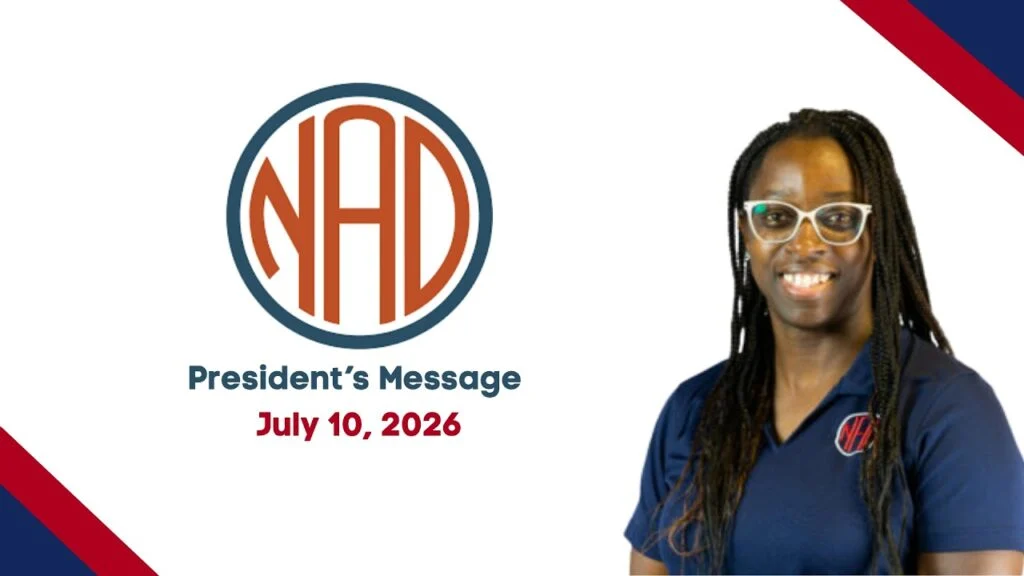
- Formal Review Announcement: On July 10, 2026, the NAD Board of Directors formally acknowledged the necessity of a review process. This decision followed a period of private internal deliberation and public discourse on social media and at regional community meetings.
- Current Status: As of July 2026, the review is in its preliminary stages. The Board has maintained the existing policy during the review period to ensure that legal and safety protections remain active for all participants, while simultaneously opening channels for community input.
Analysis of Organizational Implications
The NAD’s decision to review its nomenclature represents a growing trend among non-profit organizations and advocacy groups to modernize their governing documents. By moving away from terminology associated with punitive justice, the organization is attempting to align its internal procedures with its external mission of empowerment and human rights.
Data from the non-profit sector suggests that organizations prioritizing restorative justice over punitive measures see higher rates of participant engagement and trust. A study on organizational culture indicates that when policy language is perceived as exclusionary or overly authoritarian, it can suppress reporting of genuine harassment, as victims may fear the rigid, "all-or-nothing" nature of the enforcement process. By shifting the focus toward accountability and restorative approaches, the NAD could theoretically improve its ability to address interpersonal conflicts while mitigating the alienation that traditional punitive language often induces.
Official Stance and Board Commitment
In her address to the community, President Stephanie Hakulin emphasized that the Board does not intend to discard the protections currently in place. Instead, the objective is to refine the language to better reflect the values of equity, inclusion, and dignity.
"We recognize that the phrase ‘zero tolerance’ carries significant historical context and has been associated with policies and practices that resulted in disproportionate harm and inequitable outcomes for marginalized communities," Hakulin noted in the official announcement. "We also recognize that members of our community may experience this language differently because of those historical associations. It is important that NAD’s policies and language reflect our values of equity, inclusion, accountability, fairness, respect, and belonging."
The Board has indicated that no final decisions have been made regarding the specific terminology that may replace "zero tolerance." The review process is intended to be transparent, with the Board pledging to share updates as they move forward. This approach aims to address the community’s desire for a more inclusive organizational structure while maintaining a safe environment for all participants.
Sociological and Legislative Context
The broader debate surrounding "zero tolerance" policies is rooted in the history of institutional reform. In many academic and professional settings, these policies were initially viewed as the most effective way to eliminate bullying and harassment. However, empirical studies in educational sociology have shown that such policies often fail to address the root causes of conflict and can result in the marginalization of vulnerable groups.
For the NAD, which serves a diverse population of deaf and hard-of-hearing individuals who often face intersecting challenges regarding accessibility and systemic discrimination, the stakes are particularly high. The organization’s willingness to re-examine its own internal policies demonstrates an awareness of the power dynamics inherent in advocacy work. By inviting community feedback, the NAD is attempting to bridge the gap between organizational authority and the democratic values it promotes on the national stage.
Stakeholder Reactions and Future Outlook
The reaction from the broader deaf community has been mixed, reflecting the diverse perspectives within the organization. Some stakeholders argue that the focus should remain on the effectiveness of the policy rather than the semantics, while others contend that the terminology is a fundamental barrier to creating a truly inclusive environment.
"Accountability does not require punitive language," says one representative of a community-based advocacy group. "If the NAD can develop a policy that prioritizes the dignity of all parties while still enforcing strict consequences for harassment, it will set a positive precedent for other disability rights organizations."
Moving forward, the NAD Board of Directors faces the challenge of balancing the need for rigorous protection against the desire for a more compassionate and restorative disciplinary framework. The review process will likely involve consultations with legal experts, diversity and inclusion specialists, and representatives from the deaf community to ensure that any potential revisions are legally sound and culturally sensitive.
The Board has confirmed that until the review is concluded, all reports of misconduct will continue to be processed under the existing policy. This continuity is essential for the legal protection of the organization and the safety of its members. The organization’s commitment to "open and honest communication" will serve as the guiding principle as it navigates this transition.
Ultimately, the outcome of this review will be a significant indicator of the NAD’s ability to evolve alongside the changing social landscape. As the organization prepares for future biennial conferences, the success of this initiative will likely depend on its transparency and its ability to synthesize the diverse needs of its constituency into a cohesive, fair, and effective policy framework. The promise that "together, we NAD rise" serves as both a mantra for the organization and a standard against which its future actions will be measured. The Board’s dedication to this review process underscores an organizational ethos that prioritizes learning and adaptation over static adherence to tradition, a hallmark of resilient and forward-thinking institutions.