The Evolution of Digital Inclusivity and GAAD
Global Accessibility Awareness Day was first launched in 2012, born from a single blog post by a web developer that sparked a worldwide movement to get people talking, thinking, and learning about digital access and inclusion. By 2025, the landscape of accessibility has been transformed by the rapid advancement of assistive technologies and the implementation of stringent international standards, such as the Web Content Accessibility Guidelines (WCAG) 2.2.
For organizations planning to mark GAAD 2025, the challenge lies in moving beyond symbolic gestures toward the creation of truly accessible environments. According to data from the World Health Organization (WHO), approximately 1.3 billion people—or 1 in 6 people worldwide—experience significant disability. In the United Kingdom, figures from the Department for Work and Pensions suggest that there are 16 million people living with a disability, representing a significant portion of the workforce and the consumer market. When online events fail to account for these demographics, they effectively exclude nearly 20% of their potential audience.
Phase One: Strategic Planning and Audience Analysis
The foundation of an accessible event is laid long before the first slide is presented. Experts suggest that a "shift-left" approach—integrating accessibility at the earliest stages of planning—is the most cost-effective and efficient method for ensuring inclusivity.
Comprehensive Audience Mapping
The first step in planning involves a deep understanding of the audience’s diverse needs. Standard registration forms are increasingly being replaced by comprehensive pre-event surveys that specifically inquire about accessibility requirements. This allows organizers to arrange for specific accommodations, such as British Sign Language (BSL) interpreters or real-time captioning services, well in advance.
Platform Capability Assessment
Not all digital conferencing platforms are created equal. In 2025, the selection of a hosting platform must be predicated on its compatibility with assistive technologies. Organizations must evaluate whether a platform supports screen readers, offers high-contrast modes, and allows for keyboard-only navigation. A critical component of this evaluation is the "testing phase," where organizers simulate the attendee experience using various devices and accessibility tools to identify potential friction points.
The Architecture of the Agenda
Inclusive planning also extends to the structure of the event itself. Cognitive load and physical fatigue are significant factors for many participants. Modern best practices dictate the inclusion of frequent, substantial breaks. While a five-minute pause may suffice for some, those who need to manage medication, navigate physical spaces, or rest their eyes from screen glare require longer intervals. A 15-minute break for every hour of content is now widely regarded as the inclusive standard.
Phase Two: Communication, Promotion, and Material Design
Communication serves as the gateway to any event. If the promotional materials are inaccessible, the event is effectively closed to a segment of the population before it even begins.
The Principles of Clear Communication
Professional journalistic standards for accessibility emphasize the use of "Plain English." Avoiding jargon and complex sentence structures ensures that information is digestible for neurodivergent individuals and non-native speakers. Furthermore, all promotional content must adhere to high-contrast visual standards. Data from the Royal National Institute of Blind People (RNIB) indicates that poor color contrast is one of the most common barriers to digital information for the two million people in the UK living with sight loss.
Multi-Format Resource Distribution
Providing materials in a single format is no longer sufficient. To be truly inclusive, event organizers are encouraged to provide resources in multiple formats, including Braille-ready files, large print PDFs, and audio summaries. Providing these materials well in advance of the event allows participants using screen readers to familiarize themselves with the content, enabling them to follow the live presentation more effectively.
Transparency in Event Logistics
Invitations should clearly outline what participants can expect. This includes a detailed timeline, a list of speakers, and a description of any interactive elements, such as breakout rooms or live polling. Advanced notice of group work is particularly vital for individuals with social anxiety or those who require extra time to process information and prepare their contributions.
Phase Three: Real-Time Execution and Technical Standards
During the live broadcast of a meeting or webinar, the responsibility shifts to real-time technical management and speaker conduct.
Audio-Visual Clarity
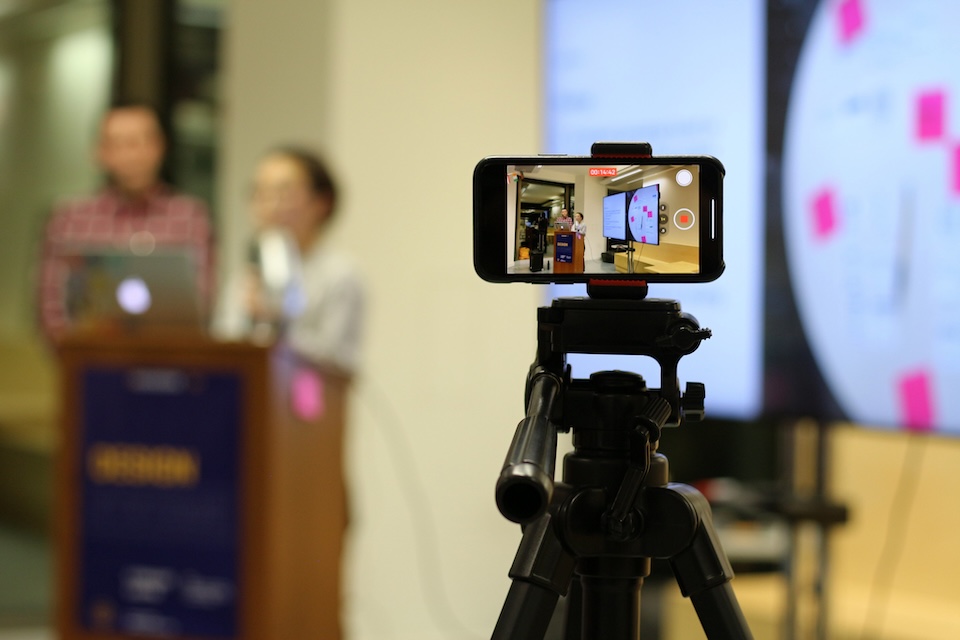
The quality of the presentation environment is a major factor in accessibility. Speakers are advised to use dedicated headsets to ensure high-fidelity audio, which is essential for both human listeners and automated captioning software. Lighting is equally critical; clear, front-facing light allows participants who rely on lip-reading to follow the speaker’s movements.
Live Captioning and Interpretation
The provision of live captioning is now considered a non-negotiable standard for professional events. While AI-generated captions have improved significantly by 2025, they often struggle with technical terminology and diverse accents. For high-stakes conferences, the use of Communication Access Real-time Translation (CART) providers—human captioners—is recommended to ensure 99% accuracy. Additionally, ensuring that sign language interpreters are "pinned" or always visible on the screen is a fundamental requirement for the inclusion of the Deaf community.
Interactive Feature Monitoring
During the event, a dedicated "Accessibility Monitor" should be assigned to manage the chat and technical support channels. This individual is responsible for identifying and resolving accessibility issues in real-time, such as a participant being unable to access a poll or a screen share not being described verbally by a presenter.
Phase Four: Post-Event Accountability and Data Retention
The conclusion of the live session does not mark the end of the accessibility workflow. The post-event phase is crucial for long-term engagement and continuous improvement.
The Value of Permanent Records
Making recordings and full transcripts available shortly after the event is a key accessibility feature. This allows attendees to review complex information at their own pace and provides access to those who were unable to attend due to health issues or conflicting schedules. Transcripts should be edited for accuracy to ensure they serve as a reliable reference.
The Feedback Loop
To improve future iterations, organizations must solicit specific feedback on the accessibility of the event. Analyzing this data allows organizers to identify recurring issues and measure the success of their inclusivity initiatives. Following up directly with individuals who requested specific accommodations shows a commitment to person-centered service and provides invaluable insights into the effectiveness of the support provided.
Analysis of Implications: The "Curb-Cut Effect" and Legal Compliance
The drive toward accessible online events is fueled by two primary factors: legal mandates and the "Curb-Cut Effect." In the United Kingdom, the Equality Act 2010 requires organizations to make "reasonable adjustments" to ensure disabled people are not at a substantial disadvantage. For public sector bodies, the 2018 accessibility regulations provide a specific legal framework for digital services.
However, the benefits of these measures extend far beyond the disabled community—a phenomenon known in urban planning as the "Curb-Cut Effect." Just as sidewalk ramps designed for wheelchairs ended up benefiting parents with strollers and travelers with luggage, digital accessibility features benefit everyone. Captions are used by people in noisy environments or those watching on mute; clear, structured agendas benefit everyone’s time management; and recorded sessions allow for flexible learning across all demographics.
From an economic perspective, the "Purple Pound"—the spending power of disabled households—is estimated at £274 billion per year in the UK alone. Businesses that fail to host inclusive events are effectively ignoring a massive market segment. Furthermore, inclusive internal meetings foster a more diverse workforce, which has been linked to higher levels of innovation and employee retention.
Conclusion
As Global Accessibility Awareness Day 2025 approaches, the message from the Government Digital Service and accessibility experts is clear: accessibility is not a "bolt-on" feature but a fundamental aspect of digital citizenship. By adopting a rigorous, structured approach to planning, communication, and execution, organizations can ensure that their online events are not just broadcasts, but inclusive platforms for genuine exchange. In a world that is increasingly defined by digital interaction, the commitment to accessibility is a commitment to ensuring that no one is left behind in the silent corners of the internet.