
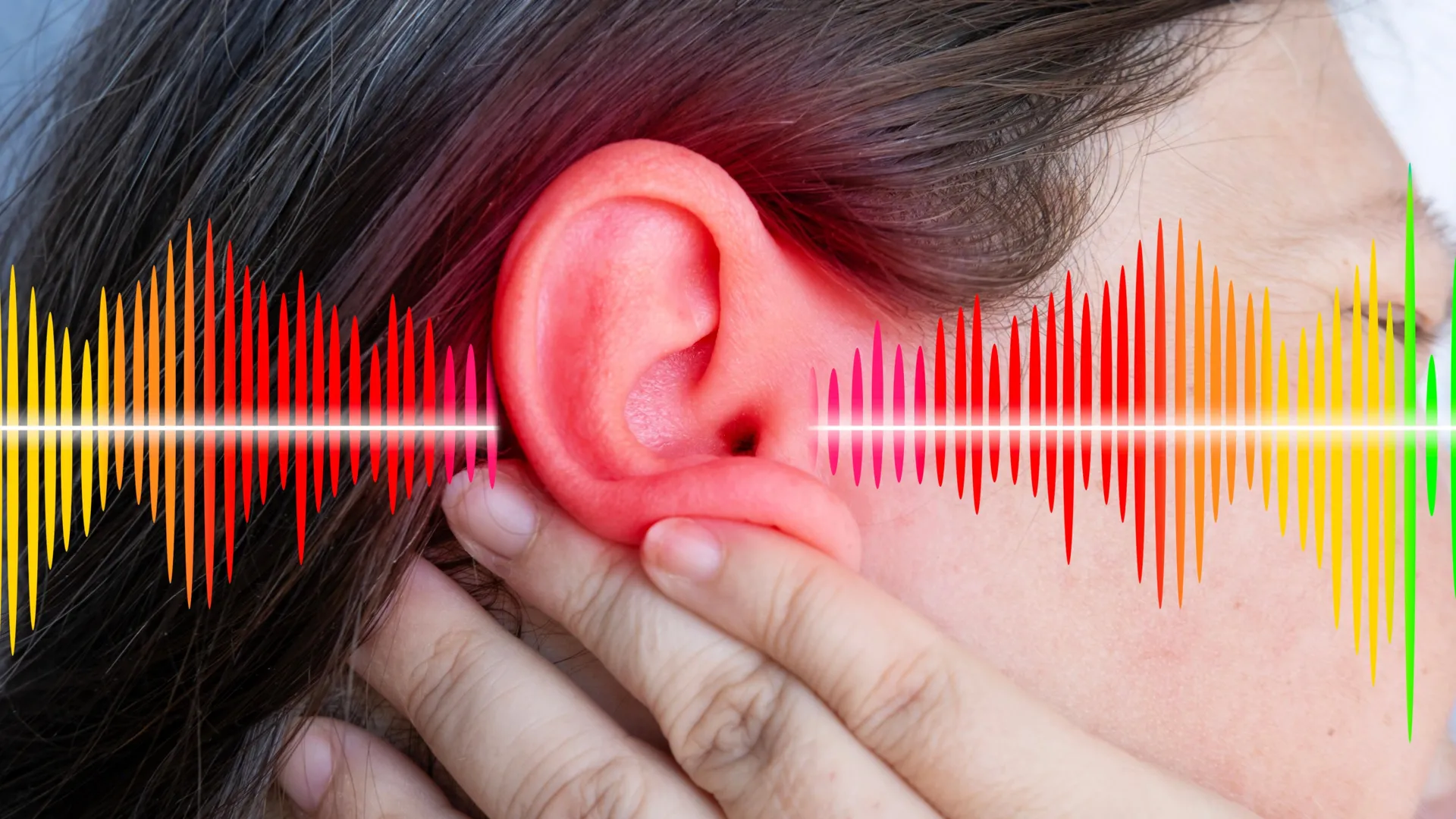
Tinnitus is a complex audiological and neurological condition characterized by the perception of sound in the absence of an external acoustic stimulus. For those afflicted, the experience can range from a minor annoyance to a debilitating condition that triggers severe anxiety, clinical depression, and sleep disturbances. Despite its prevalence, the underlying causes of tinnitus have remained largely elusive to the scientific community, often leaving patients with limited treatment options. This latest research marks a pivotal step toward understanding the "phantom sounds" that disrupt the lives of an estimated 14% of the global population.
The Serotonin Connection and the Role of SSRIs
The focus of the study centers on the interaction between serotonin and the auditory system, particularly within the context of Selective Serotonin Reuptake Inhibitors (SSRIs). SSRIs are among the most frequently prescribed medications for moderate to severe depression and anxiety. These drugs work by increasing the levels of serotonin in the synaptic clefts of the brain, theoretically improving mood and emotional stability. However, a subset of patients has long reported that their tinnitus symptoms worsened shortly after beginning a regimen of SSRIs.
Dr. Laurence Trussell, Ph.D., a professor of otolaryngology in the OHSU School of Medicine and a lead scientist at the OHSU Vollum Institute, noted that these findings carry immediate implications for clinical practice. He emphasized that while SSRIs are vital for managing psychiatric conditions, their impact on the auditory system cannot be ignored. According to Trussell, the study highlights a "delicate balance" that physicians must navigate when treating patients who suffer from both depression and tinnitus.
The research suggests that the very chemical intended to alleviate emotional distress may be inadvertently "turning up the volume" on the neural activity responsible for tinnitus. This creates a challenging clinical scenario: patients often experience depression because of their tinnitus, yet the treatment for that depression may heighten the auditory phantom sounds, creating a feedback loop of distress.
Methodology: Optogenetics and the Mouse Model
To investigate the link between serotonin and auditory perception, the research team employed sophisticated techniques in mouse models. The primary tool used was optogenetics, a biological technique that involves the use of light to control neurons that have been genetically sensitized to light-responsive proteins. This allowed the scientists to stimulate specific serotonergic neurons with extreme precision, observing the subsequent effects on the brain’s auditory processing centers.
The researchers focused on the dorsal cochlear nucleus, a region of the brainstem where auditory information is first processed and where tinnitus is believed to originate. By activating the serotonin-producing neurons that project into this area, the team observed an immediate increase in the firing rates of the neurons responsible for processing sound.
To determine if the mice were actually "experiencing" tinnitus, the researchers utilized a modified version of the auditory startle test. In this behavioral assessment, the presence of tinnitus-like symptoms is inferred based on how the animal reacts to gaps in background noise. The results were consistent: when serotonin levels were artificially elevated, the mice exhibited behaviors that aligned with the perception of phantom noise. Conversely, when the researchers deactivated the specific serotonin circuit, the tinnitus-like symptoms were significantly ameliorated.
A Chronology of Discovery
The latest findings published in PNAS are the result of a multi-year investigative path. The groundwork for this study was laid in 2017, when preliminary research suggested that certain cells in the auditory cortex were sensitive to serotonin. At that time, however, the exact pathway remained a mystery.
Dr. Zheng-Quan Tang, Ph.D., currently of Anhui University, began this specific project while serving as a postdoctoral scholar in Dr. Trussell’s laboratory at OHSU. Over several years, Tang and Trussell refined their focus from a general interest in serotonin to the specific identification of the circuit connecting the raphe nucleus (the brain’s primary serotonin source) to the dorsal cochlear nucleus.
The timeline of this research reflects a broader shift in the field of audiology. For decades, tinnitus was viewed primarily as a problem of the ear itself. However, the last ten years of neurological research have shifted the focus toward the brain’s "gain control" mechanisms. This study serves as a cornerstone in that transition, proving that the brain’s internal chemical environment can generate sound perception entirely independent of the ears.
Supporting Data: The Global Burden of Tinnitus
The significance of the OHSU and Anhui University study is underscored by the sheer scale of the tinnitus epidemic. Data from the World Health Organization (WHO) and various national health institutes suggest that tinnitus is one of the most common chronic health conditions in the world.
- Global Prevalence: Approximately 740 million adults worldwide experience tinnitus in some form.
- Severity: Roughly 120 million people (nearly 2% of the global population) describe their tinnitus as "severe" or "distressing," meaning it interferes with basic daily functions.
- Demographics: While more common in older adults due to age-related hearing loss, tinnitus is increasingly reported in younger populations, often linked to high-decibel noise exposure from personal audio devices.
- Economic Impact: In the United States alone, the Veterans Administration (VA) reports that tinnitus is the leading service-connected disability, with compensation payments totaling billions of dollars annually.
The discovery of the serotonin circuit provides a potential biological explanation for why a significant portion of these hundreds of millions of people do not find relief through standard audiological interventions.
Clinical Implications and Professional Reactions
The medical community has reacted to the study with a mixture of caution and optimism. Audiologists have long noted the correlation between SSRI use and tinnitus complaints, but without a clear mechanism, these reports were often dismissed as anecdotal or attributed to the patient’s underlying anxiety.
"This study highlights the importance of clinicians recognizing and validating patient reports of medication-associated increases in tinnitus," Dr. Trussell stated. He urged prescribing physicians to work closely with patients to find a "drug regimen that gives them a balance between relief of psychiatric symptoms… while minimizing the experience of tinnitus."
Psychiatrists, meanwhile, face the challenge of treating depression in patients for whom SSRIs may be contraindicated due to auditory side effects. The research suggests that in the future, the "one-size-fits-all" approach to serotonin modulation may need to be replaced by more targeted therapies.
Analysis: The Future of Tinnitus Treatment
The identification of a specific brain circuit opens the door to a new generation of pharmacological treatments. Current antidepressants are "systemic," meaning they increase serotonin throughout the entire brain. This is why a drug intended to help the prefrontal cortex (mood) can negatively affect the dorsal cochlear nucleus (hearing).
The research points toward the possibility of developing "region-specific" or "receptor-specific" drugs. If scientists can identify the exact type of serotonin receptor responsible for the excitation in the auditory system, they could potentially develop a medication that blocks that receptor while allowing serotonin to continue its beneficial work in the areas of the brain responsible for mood.
Furthermore, this study validates the use of optogenetics as a roadmap for human treatment. While optogenetics cannot currently be used in humans, the "circuit map" it provides allows researchers to target those same areas using non-invasive methods such as Transcranial Magnetic Stimulation (TMS) or specialized deep-brain stimulation protocols.
Conclusion: A Paradigm Shift in Auditory Science
The work of Trussell, Tang, and their colleagues represents a paradigm shift in how we understand the relationship between mental health and sensory perception. It confirms that the brain’s emotional and sensory systems are not isolated silos but are deeply interconnected through complex neurochemical pathways.
As the scientific community continues to digest these findings, the focus will likely shift to human clinical trials to see if the "off switch" found in mice can be replicated safely in people. For the millions of people who live with the constant, intrusive sound of tinnitus, this research offers more than just an explanation—it offers the first real hope for a targeted, biological cure.
The study was supported by the National Institutes of Health (NIH) under award RO1DC004450. While the NIH provided the funding, the researchers noted that the findings are their own and do not necessarily represent the official views of the federal agency. This independence underscores the objective nature of the research as it moves from the laboratory to the forefront of clinical audiology.