The Origins and Prevalence of Microtia Atresia
Microtia occurs in approximately one in every 6,000 to 12,000 births, with atresia frequently co-occurring. The condition results in conductive hearing loss, as sound waves are physically unable to reach the inner ear through the traditional canal. The Ear Community initiated this awareness day to shift the narrative from a focus on cosmetic differences to the functional challenges associated with single-sided deafness (SSD).
In the past, clinical guidelines often suggested that children with one functioning ear would naturally compensate for their hearing loss, leading to a "wait and see" approach in schools and medical settings. Modern audiological data, however, contradicts this. Research now indicates that UHL creates distinct hurdles, particularly in environments with background noise, such as classrooms or social gatherings. The brain requires binaural input—sound from both ears—to effectively localize the direction of a sound source and to isolate speech from ambient noise. When one ear is compromised, the brain must work significantly harder to filter auditory information, often leading to "listening fatigue," a phenomenon where the effort required to concentrate on speech results in exhaustion, irritability, and diminished academic performance.
The Chronology of Intervention: A Framework for Success
The journey for a child with microtia atresia typically begins with a diagnosis in the newborn hearing screening, though the severity may not be fully understood until later diagnostic imaging. For many families, the trajectory involves a transition from medical diagnosis to specialized auditory therapy.
In the critical birth-to-three window, the focus is on early intervention. This is the period of maximum neuroplasticity, where the brain is most receptive to developing auditory pathways. Organizations such as Listen and Talk utilize the Listening and Spoken Language (LSL) methodology to provide a roadmap for parents. By coaching families, therapists ensure that the home environment is optimized for auditory input. As the child grows, the transition to school requires a different set of strategies, often involving assistive technology such as bone-conduction hearing devices (like the Ponto), which bypass the malformed ear canal to send vibrations directly to the cochlea.
Clinical Insights: The LSL Methodology
The Listening and Spoken Language (LSL) approach is predicated on the idea that children with hearing loss can learn to listen and talk with the same proficiency as their hearing peers if provided with the right tools and strategies. For children with UHL, LSL is not merely about speech; it is about cognitive load management.
LSL specialists work to improve the "signal-to-noise ratio" for the child. This includes teaching parents how to position themselves during conversation, how to reduce environmental noise in the home, and how to advocate for appropriate accommodations in public school settings, such as preferential seating or the use of FM systems. By formalizing these strategies, the child learns to leverage their residual hearing while developing the self-advocacy skills necessary to navigate a world designed for typical hearing.
A Case Study in Resilience: The Story of Adeline
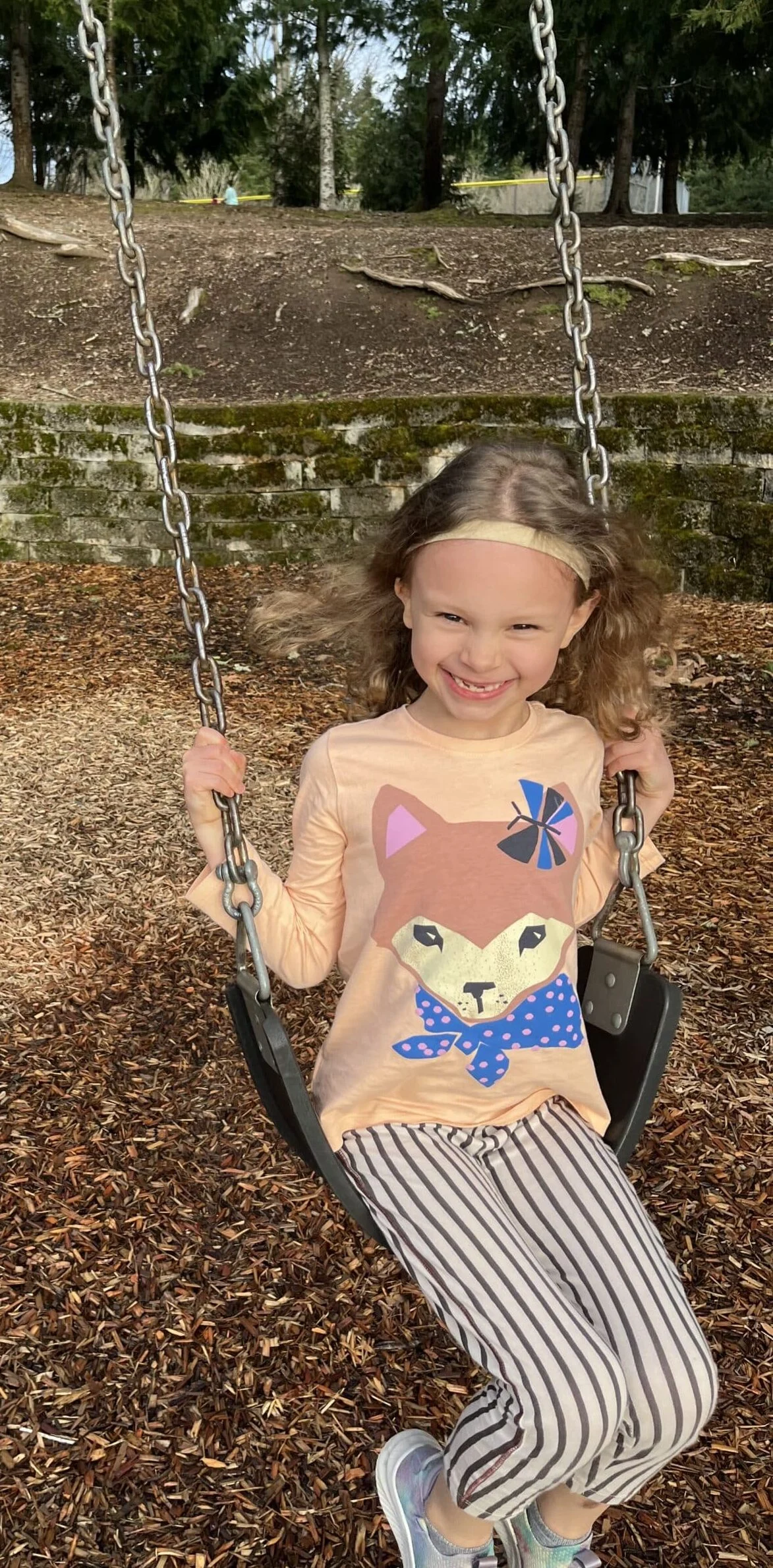
The lived experience of families provides the most compelling evidence for the efficacy of early intervention. Adeline, a young student currently in the first grade, serves as a poignant example of the transition from clinical diagnosis to thriving inclusion. Diagnosed at five weeks old with unilateral moderate-to-severe conductive hearing loss, Adeline’s early years were marked by the common struggles of UHL: difficulty localizing sound and a reluctance to engage in social settings where auditory processing was taxed.
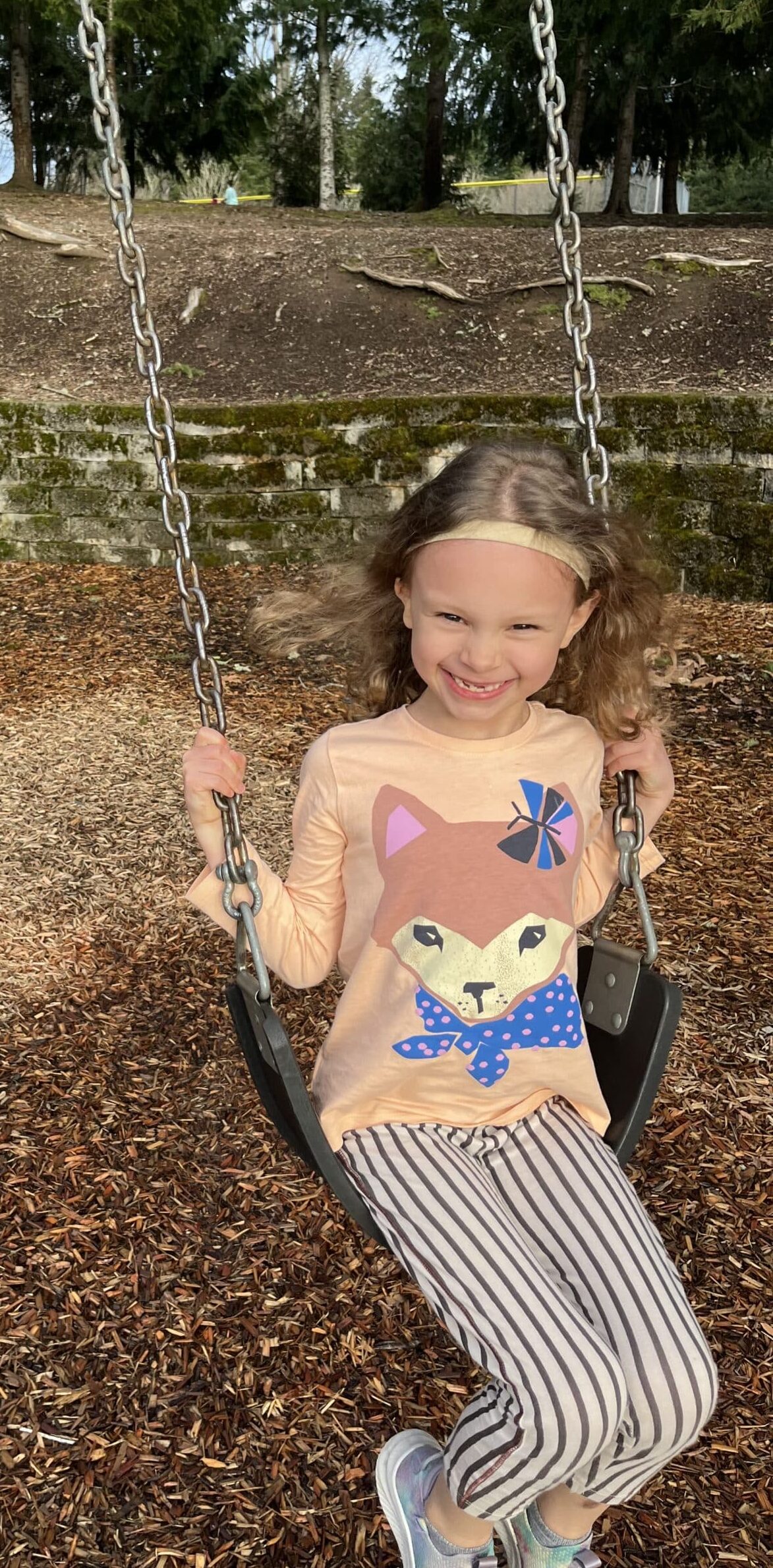
Her mother, Jessie, recalls the early frustration associated with listening fatigue. "She wouldn’t communicate much outside of her safe spaces," Jessie notes. "She could become frustrated when others didn’t understand her, or when she was simply exhausted from the constant effort of listening."
The intervention process at Listen and Talk provided the family with more than just clinical support; it provided a framework for advocacy. Over several years, the therapy sessions evolved from coaching the parents to coaching Adeline herself. By the time she entered the public school system, she possessed the confidence to explain her hearing device, the Ponto, to her peers. Today, she participates in school activities, including the choir, and maintains a high level of academic and social engagement. This outcome underscores the core mission of modern pediatric audiology: ensuring that a congenital condition does not become a permanent barrier to potential.
Implications for Education and Policy
The shift in perspective toward UHL has profound implications for the educational sector. As awareness of microtia atresia grows, schools are increasingly tasked with recognizing the "hidden" nature of the disability. Unlike physical disabilities that are immediately apparent, UHL is invisible, leading to situations where teachers may interpret a child’s lack of focus or fatigue as behavioral issues rather than physiological ones.
Educational researchers advocate for universal screening and a more robust understanding of auditory fatigue among educators. Furthermore, the role of community-based organizations in providing support systems—such as Washington Hands and Voices—cannot be overstated. These groups provide a bridge between medical professionals and the daily realities of raising a child with hearing loss, fostering a sense of community that mitigates the isolation parents often feel following a diagnosis.
Broader Impact and Moving Forward
As the medical community continues to refine surgical interventions for microtia—such as reconstructive procedures and advanced bone-anchored hearing systems—the focus remains steadfast on the child’s quality of life. The objective is to move beyond the technical aspects of the condition to support the child’s emotional and social development.
For those navigating a recent diagnosis, the path forward involves three primary pillars: education, advocacy, and community. Informational resources, such as those provided by the Ear Community and Listen and Talk, serve as the foundational knowledge base. Professional consultation with LSL specialists ensures that the child receives personalized support, while local organizations provide the peer-to-peer support essential for long-term emotional health.
The financial and social commitment to these programs remains vital. By supporting social impact enterprises and nonprofits that provide these specialized services, society invests in the future of children who, with the right resources, are not limited by their hearing loss. The goal of "no child is limited by hearing loss" is a standard of excellence that requires ongoing investment in audiology, therapy, and parent education.
As National Microtia Atresia Awareness Day continues to gain prominence, the collective goal is to ensure that every child born with this condition has the same access to developmental opportunities as any other. Through early identification, the application of LSL principles, and the empowerment of the children themselves, the narrative surrounding microtia and atresia is changing—from one of limitation to one of boundless potential. The success stories of children like Adeline are not just outcomes of medical care; they are the result of a comprehensive, empathetic, and persistent commitment to inclusive development.