The Scope of the OSHA Investigation
The regulatory scrutiny began when OSHA inspectors performed an unannounced site visit to the Norwich service center. The subsequent inspection report painted a concerning picture of daily operations, citing the company for seven distinct workplace safety violations. These infractions were not merely administrative in nature but represented tangible threats to the physical well-being of the staff working on the service floor.

The primary concerns cited by federal investigators centered on pervasive environmental hazards. Specifically, the inspection revealed that the storage area floor was frequently contaminated with spilled engine oil and transmission fluid. These slick, poorly maintained surfaces created a persistent risk for slip-and-fall accidents, which remain one of the most common causes of workplace injury in the automotive repair industry. Further complicating the environment, inspectors documented exterior spaces that were cluttered with commercial debris and stacks of discarded tires, creating significant trip hazards and potential fire safety issues.
Beyond the physical layout, investigators highlighted failures in chemical and electrical safety. The presence of oily rags—which, if improperly stored, present a high risk of spontaneous combustion—were found piled in open areas rather than being kept in the required, fire-retardant, closed metal containers. The electrical infrastructure also showed signs of neglect, with inspectors identifying damaged electrical conduits that could lead to shock or fire. Furthermore, the facility lacked a dedicated, accessible eyewash station in the vicinity of battery maintenance areas, a critical safety requirement for workers handling hazardous sulfuric acid and lead-acid components.
Escalation: The Repeat Violation
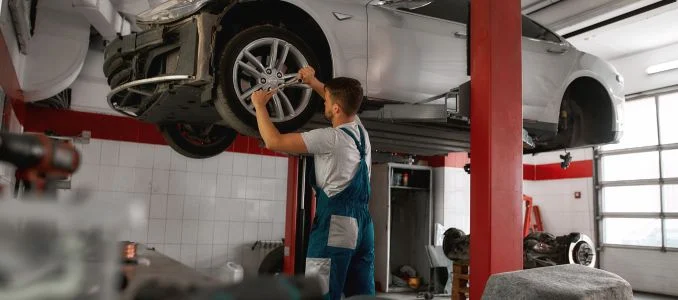
Perhaps the most alarming finding in the OSHA report involved a repeat violation regarding crushing hazards. The agency discovered that a four-post rotary lift, a piece of heavy machinery essential to the facility’s operations, was operating with a broken safety latch cable. Rather than taking the lift out of commission or ordering an immediate repair, the facility had attempted a dangerous, makeshift fix by securing the mechanism with a pair of vice grips.

The use of improvised tools to secure heavy-duty automotive lifts is a critical violation of OSHA standards, which mandate that all lifting equipment be maintained according to manufacturer specifications and certified safety protocols. By relying on vice grips, the facility knowingly subjected technicians to the risk of vehicle collapse—a catastrophic failure that, if realized, could result in fatal injuries. The fact that this was categorized as a repeat violation suggests that Monro had been previously warned about similar failures in their maintenance practices, underscoring a systemic failure in the company’s internal safety auditing processes.
Chronology of the Dispute
The timeline of this incident reflects the standard adversarial process between corporations and federal regulators. Following the initial citations, Monro Inc. opted to exercise its legal right to contest the findings. The case was brought before the Occupational Safety and Health Review Commission, an independent agency created to adjudicate disputes between OSHA and employers.
During the period of contestation, Monro maintained that their safety practices were sufficient or that the findings were subject to interpretation. However, as the legal process moved forward, the company eventually shifted its position. By agreeing to the $174,000 settlement, Monro has effectively waived its right to further appeal the citations and has committed to a formal program of remediation. The settlement serves as a final resolution, closing the investigation while ensuring that the Norwich facility—and the company as a whole—must now meet specific federal mandates to ensure future compliance.

The Role of the New Anonymous Hotline
A cornerstone of the settlement agreement is the introduction of a new, free, and anonymous employee safety hotline. This system will be accessible to staff across all 1,100 of Monro’s automotive service locations nationwide. The objective of this reporting system is to create a direct conduit between shop-floor employees and corporate safety personnel, bypassing local management hierarchies that may have previously discouraged the reporting of safety hazards.
Industry experts note that such hotlines are becoming an increasingly common feature in corporate settlements. The goal is to shift the safety culture from a top-down mandate to a bottom-up collaborative effort. By allowing technicians and service staff to flag issues—such as faulty lifts, chemical spills, or inadequate personal protective equipment (PPE)—without fear of retaliation, Monro aims to identify and address hazards before they result in accidents or regulatory intervention.
Industry Context and Statistical Implications
The automotive repair and service industry is notoriously hazardous. According to the Bureau of Labor Statistics (BLS), motor vehicle repair shops consistently record injury rates that exceed the national average for private industry. Common hazards include exposure to toxic substances, chemical burns, musculoskeletal injuries from lifting, and trauma from heavy machinery.

The $174,000 penalty, while significant for a single location, serves as a broader warning to the industry. OSHA has signaled an increasing focus on "repeat offenders" and companies with large footprints. For a corporation like Monro, the financial cost of the fine is secondary to the potential reputational damage and the administrative burden of implementing a new, company-wide safety infrastructure. The requirement to monitor 1,100 locations via a new hotline represents a long-term commitment that will likely necessitate an increase in safety training budgets and potential changes in how local managers are held accountable for facility maintenance.
Broader Impact and Future Outlook
The resolution of this case underscores the importance of the General Duty Clause of the Occupational Safety and Health Act, which requires employers to provide a workplace free from recognized hazards that are causing or are likely to cause death or serious physical harm. Even in the absence of specific standards for every possible hazard, the clause allows OSHA to cite employers for conditions like those found at the Monro facility.
Moving forward, the automotive service industry is expected to face continued scrutiny as vehicle technology evolves. With the rise of electric vehicles, the nature of shop hazards is changing to include high-voltage battery systems, which require specialized training and equipment. The issues identified at the Norwich site—particularly those related to maintenance and hazardous materials—highlight a fundamental need for standardized safety management systems that do not rely on local improvisation.

For Monro Inc., the path forward involves demonstrating that they can effectively pivot toward a culture of safety. The success of the anonymous hotline will depend largely on the company’s commitment to acting on the information received. If the system is used to proactively address equipment failures and housekeeping issues, it may serve as a model for the company’s internal oversight. However, if the reporting system fails to yield actionable results, the company could face even stricter oversight and higher penalties in future inspections.
Ultimately, this settlement serves as a reminder that safety is a non-negotiable operational cost. The $174,000 penalty is not merely a fine, but a diagnostic indicator of a need for systemic reform. As OSHA continues to prioritize the protection of workers in high-risk environments, automotive providers across the country will be watching to see how effectively Monro integrates these new safety protocols into their daily operations. The outcome of this agreement may well define the standard for corporate responsibility in the automotive service sector for the coming years.