The Evolving Capabilities of Cochlear Implants
For decades, the medical community and hearing loss advocates have worked to demystify cochlear implants, addressing common misconceptions about their limitations. The reality, as evidenced by a growing body of user experiences and technological enhancements, is that life with a cochlear implant is remarkably versatile. The core of this adaptability lies in the continuous innovation within the field, allowing for increasingly sophisticated audio processors and internal implant components. These advancements empower users to engage in a wider array of activities, often with minimal or manageable adjustments.
Rediscovering the Joy of Music
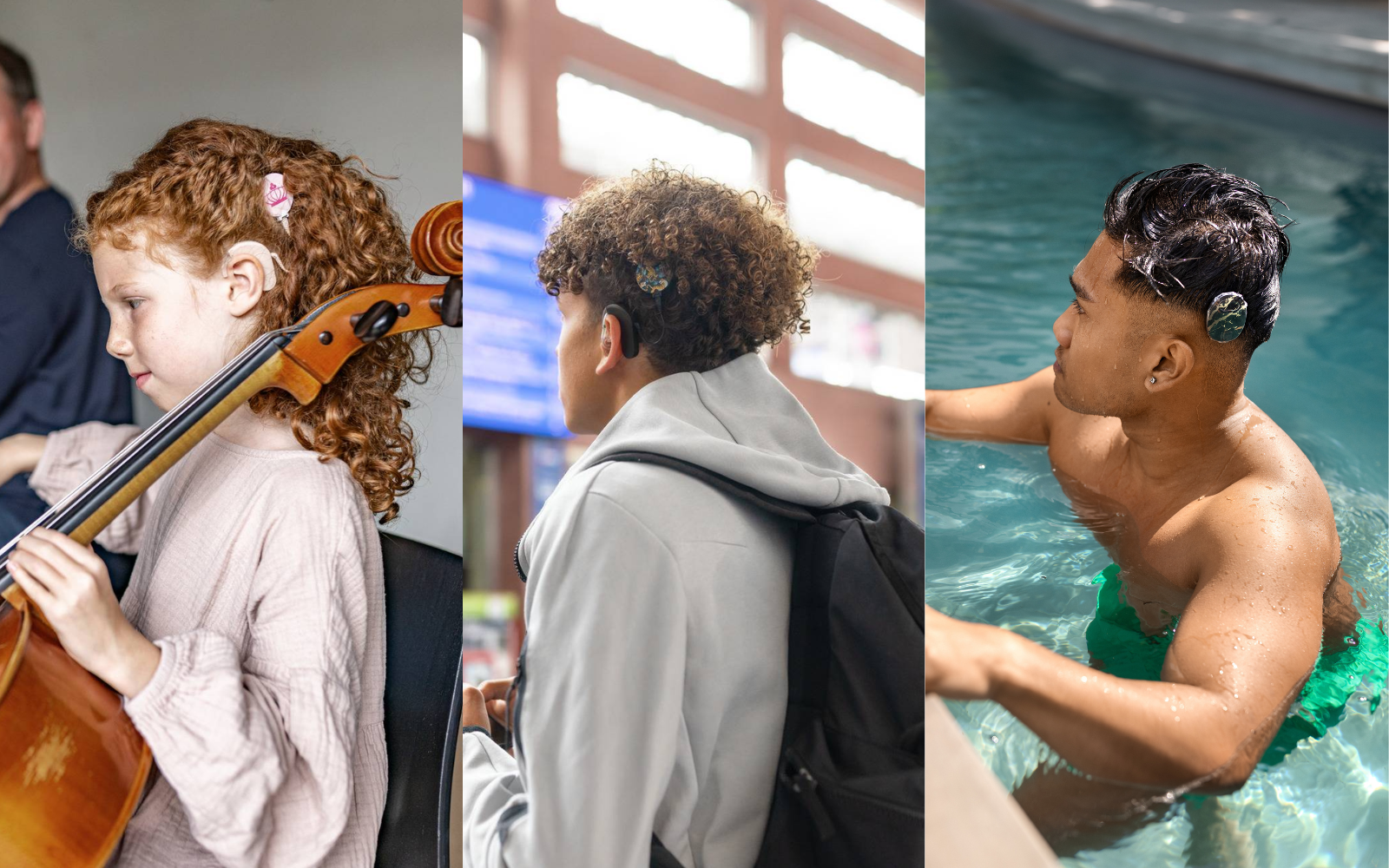
One of the most frequently asked questions pertains to the ability to enjoy music. The answer, for the vast majority of cochlear implant users, is a resounding yes. While the subjective experience of music may differ from pre-hearing loss perception, it is a common and rewarding journey for many to rediscover and appreciate musical nuances. This process is often aided by the brain’s remarkable neuroplasticity, which, with time and consistent exposure, learns to interpret the signals processed by the cochlear implant.
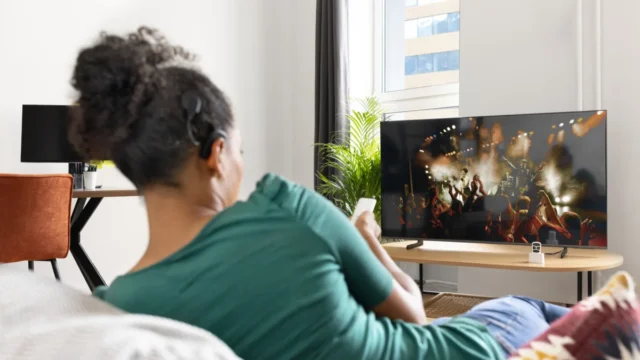
The quality of musical perception can be further enhanced by several factors. Users often find that starting with familiar music or pieces with simpler arrangements can facilitate the learning curve. Moreover, technological integration plays a crucial role. Modern audio processors, such as MED-EL’s SONNET 3 and RONDO 3, offer direct streaming capabilities. This feature allows music to be transmitted wirelessly from smartphones and tablets directly to the audio processor, delivering a high-fidelity stereo sound experience. This direct connection bypasses potential interference and provides a clearer, more immersive auditory input, making concerts, personal listening, and even playing instruments a more fulfilling experience. The ongoing development of algorithms within the processors also aims to optimize the processing of complex auditory information, including the intricate patterns and frequencies found in music.
Seamless Global Exploration: Travel with Confidence
The notion of travel, with its inherent logistical considerations, often raises concerns for individuals with cochlear implants. However, the technology is designed to be remarkably travel-friendly. Airport security, a common point of apprehension, generally poses no significant threat to cochlear implant systems. It is advisable for users to inform security personnel of their medical device and carry an identification card. This proactive approach facilitates a smoother screening process.
For international travel, preparedness is key. Essential components of the cochlear implant system should always be packed in carry-on luggage. This includes spare batteries or charging devices, cleaning supplies, and any necessary cables or adapters. Understanding the power requirements for electronic devices in different regions and ensuring compatible voltage converters are also prudent steps. Many users find it beneficial to research local medical facilities or MED-EL support networks in their destination countries as a precautionary measure. The ability to navigate unfamiliar environments and communicate effectively enhances the overall travel experience, allowing individuals to embrace new cultures and adventures without undue worry.
Embracing an Active Lifestyle: Sports and Recreation
The stereotype of a sedentary lifestyle for individuals with cochlear implants is being dismantled by the reality of active users participating in a wide range of sports and physical activities. From running and hiking to skiing and dancing, a cochlear implant does not necessitate a retreat from an active life. The primary considerations revolve around the secure attachment of the external audio processor and, in some cases, protecting the implant site.
For many high-impact or fast-paced activities, the use of fixation accessories is highly recommended. These can include specialized headbands, secure clips, or other attachment mechanisms designed to prevent the audio processor from dislodging. When participating in sports that require headgear, such as cycling, skiing, or horseback riding, ensuring a proper fit that does not exert undue pressure on the implant or processor is paramount. This requires careful selection of helmets and, at times, consulting with a hearing care professional for advice on helmet modifications or specialized protective gear.
In contact sports or activities with a significant risk of head impact, a more thorough assessment is often warranted. Consultation with a hearing care professional is crucial to discuss specific sport-related risks, appropriate protective measures, and whether removing the audio processor might be advisable in certain high-risk scenarios. This personalized approach ensures that individuals can pursue their athletic passions safely and confidently.

Everyday Adventures: Roller Coasters, Amusement Parks, and Beyond
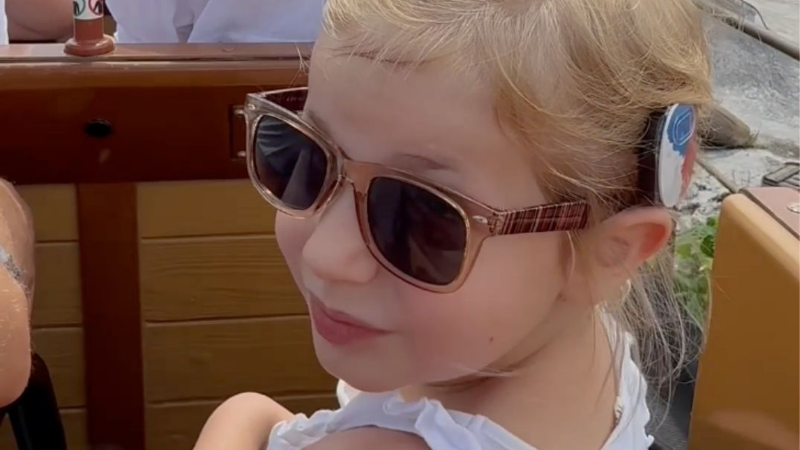
The thrill of amusement parks and the exhilaration of roller coasters are also well within reach for cochlear implant users. The primary concern here, as with many active pursuits, is ensuring the audio processor remains securely attached. The forces experienced on many rides are unlikely to damage the internal implant. However, for extremely high-speed or high-impact attractions, it is prudent to follow the specific guidance provided by the cochlear implant manufacturer and the ride operators. This often involves confirming the processor’s security and, in rare instances, seeking pre-ride consultation if there are specific concerns.
Navigating Medical Procedures and Specialized Environments
Beyond recreational activities, cochlear implants are designed to accommodate various medical procedures and specialized environments, albeit with specific protocols.
Medical Imaging: MRI Scans
The ability to undergo Magnetic Resonance Imaging (MRI) scans is a crucial aspect of medical care. MED-EL implants, manufactured since 1994, are classified as "MR conditional," meaning they can be safely scanned under specific conditions. For recipients with the SYNCHRONY series implants, MRI scans at both 1.5 Tesla and 3.0 Tesla are typically possible without the need for magnet removal, thus avoiding additional surgery and temporary hearing cessation. It is imperative that patients inform their healthcare providers and radiology teams about their cochlear implant before any scan. The medical team will then consult the MRI guidelines specific to the patient’s implant model to ensure a safe procedure.
Dental Procedures and Routine Care
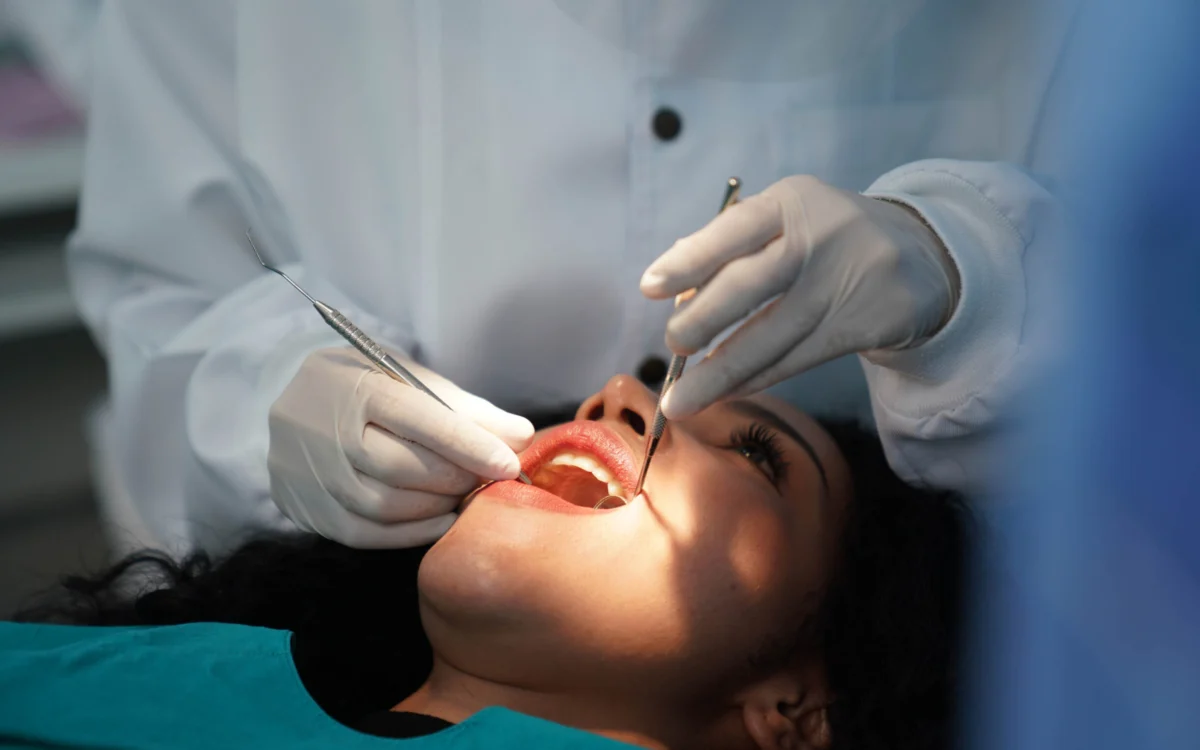
Routine dental care is generally permissible for cochlear implant users. However, certain dental equipment and procedures that involve strong energy sources or vibrations may require special precautions. Patients must always inform their dentist about their cochlear implant before undergoing any treatment. The dentist can then implement appropriate safety measures, which might include positioning equipment at a safe distance or using alternative tools if necessary. For comprehensive guidance on medical procedures compatible with cochlear implants, users can refer to specialized guides that detail the safety protocols for various interventions.
Cosmetic Procedures and Tattooing
The realm of cosmetic procedures, including tattooing, is also accessible with a cochlear implant, provided certain precautions are observed. Tattoos can be obtained, but it is essential to avoid the immediate vicinity of the implant site. Similarly, laser tattoo removal should not be performed near the implanted area due to the potential for heat generation and energy transfer. In all instances, informing the tattoo artist or laser technician about the presence of a cochlear implant is paramount. For a broader understanding of cosmetic procedures and their compatibility with cochlear implants, specialized informational resources are available.

Everyday Technology: Induction Cooktops
Modern kitchen appliances, such as induction cooktops, are generally safe to use, but awareness of potential electromagnetic interference is necessary. When an induction cooking zone is active, it is recommended to maintain a distance of approximately 5-10 cm (2-4 inches) between the audio processor and the cooktop. During normal cooking, pots and pans typically help maintain this distance. If closer proximity is required for cleaning or other tasks, the cooking zone should be switched off. Adherence to the user manual for the specific audio processor model is always advised, as recommendations can vary.
Situations Requiring Heightened Vigilance
While the scope of activities compatible with cochlear implants is broad, certain environments and situations necessitate heightened awareness and specific protective measures.
Static Electricity and Playground Equipment
A less commonly anticipated concern is the potential for static electricity generated by plastic playground equipment. Static discharge can cause the audio processor to temporarily cease functioning or reset. While typically not dangerous, it can be an uncomfortable interruption to hearing. Simple measures to mitigate this risk include touching a grounded metal object before using the equipment, wearing cotton clothing (which is less prone to static buildup than synthetic fabrics), and avoiding excessively dry conditions.
Saunas and Steam Rooms
High temperatures and humidity in saunas and steam rooms can pose a risk to the external components of a cochlear implant. Therefore, it is advised to remove the audio processor before entering saunas with temperatures exceeding 50 degrees Celsius (122 degrees Fahrenheit). The internal implant, being safely beneath the skin, is unaffected by these conditions.
Strong Magnets and Electromagnetic Fields
While everyday magnets and common electronic devices are generally not an issue, exposure to exceptionally strong magnetic or electromagnetic fields, such as those found in industrial settings or specialized medical equipment, requires careful consideration. In such environments, it is crucial to consult the specific instructions for the cochlear implant system and to seek guidance from a local MED-EL team or a hearing care professional.
Fostering Confidence and Embracing Life
The overarching message regarding life with a cochlear implant is one of empowerment and integration. The technology has advanced to a point where it enables individuals to participate fully in the rich tapestry of human experience. From engaging in demanding careers and pursuing academic endeavors to enjoying family life and exploring personal passions, the potential is vast.
The key to maximizing this potential lies in informed decision-making. Understanding the capabilities of one’s specific cochlear implant system, combined with awareness of potential environmental factors and the adoption of appropriate precautions, allows individuals to navigate life with confidence. The MED-EL team, along with hearing care professionals, serves as invaluable resources, providing tailored guidance and support.
Ultimately, cochlear implants are designed not to impose limitations but to open doors. By focusing on what is possible and proactively addressing any potential challenges, individuals can transcend perceived restrictions and embrace a future filled with sound, connection, and the full spectrum of life’s experiences. The journey with a cochlear implant is a testament to human resilience and the remarkable advancements in audiology, enabling a life lived with enhanced auditory perception and uncompromised engagement with the world.