The Scope of the Respiratory Hazard Crisis
The necessity for this campaign is rooted in data that illustrates the ubiquity of airborne hazards in the modern workplace. According to the Bureau of Labor Statistics, thousands of non-fatal occupational illnesses are reported annually, many of which are linked to long-term exposure to toxic vapors, particulate matter, and biological agents. For industrial sectors, the risk is not merely an inconvenience but a significant liability.
Respiratory hazards are broadly categorized into three areas: particulate matter (dust, smoke, and fumes), chemical vapors (gases and volatile organic compounds), and biological threats (bacteria, viruses, and molds). When these hazards are not mitigated by effective engineering controls—such as ventilation or enclosure—respiratory protection becomes the final, and most critical, line of defense. The NIOSH initiative emphasizes that PPE is not a substitute for proper environmental controls, but rather an essential supplement when those controls are insufficient.
A Chronology of Regulatory Oversight
The evolution of respirator safety in the United States has been a multi-decade effort. The current campaign builds upon the historical foundation laid by the Occupational Safety and Health Act of 1970, which established the regulatory framework for workplace safety.
- 1972: NIOSH is officially established under the Occupational Safety and Health Act to provide research and guidance on preventing work-related injury and illness.
- 1995: The introduction of 42 CFR Part 84 regulations overhauled how respirators were tested and certified, creating a more stringent pathway for manufacturers to prove the efficacy of their devices.
- 2020–2022: The COVID-19 pandemic acted as a stress test for the global supply chain, revealing critical vulnerabilities in the availability of legitimate N95 respirators and exposing a proliferation of counterfeit devices in the marketplace.
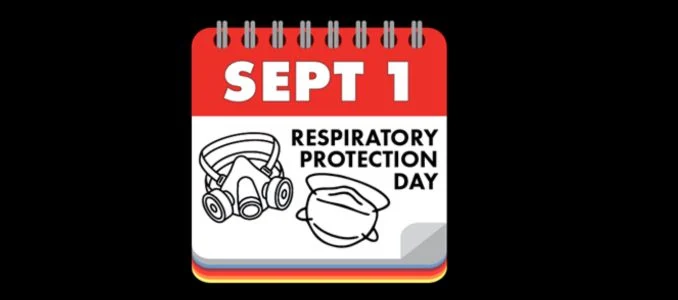
- 2026: NIOSH launches its latest awareness campaign, incorporating lessons learned from recent global supply chain disruptions and technological advancements in respiratory materials.
This timeline reflects a transition from basic compliance to a more proactive, risk-based management approach. The current campaign acknowledges that the simple provision of a mask is no longer sufficient; the "safety culture" must encompass the entire lifecycle of the device, from procurement to disposal.

Technical Integrity: The Role of NPPTL
Central to this initiative is the National Personal Protective Technology Laboratory (NPPTL). As a branch of NIOSH, the NPPTL is the federal government’s primary hub for testing and certifying respiratory equipment. Their rigorous testing protocols are designed to ensure that a respirator does not merely "look" functional, but actually meets the specific filtration efficiency and breathing resistance standards required for its assigned N, R, or P series rating.
The NPPTL evaluates products against extreme scenarios. For example, testing includes physical durability, field-of-view obstructions, and the ability of the device to maintain a seal under conditions of high humidity or rapid movement. By educating employers on how to verify the "TC" (Testing and Certification) number on a device, the agency hopes to drive out counterfeit products that have plagued the market since the mid-2020s.
Strategic Pillars of the New Initiative
The awareness campaign is built upon three strategic pillars: selection, verification, and maintenance.
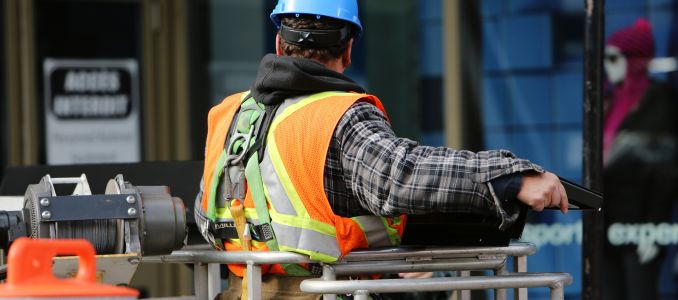
Selection: Many employers fail to conduct a thorough hazard assessment before purchasing gear. NIOSH now provides sector-specific guidance to help safety managers match the device to the contaminant. For instance, a particulate respirator (N95) is insufficient for environments containing volatile organic compounds, which require chemical cartridge respirators.
Verification: The proliferation of fraudulent safety equipment has made verification a top priority. The campaign includes digital tools and visual checklists that allow safety officers to cross-reference product markings against the NIOSH Certified Equipment List. This verification process is vital for companies that procure gear from third-party distributors where the chain of custody may be opaque.
Maintenance and Training: A respirator is only as effective as its fit. The "fit-test" is a cornerstone of the campaign. NIOSH is pushing for more frequent, documented fit-testing protocols, particularly as worker health profiles change or as equipment ages. Furthermore, the agency is disseminating visual, step-by-step guides for the correct donning (putting on) and doffing (removing) of gear, as improper technique is a primary cause of exposure breaches.
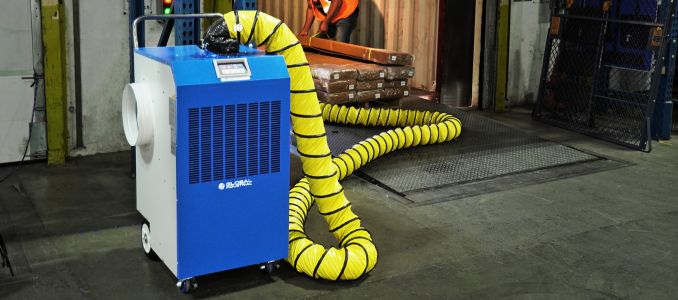
Implications for Workplace Safety Culture
Industry experts observe that the shift toward these updated resources represents a maturation of safety culture. "Safety is not a static checkbox," noted one occupational health analyst familiar with the campaign. "By providing these resources, NIOSH is helping firms transition from a culture of ‘having’ protection to a culture of ‘ensuring’ protection."
The financial implications for employers are significant. Investing in higher-quality, verified respiratory protection reduces the long-term risk of workers’ compensation claims, regulatory fines, and legal action related to occupational disease. Furthermore, enhanced safety standards often lead to higher employee retention, as workers in high-risk fields prioritize environments where they feel physically secure.
Future Outlook and Sectoral Impact
The campaign is specifically tailored to the unique risks of various sectors. In healthcare, the focus is on fluid resistance and the ability to prevent aerosolized transmission. In mining and construction, the focus remains on silica dust and heavy metal particulates, which require higher levels of protection and more frequent filter replacement.
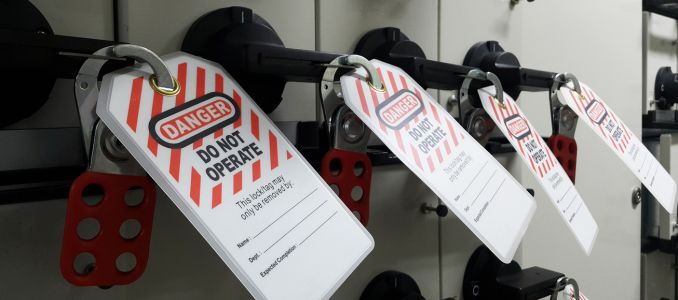
As the campaign gains momentum, federal officials anticipate that the next phase will involve tighter integration between digital supply chain tracking and real-time safety reporting. By fostering a closer relationship between the researchers at NIOSH and the safety managers on the ground, the agency aims to create a feedback loop where field data helps refine future equipment standards.
Ultimately, the goal of this awareness drive is to achieve a measurable reduction in the incidence of respiratory illness by the end of the decade. While the tools provided by NIOSH are voluntary in their usage, they represent the gold standard of current industrial science. For employers, the message is clear: the cost of negligence far outweighs the investment in professional-grade protection and the rigorous training required to use it effectively. As the industrial landscape continues to evolve, the capacity to adapt to new respiratory hazards will remain a primary metric of organizational success and ethical responsibility.