The data, released on October 30, 2026, serves as a vital snapshot of the state’s building landscape. By tracking active devices and permitting activity, the NCDOL provides a measure of urban development and modernization. However, the report also underscores the perpetual responsibility held by facility managers, property owners, and the state’s own inspection bureau to manage the inherent risks associated with heavy machinery operating in public and private spaces.
The Role of the Elevator and Amusement Device Bureau
At the heart of this regulatory framework is the Elevator and Amusement Device Bureau. This specialized agency is tasked with the oversight of a broad spectrum of equipment, including elevators, escalators, personnel hoists, dumbwaiters, moving walkways, and accessibility lifts. Their mandate is to ensure that every device—regardless of whether it is located in a private workplace or a public facility—operates within the safety parameters established by the state and national engineering communities.
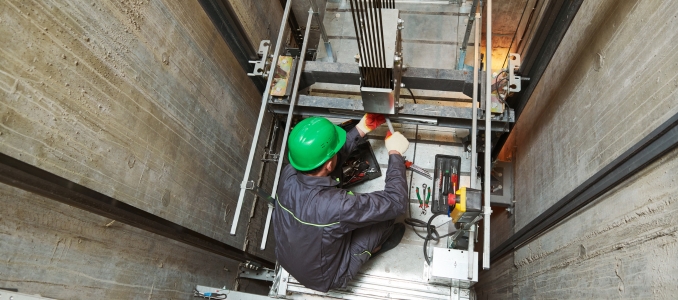
The bureau’s function is multifaceted. It does not merely record the existence of these devices; it actively enforces compliance through a rigorous inspection regime. Before a new elevator is commissioned, it must undergo a comprehensive examination to ensure it meets the ASME A17.1 safety code, which is widely considered the gold standard for elevator and escalator safety in the United States. This code dictates everything from the mechanical integrity of the hoistway and the braking systems to the safety features of the car doors and emergency signaling devices.
Furthermore, any modification to an existing system—whether it is a full modernization of the control software or a mechanical overhaul—triggers a mandatory inspection cycle. By requiring installation permits to be prominently displayed at job sites, the state ensures that the public and building occupants are aware that the equipment is being held to official scrutiny.
Analyzing Recent Permitting Trends
The latest Quarterly Elevator Index reveals a nuanced picture of the state’s construction and facility maintenance sector. During the first quarter of the 2026-2027 fiscal year, North Carolina issued 221 new elevator device permits. When compared to the 265 permits issued during the same period in the previous fiscal year, this represents a 16.6% decrease.
While a decrease in permits might initially suggest a cooling in certain sectors of the construction market, industry experts often point out that such fluctuations are common. They can be influenced by a variety of macroeconomic factors, including interest rate cycles, the completion of large-scale infrastructure projects, and broader trends in commercial real estate vacancy rates.

Geographically, the distribution of these permits highlights the continued dominance of North Carolina’s urban hubs. Mecklenburg County remains the state’s leader in new installations, accounting for 61 of the new permits. This concentration is consistent with the rapid growth of the Charlotte metropolitan area, which continues to see significant density in both residential and commercial high-rise construction. Following Mecklenburg, the permit counts were as follows:
- Wake County: 17 permits
- Guilford County: 16 permits
- Buncombe County: 12 permits
- Alamance County: 9 permits
This data suggests that while the state is seeing a slight moderation in the pace of new vertical transportation installations, the core urban centers remain highly active. For facility managers in these regions, the challenge is shifting from the installation of new equipment to the long-term maintenance of the existing 32,439 units.
The Critical Importance of Ongoing Maintenance
For employers and facility managers, the existence of a valid permit is only the starting point. The true measure of safety lies in the daily, monthly, and annual maintenance cycles required to keep these systems functional. Mechanical wear and tear is an inevitable reality of elevator operation, and the failure to address minor deficiencies can lead to increased downtime or, in extreme cases, hazardous conditions.
The NCDOL emphasizes that elevator safety is a shared responsibility. While state inspectors perform the periodic evaluations required by law, the primary burden of ensuring that an elevator remains in a "safe operating condition" falls upon the building owner or the designated facility manager. This involves coordinating with certified elevator mechanics, ensuring that routine preventative maintenance is conducted, and maintaining accurate logs of all repairs and inspections.

In instances where deficiencies are identified—whether through a state inspection or internal building audits—there is a legal and ethical obligation to address those issues promptly. Neglect in this area does not only risk regulatory penalties but also exposes property owners to significant liability should an incident occur.
Implications for Public Safety and Future Oversight
The release of the Quarterly Elevator Index is more than a clerical update; it is a tool for transparency. By making this data public, the Department of Labor allows stakeholders to understand the scale of the state’s vertical transportation network. While the report currently focuses on active devices and permitting—omitting specific inspection results or incident statistics—it provides the baseline information necessary for researchers, safety advocates, and industry professionals to monitor the state of the industry.
Looking forward, the NCDOL’s Elevator Safety Program remains the primary resource for both the industry and the public. Through their digital portals, stakeholders can access information on current regulations, the specific requirements for different types of lifting devices, and the established procedures for reporting potential safety concerns.
The integration of technology into elevator safety—such as remote monitoring systems that alert managers to mechanical anomalies before a breakdown occurs—is likely to become a central theme in future reports. As buildings become "smarter," the way the state tracks and inspects these devices may also evolve to include more data-driven oversight, potentially moving toward real-time reporting of equipment status.

Addressing the Regulatory Landscape
The regulatory environment in North Carolina is designed to be proactive rather than reactive. By enforcing the ASME A17.1 standard, the state ensures that even as technology advances—from traditional cable-traction elevators to sophisticated hydraulic and machine-room-less (MRL) systems—the foundational safety requirements remain constant.
The process of obtaining a permit is rigorous. Before a company can begin work, they must demonstrate that they are authorized and that their installation plans comply with the state’s codes. This gatekeeping function is vital in preventing substandard work from entering the state’s building stock. Once installed, the equipment is entered into the state’s database, ensuring that it is tagged for its first inspection and subsequent routine checks.
For the public, the existence of over 32,000 active devices signifies that vertical transportation is woven into the fabric of everyday life in North Carolina. Whether traveling to a high-floor office, accessing a library via a lift, or shopping in a multi-level retail center, the reliability of these machines is taken for granted. The quiet, consistent work of the NCDOL and the adherence to safety protocols by building managers are what allow this reliance to continue without incident.
Conclusion: A Continuous Commitment to Safety
The 2026-2027 fiscal year data serves as a reminder of the sheer scale of the equipment that keeps North Carolina moving. While the 16.6% decline in new permits provides a point of discussion for economists, the overarching story remains the state’s commitment to oversight.
Maintaining 32,439 devices is a monumental task that requires ongoing vigilance, robust public-private cooperation, and a dedication to safety standards that prioritize the well-being of the public. As North Carolina continues to grow, the Elevator and Amusement Device Bureau will remain a critical pillar in the state’s safety infrastructure, ensuring that as buildings rise, the systems within them remain safe, reliable, and compliant with the highest industry standards.
For property owners and facility managers, the message remains clear: the permit is the beginning, but the maintenance is the lifeblood of safe operation. By staying informed through the NCDOL’s resources and prioritizing regular, professional inspections, the state’s infrastructure will continue to serve its residents safely and efficiently for years to come.