While medical interventions are essential for addressing the physiological roots of dizziness and vertigo, Ryan argued that the recovery process is influenced heavily by factors outside the exam room. For the millions of individuals worldwide living with vestibular dysfunction, the path to wellness is rarely a straight line. It is a complex trajectory involving psychological adaptation, social navigation, and systemic advocacy.
The Clinical and Social Reality of Vestibular Disorders
Vestibular disorders, which affect the inner ear and brain’s ability to process sensory information related to balance and eye movement, are more prevalent than many realize. According to data from the National Institute on Deafness and Other Communication Disorders (NIDCD), approximately 35% of U.S. adults aged 40 years and older—roughly 69 million people—have experienced some form of vestibular dysfunction. Despite this prevalence, these conditions remain widely misunderstood by the general public and are frequently underdiagnosed or mismanaged in primary care settings.
Common conditions such as Benign Paroxysmal Positional Vertigo (BPPV), Meniere’s disease, vestibular migraine, and Persistent Postural-Perceptual Dizziness (PPPD) do more than cause physical instability. They disrupt the fundamental connection between an individual and their environment. The sudden onset of vertigo or the chronic "brain fog" associated with vestibular issues can lead to a loss of employment, strained family dynamics, and a profound decline in mental health. Ryan’s presentation highlighted that for a patient to truly recover, healthcare professionals must recognize these "invisible" burdens.
The Diagnostic Odyssey: A Chronology of the Patient Experience
The vestibular patient journey typically begins long before a specialist is consulted. This "diagnostic odyssey" is often characterized by a repetitive cycle of emergency room visits, inconclusive tests, and skepticism from observers who cannot see the patient’s internal struggle.
- The Acute Phase: Symptoms often begin with a terrifying, sudden episode of vertigo or imbalance. Many patients report thinking they are having a stroke or a life-threatening cardiac event.
- The Search for Answers: Patients frequently consult multiple general practitioners or neurologists who may not have specialized training in vestibular science. This stage can last months or even years, leading to "medical gaslighting" where patients are told their symptoms are merely stress-related.
- The Specialist Evaluation: Once a patient reaches a neurotologist or a vestibular physical therapist, a formal diagnosis is made. However, as Ryan noted, this is often where the clinical support ends, leaving the patient to figure out the "new normal" on their own.
- The Adaptation Phase: This involves learning to navigate environments with high visual stimulation (like grocery stores), managing the anxiety of a potential relapse, and explaining the condition to employers to secure necessary accommodations.
By understanding this chronology, clinicians can better empathize with the frustration and exhaustion a patient may bring to their first appointment.
The Role of VeDA as a Global Hub
Founded in 1985, the Vestibular Disorders Association has evolved from a grassroots support network into a global authority that bridges the gap between the medical community and the patient population. As the "global hub" for the vestibular community, VeDA provides a multi-faceted infrastructure designed to support the patient journey at every stage.
Education is the cornerstone of this mission. The organization offers a vast library of peer-reviewed resources that translate complex vestibular science into actionable information for patients. This includes "Ask the Expert" video series, webinars, and translated materials aimed at increasing global health literacy regarding balance disorders.
Ryan emphasized that an educated patient is an empowered partner. When patients understand the mechanics of their vestibular system and the goals of vestibular rehabilitation therapy (VRT), they demonstrate higher rates of treatment adherence. This synergy between advocacy and clinical practice reduces the burden on healthcare systems by streamlining the path to effective management.
The Healing Power of Community and Peer Support
A recurring theme in the Zee Lecture Series presentation was the profound isolation felt by those with invisible illnesses. Because vestibular symptoms are not externally visible—unlike a broken limb or a skin condition—patients often face a lack of empathy from social circles.
VeDA addresses this through structured community initiatives. These include:
- Peer-Led Support Groups: Local and virtual gatherings where patients share coping strategies.
- Dizzy Together: A program designed to foster connection and reduce the psychological toll of chronic dizziness.
- Specialized Groups: Initiatives like the "Dizzy Moms Club" focus on the specific challenges of parenting while managing a balance disorder.
The presentation featured insights from patient advocates Glenn Schweitzer and Jeannette Tousignant. Schweitzer, well-known for his work in chronic illness advocacy, and Tousignant shared their personal accounts of navigating the healthcare system. Their stories highlighted a universal truth in vestibular care: while doctors can provide the "what" (the diagnosis), the community provides the "how" (how to live a fulfilling life despite the diagnosis).
Data-Driven Advocacy: Advancing Research and Access
Beyond emotional support, VeDA plays a pivotal role in the scientific advancement of the field. The organization maintains the Dizziness, Vertigo & Imbalance Patient Registry, a critical tool for researchers. Unlike clinical trials which often occur in controlled environments, the registry collects "real-world data" (RWD) directly from patients. This data provides insights into the long-term efficacy of treatments and the socio-economic impact of vestibular disorders.
Furthermore, VeDA actively supports the next generation of specialists through the ANS/VeDA Clinical Outcomes Research Grant and travel awards for early-career investigators. By funding research that prioritizes patient-centered outcomes, the organization ensures that future medical breakthroughs are aligned with the actual needs of the community.
Access to care remains a significant hurdle. To address this, VeDA’s Healthcare Provider Directory serves as a vital resource, connecting patients with a multidisciplinary network of professionals, including audiologists, physical therapists, neurologists, and psychologists. This directory is essential for reducing the time between the onset of symptoms and the start of effective treatment.
Future Implications: AI, Navigation, and Narrative Medicine
Looking toward the future, Ryan outlined several technological and philosophical initiatives aimed at further enriching the patient journey. One such initiative involves the integration of AI-powered educational tools. These tools are designed to provide patients with immediate, verified answers to common questions, acting as a bridge between appointments.
The organization is also exploring "narrative medicine"—a practice that encourages healthcare providers to use a patient’s life story as a diagnostic and therapeutic tool. By integrating the patient’s narrative into the clinical record, doctors can tailor treatments that respect the patient’s lifestyle, professional requirements, and personal goals.
Additionally, expanded triage and referral programs are in development. These programs aim to categorize patient needs more effectively at the point of entry into the healthcare system, ensuring that those with acute needs are fast-tracked to specialists, thereby preventing the development of secondary conditions like PPPD, which can arise when initial vestibular injuries are not promptly addressed.
Analysis: The Synergy of Advocacy and Healthcare
The central takeaway of the presentation is that advocacy is not an adjunct to healthcare; it is a fundamental component of it. The relationship between organizations like VeDA and clinical institutions like the Zee Ocular Motor and Vestibular Lecture Series represents a symbiotic partnership.
From a fact-based perspective, the implications of this partnership are clear:
- Improved Clinical Outcomes: Patients who utilize advocacy resources are better equipped to participate in VRT and lifestyle modifications.
- Reduced Healthcare Costs: Early diagnosis and better management reduce the reliance on expensive emergency room visits and redundant testing.
- Research Innovation: Patient registries provide a depth of data that clinical trials alone cannot match, leading to more nuanced understandings of chronic vestibular conditions.
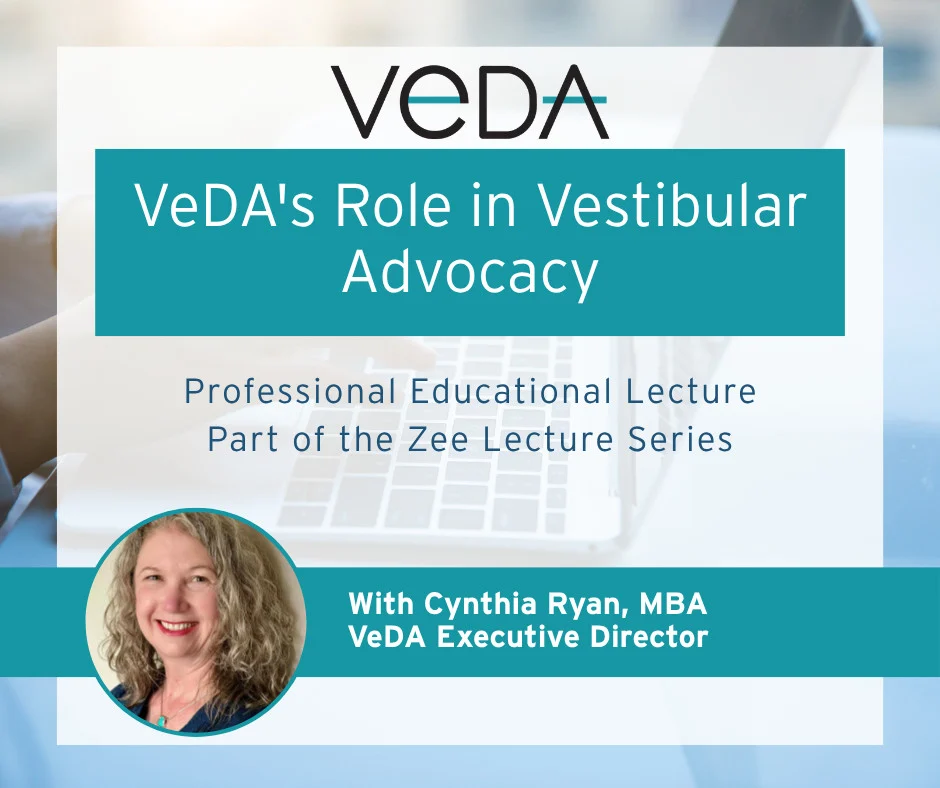
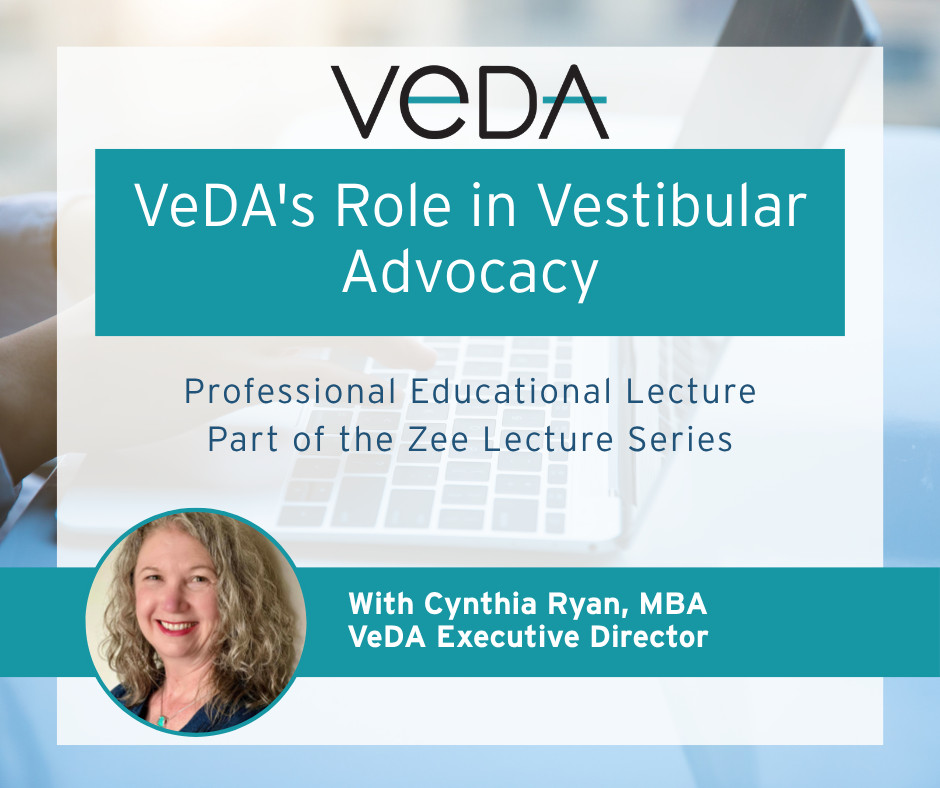
As Cynthia Ryan concluded, healthcare professionals provide the medical expertise necessary for recovery, but VeDA provides the "everything else." This "everything else"—the education, the community, the advocacy, and the hope—is what allows a patient to transition from a state of crisis to a state of resilience.
In a medical era increasingly dominated by high-tech diagnostics and pharmacological interventions, the Zee Lecture Series serves as a reminder that the human element remains the most potent tool in the healing process. By embracing the full patient journey, the vestibular community is setting a standard for how chronic, invisible illnesses should be managed in the 21st century: with a combination of rigorous science and compassionate, comprehensive advocacy.