

The Evolution and Necessity of Hearing Implants
The journey to understanding and treating hearing loss has been a long and complex one. While early attempts to aid hearing relied on rudimentary amplification devices, the advent of modern audiology and medical technology has ushered in an era of sophisticated implantable solutions. Hearing aids, the most common assistive listening devices, work by amplifying ambient sounds and channeling them through the ear canal to the inner ear. This approach is highly effective for individuals with mild to moderate hearing loss where the auditory pathway remains largely intact.
However, a significant population experiences hearing loss due to damage or dysfunction in specific parts of the auditory system – the outer ear, middle ear, inner ear (cochlea), or the auditory nerve. In such cases, conventional hearing aids, which merely amplify sound, prove insufficient. They may not be able to overcome the underlying blockage or damage, or they could even exacerbate the problem by overstimulating an already compromised system. It is within this critical gap that hearing implants emerge as vital medical interventions.
The term "hearing implant" is an umbrella term encompassing several distinct technologies, often also referred to as ear implants, auditory implants, or implantable hearing devices. These terms highlight the surgical nature of their placement and their direct interaction with the auditory system or the brain. Unlike hearing aids, which amplify sound, hearing implants work by bypassing damaged or non-functioning parts of the auditory pathway, directly stimulating the cochlea, auditory nerve, or even the brainstem to transmit sound information.
Distinguishing Hearing Implants from Hearing Aids
A fundamental understanding of the difference between hearing aids and hearing implants is crucial for patients and their families. Hearing aids function by magnifying sound waves, which then travel through the ear canal and middle ear to reach the cochlea. This process relies on the integrity of these external and middle ear structures, as well as the cochlea’s ability to convert sound vibrations into electrical signals. For individuals with mild to moderate sensorineural hearing loss, where the hair cells in the cochlea are damaged but the auditory nerve is functional, hearing aids can provide significant benefit.

Hearing implants, conversely, are designed to circumvent specific points of failure within the auditory system. They do not simply offer a louder amplification of sound. Instead, they employ direct stimulation mechanisms. For example, a cochlear implant bypasses damaged hair cells in the cochlea and directly stimulates the auditory nerve with electrical signals. A bone conduction implant bypasses problems in the outer and middle ear by transmitting sound vibrations directly through the skull bone to the inner ear. This fundamental difference in mechanism means that hearing implants are not merely "more powerful" hearing aids; they are entirely different categories of assistive listening devices, indicated for distinct types of hearing loss.
The decision to consider a hearing implant is typically made after a thorough audiological evaluation and a period of trying conventional hearing aids, if appropriate. However, for certain types of hearing loss, particularly severe to profound sensorineural hearing loss or significant conductive/mixed hearing loss where hearing aids offer minimal to no benefit, implants may be considered as a primary solution.
The Spectrum of Hearing Implant Technologies
The field of hearing implants is diverse, with several types of devices designed to address specific auditory challenges:
1. Cochlear Implants (CIs)
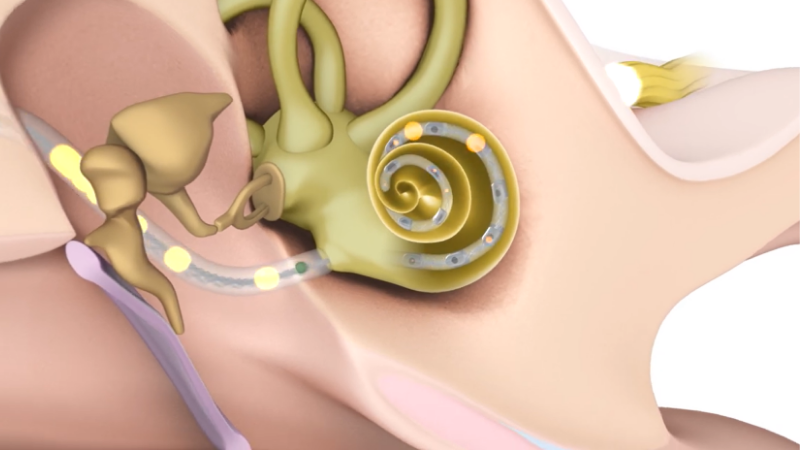
Cochlear implants are the most well-known and widely used type of hearing implant. They are designed for individuals with severe-to-profound sensorineural hearing loss who experience limited or no benefit from conventional hearing aids. Sensorineural hearing loss occurs when there is damage to the inner ear (cochlea) or the auditory nerve pathways.
How they work: A cochlear implant system consists of an external audio processor and an internal implanted component. The external processor captures sound and converts it into digital signals. These signals are then transmitted wirelessly through the skin to the internal implant. The internal implant decodes these signals and uses an electrode array, surgically inserted into the cochlea, to directly stimulate the auditory nerve. This bypasses the damaged hair cells in the cochlea, sending electrical impulses to the brain, which are interpreted as sound.
Who they help: Individuals with severe to profound sensorineural hearing loss that is not adequately addressed by hearing aids. This can include those who have lost their hearing later in life (post-lingual deafness) or those born with profound hearing loss (pre-lingual deafness).

Key considerations: Receiving a cochlear implant involves a comprehensive evaluation, surgery, a period of healing, followed by activation of the external processor, meticulous fitting and programming of the device, and crucial auditory rehabilitation. Rehabilitation, often involving speech therapy and auditory training, is vital for users to learn to interpret the new auditory signals and maximize their understanding of speech. MED-EL’s commitment to providing "closest to natural hearing" aims to replicate natural pitch representation through technologies like long electrode arrays and advanced fitting algorithms, enhancing the user’s ability to perceive a wider range of sounds and nuances.
2. Bone Conduction Implants
Bone conduction implants are designed to treat hearing loss that originates from problems in the outer or middle ear, or for individuals with single-sided deafness.
How they work: These implants transmit sound vibrations directly through the skull bone to the inner ear, effectively bypassing any obstructions or malformations in the outer or middle ear. This process leverages the natural conductivity of bone.
Who they help: Individuals with conductive hearing loss (problems with the outer or middle ear), certain types of mixed hearing loss (a combination of conductive and sensorineural loss), or unilateral hearing loss (profound hearing loss in one ear and normal or near-normal hearing in the other).
Key considerations: Bone conduction systems can sometimes be provided as a non-surgical option (bone conduction hearing aids) or as a surgically implanted device (bone conduction implant). The implantable solution offers a more discreet and potentially more effective long-term option for selected candidates. It’s important to note that while both cochlear implants and bone conduction implants are hearing implants, they are designed for fundamentally different types of hearing loss and are not interchangeable.
3. Middle Ear Implants
Middle ear implants offer a sophisticated solution for a range of hearing losses by mechanically stimulating the structures of the middle ear.
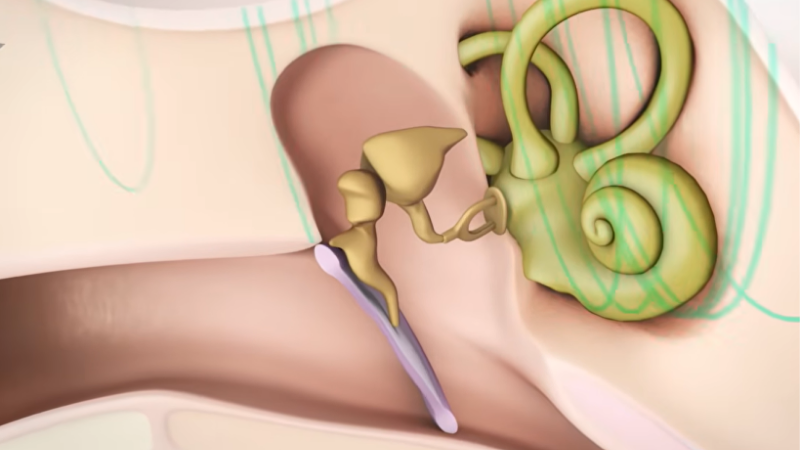
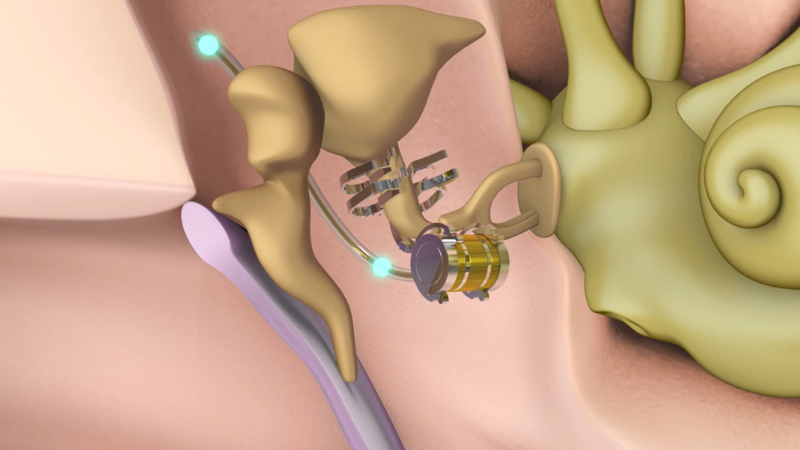
How they work: Unlike hearing aids, which amplify sound, or cochlear implants, which directly stimulate the auditory nerve, middle ear implants interact with the ossicles (malleus, incus, stapes) or the round window membrane of the inner ear. These implants convert sound signals into mechanical vibrations that are then transmitted to the middle ear structures, which in turn transmit them to the cochlea.
Who they help: These implants can be suitable for individuals with conductive hearing loss, mixed hearing loss, or even mild-to-severe sensorineural hearing loss, particularly in cases where conventional hearing aids are not tolerated due to skin allergies, chronic ear infections, or when they provide insufficient benefit.
Key considerations: Middle ear implants are available in both active and passive configurations. The choice depends on the specific type and degree of hearing loss, as well as the individual’s anatomy and medical history. A specialized hearing professional will assess suitability and recommend the most appropriate option.
4. Auditory Brainstem Implants (ABIs)
Auditory Brainstem Implants represent a highly specialized and less common form of hearing implant, reserved for exceptional circumstances.
How they work: Instead of stimulating the cochlea or the auditory nerve, an ABI directly stimulates specific nuclei within the brainstem. This is achieved through an electrode array placed on the surface of the brainstem.
Who they help: ABIs are indicated for individuals who have severe hearing loss and cannot benefit from cochlear implants. This typically occurs when the auditory nerve is absent, damaged, or cannot be effectively stimulated. Reasons for this can include congenital abnormalities of the auditory nerve, tumors that necessitate the removal of the auditory nerve (e.g., acoustic neuromas), or other rare conditions that prevent the cochlea from being accessed or effectively stimulated.
Key considerations: Due to the complexity and specific indications for ABIs, they are only recommended after extensive evaluation by a multidisciplinary team of specialists. The process is highly individualized, and the outcomes can vary significantly.
Candidacy for Hearing Implants: A Personalized Assessment
Determining candidacy for a hearing implant is a comprehensive process that goes beyond a simple hearing test. It involves a multifaceted assessment by audiologists and Ear, Nose, and Throat (ENT) specialists. Key factors considered include:
- Type and Degree of Hearing Loss: The specific nature and severity of the hearing impairment are paramount. For instance, cochlear implants are primarily for severe to profound sensorineural hearing loss, while bone conduction implants address conductive or mixed hearing loss.
- Benefit from Hearing Aids: For many implant types, particularly cochlear implants, a critical factor is the lack of sufficient benefit derived from optimally fitted hearing aids.
- Auditory Nerve Function: For cochlear implants, the auditory nerve must be at least partially functional to transmit signals.
- Medical and Anatomical Suitability: The overall health of the patient, including the condition of the ear structures and the absence of contraindicating medical conditions, is evaluated.
- Communication Goals and Lifestyle: An individual’s desire to improve communication, their daily activities, and their willingness to engage in post-implantation rehabilitation are crucial considerations.
- Age and Cognitive Ability: While implants are available for both children and adults, age and cognitive function can influence the rehabilitation process and the ability to learn to use the implant effectively.
The evaluation process typically involves a battery of audiological tests, including pure-tone audiometry, speech discrimination tests, and possibly imaging studies like MRI or CT scans to assess the anatomy of the ear and auditory pathways.
The Surgical Journey and Post-Implantation Care
The implantation of a hearing device is a surgical procedure, and the specifics vary depending on the type of implant.
Surgical Procedure: Generally, the surgery involves creating a small incision to access the area where the implant will be placed. For cochlear implants, the internal receiver/stimulator is placed under the skin behind the ear, and an electrode array is carefully threaded into the cochlea. For bone conduction implants, the device is typically anchored to the bone behind the ear. Middle ear implants involve access to the middle ear space. The surgery is usually performed under general anesthesia, and most patients can return home the same day or after a brief hospital stay.
Activation and Fitting: Following a healing period (typically a few weeks), the external components of the implant are activated. This is a critical step where the device is turned on for the first time. The external audio processor is then meticulously programmed or "fitted" by an audiologist to optimize sound quality and speech understanding. This fitting process is iterative and may involve multiple adjustments over time.
Auditory Rehabilitation: This is a cornerstone of successful hearing implant outcomes. Rehabilitation involves auditory training, speech therapy, and learning to interpret the new sounds. For children, it is essential for developing speech and language skills. For adults, it helps them to adapt to their new auditory experience and maximize their communication abilities. The intensity and duration of rehabilitation depend on the individual’s age, hearing history, and communication goals.
The Profound Benefits of Hearing Implantation
The benefits derived from hearing implants can be life-altering, significantly improving a person’s quality of life and ability to connect with the world around them.
- Improved Speech Understanding: For many, the most significant benefit is the enhanced ability to understand spoken language, even in challenging listening environments. This can lead to more meaningful conversations and a greater sense of social inclusion.
- Enhanced Sound Awareness: Implants can restore the perception of environmental sounds, such as alarms, doorbells, and traffic, contributing to safety and awareness.
- Restored Quality of Life: By improving communication, hearing implants can reduce feelings of isolation and improve engagement in social, professional, and recreational activities.
- Support for Children’s Development: For children with severe to profound hearing loss, early implantation is crucial for optimal development of speech, language, and cognitive skills, allowing them to thrive in educational and social settings.
- Potential for Tinnitus Reduction: Some individuals report a reduction in tinnitus (ringing in the ears) after receiving a hearing implant.
Data on Outcomes: Clinical studies consistently demonstrate the efficacy of hearing implants. For cochlear implants, success rates in terms of speech understanding can be remarkably high, with many recipients able to understand conversational speech without lip-reading. For instance, research published in journals like The Laryngoscope and Otology & Neurotology frequently highlights significant improvements in speech perception scores and quality of life measures post-implantation. Factors influencing outcomes include the duration of deafness before implantation, the age at implantation, the quality of rehabilitation, and the specific implant technology used.
Navigating the Decision-Making Process
Choosing the right hearing implant option requires a collaborative effort between the patient and their hearing healthcare team. Key questions to consider and discuss with your audiologist or ENT specialist include:
- What specific type of hearing loss do I have, and how does it affect my hearing?
- What are the different implant options available for my condition?
- What are the potential benefits and risks associated with each option?
- What is the surgical procedure like, and what is the expected recovery period?
- What is the role of auditory rehabilitation, and what resources are available?
- What are the long-term expectations for device performance and maintenance?
- How will this impact my communication and daily life?
Understanding the advanced features of modern implants, such as those offered by MED-EL, which focus on natural sound quality through automatic sound management, adaptive microphone directionality, and sophisticated noise reduction, can also inform the decision. These technologies aim to improve listening comfort and clarity across a wide range of sound environments.
Frequently Asked Questions About Hearing Implants
Are hearing implants permanent?
Yes, the internal component of a hearing implant is designed for long-term use and is considered a permanent solution. The external processor, however, is removable and can be upgraded as technology advances.

Can children receive hearing implants?
Absolutely. Many children with severe hearing loss are candidates for hearing implants. Early implantation is often recommended to support optimal speech, language, and cognitive development. Eligibility is determined through a thorough medical and audiological evaluation.
Do hearing implants restore normal hearing?
No, hearing implants do not restore hearing to its natural state. Instead, they provide access to sound by stimulating the auditory system in ways that allow the brain to interpret sounds and speech. The goal is to significantly improve communication and listening capabilities.
How long does hearing implant surgery take?
The duration of surgery typically ranges from one to three hours, depending on the specific implant type and the individual’s anatomy. Most surgeries are performed under general anesthesia.
Can you have an MRI with a hearing implant?
Many modern hearing implants are designed to be MRI compatible under specific conditions. It is crucial to inform your healthcare provider and the imaging team about your implant before any MRI scan to ensure safety and proper procedure.
Conclusion: A Path to Enhanced Auditory Connection
Hearing implants represent a remarkable advancement in audiology and medical technology, offering renewed hope and significantly improved quality of life for individuals facing profound hearing loss. From cochlear implants to bone conduction and middle ear implants, each technology offers a unique pathway to restoring auditory function by bypassing damaged parts of the hearing system. The journey with a hearing implant is a comprehensive one, involving careful evaluation, surgery, and dedicated rehabilitation, but the rewards – enhanced communication, greater social engagement, and a richer experience of the world – are profound. For those struggling with hearing loss that cannot be addressed by conventional means, consulting with hearing healthcare professionals is the crucial first step towards exploring these life-changing solutions.