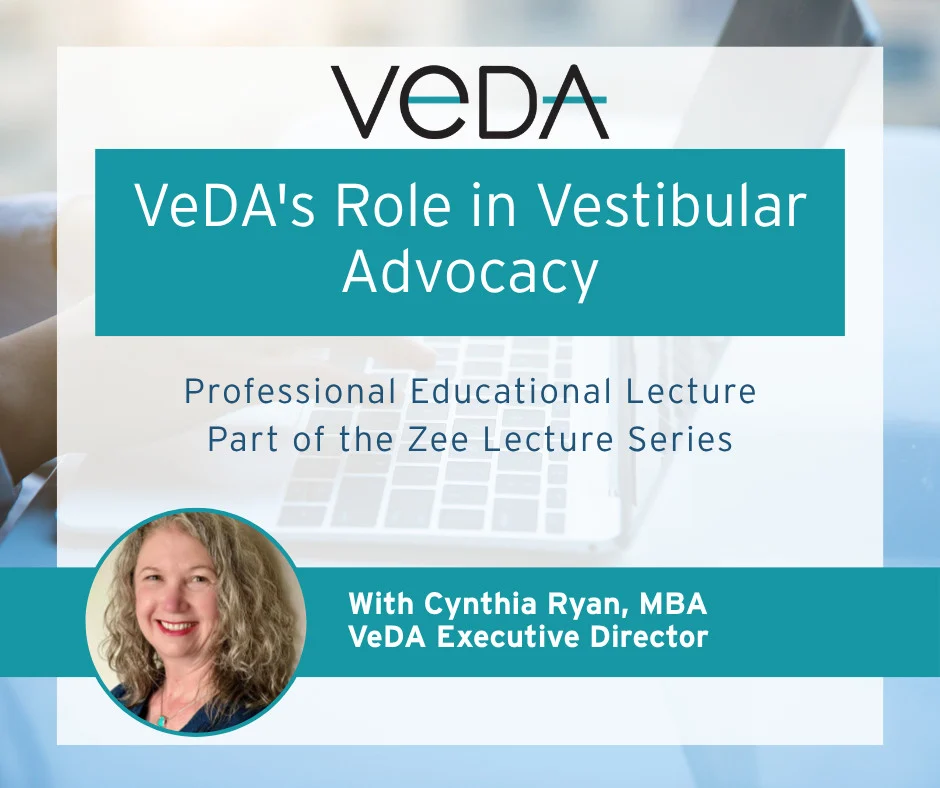
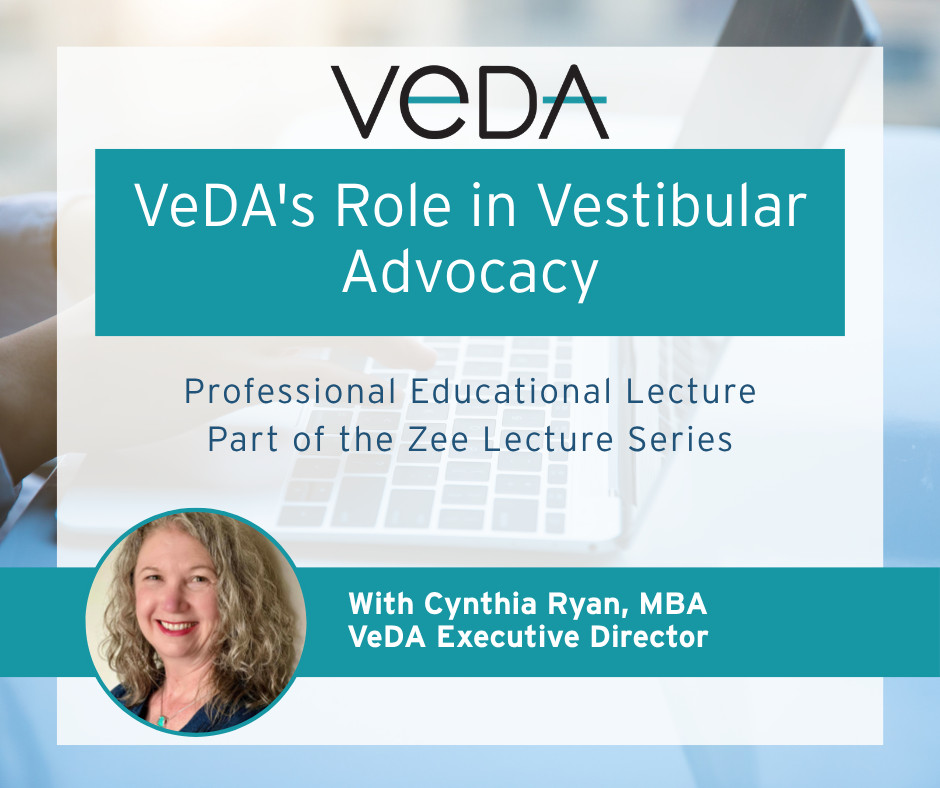
The lecture series, named in honor of Dr. David Zee—a pioneer in the field of neuro-otology and ocular motor research—serves as a high-level forum for specialists to discuss the complexities of the vestibular system. Ryan’s contribution to this series highlighted the necessity of integrating patient advocacy into the standard clinical workflow to improve long-term outcomes for those suffering from chronic dizziness and vertigo.
The Magnitude of Vestibular Dysfunction: A Public Health Perspective
To understand the urgency of Ryan’s message, one must consider the scale of the issue. According to data from the National Institute on Deafness and Other Communication Disorders (NIDCD), approximately 35% of adults aged 40 years or older in the United States—roughly 69 million people—have experienced some form of vestibular dysfunction. These conditions, which include Benign Paroxysmal Positional Vertigo (BPPV), Meniere’s disease, and vestibular neuritis, are not merely inconveniences; they are leading causes of falls, disability, and significant economic loss.
Despite the prevalence of these conditions, the path to a correct diagnosis remains fraught with obstacles. Research indicates that the average vestibular patient may visit four to five different doctors over the course of several months, or even years, before receiving an accurate diagnosis. This "diagnostic odyssey" creates a cascade of secondary issues, including clinical depression, generalized anxiety, and a profound loss of professional and personal independence. Ryan argued that the healthcare community’s focus on the acute clinical encounter often misses this prolonged period of uncertainty and the subsequent struggle to adapt to a "new normal."
The Chronology of the Vestibular Patient Journey
The presentation outlined a distinct timeline that characterizes the vestibular experience, emphasizing that the medical intervention phase is only one segment of a much longer trajectory.
Phase I: The Onset and the Search for Answers
For many, vestibular symptoms arrive with terrifying suddenness. A patient may wake up with the room spinning or lose their balance without warning. This initial phase is defined by confusion and fear. Because many vestibular symptoms are "invisible"—meaning the patient looks healthy to external observers—individuals often face skepticism from employers, family members, and even primary care providers. This period is marked by a frantic search for information, often leading patients to unreliable online sources before they find specialized care.
Phase II: Clinical Evaluation and Diagnosis
This is the stage where the healthcare professional is most active. Through sophisticated testing, such as videonystagmography (VNG) or vestibular evoked myogenic potentials (VEMP), clinicians work to identify the root cause of the dysfunction. However, Ryan noted that even a successful diagnosis can be overwhelming. Patients are often handed a complex name for their condition and a referral for vestibular rehabilitation therapy (VRT), but they may lack the emotional bandwidth to process what this means for their daily lives.
Phase III: The Long-Term Management and Adaptation
Recovery from a vestibular injury is rarely linear. It involves brain plasticity and compensation, which can take months of dedicated physical therapy. During this phase, patients must navigate the workplace, handle household responsibilities, and manage the "brain fog" and fatigue that often accompany balance disorders. This is the stage where clinical support is often at its lowest frequency, yet the patient’s need for guidance is at its highest.
VeDA as the Global Hub for Vestibular Advocacy
Since its inception in 1985, VeDA has evolved from a grassroots support group into a global authority and resource center. Ryan detailed how the organization serves as the "connective tissue" between patients, clinicians, and researchers. By providing peer-reviewed educational materials, VeDA ensures that the information patients consume is medically accurate and easy to understand.
One of the organization’s most impactful tools is its Provider Directory. Given the scarcity of vestibular specialists, patients often do not know where to turn for expert care. The directory bridges this gap by listing vetted professionals across multiple disciplines, including neurotology, audiology, and specialized physical therapy. By facilitating these connections, VeDA reduces the time to treatment and improves the likelihood of a positive recovery.
Furthermore, the organization addresses the "invisible" nature of the illness through community-building. Programs like the "Dizzy Moms Club" and peer-led support groups provide a platform for patients to share coping strategies and emotional support. Ryan emphasized that while a doctor can prescribe exercises to stabilize a patient’s gaze, a peer support group can provide the resilience needed to continue those exercises when progress feels slow.
Bridging the Gap through Data: The Patient Registry
A significant portion of the presentation focused on the Dizziness, Vertigo & Imbalance Patient Registry. This initiative represents a sophisticated effort to collect real-world data directly from the patient population. Traditional clinical trials often focus on specific physiological markers or the efficacy of a particular drug. In contrast, the registry captures the broader impact of vestibular disorders on quality of life, employment, and mental health.
The data gathered through this registry is already being used to inform peer-reviewed research. By identifying trends in how long it takes to reach a diagnosis and which treatments patients find most effective in daily practice, the registry helps researchers prioritize their efforts. This collaborative approach ensures that the "patient voice" is not just an anecdotal component of care but a data-driven pillar of scientific advancement.
First-Hand Perspectives: The Lived Experience
The lecture featured testimonials from patient advocates Glenn Schweitzer and Jeannette Tousignant, whose stories illustrated the practical realities of living with chronic vestibular issues. Schweitzer, an author and advocate, spoke about the psychological toll of Meniere’s disease and the importance of mindfulness and cognitive adaptation. Tousignant highlighted the difficulties of navigating a healthcare system that is often siloed, where the neurologist might not communicate effectively with the physical therapist.
Their stories served as a reminder to the healthcare professionals in attendance that a "successful" clinical outcome—such as a stabilized vestibular-ocular reflex—does not always equate to a patient feeling "healed." True recovery involves the restoration of confidence and the ability to re-engage with the world without the constant fear of a vertigo attack.
Implications for the Future of Vestibular Medicine
As the field of neuro-otology advances, the integration of technology and narrative medicine is expected to play a larger role. Ryan discussed future initiatives, including AI-powered educational tools designed to provide instant, accurate answers to patient queries. These tools can serve as a "triage" resource, helping patients determine when a symptom requires urgent medical attention and when it is a common part of the rehabilitation process.
Additionally, the concept of "narrative medicine"—where clinicians are trained to value the patient’s personal story as a diagnostic and therapeutic tool—is gaining traction. By understanding the specific lifestyle challenges a patient faces, a physical therapist can tailor a VRT program to be more relevant and effective.
Analysis of the Collaborative Model
The core takeaway from the Zee Lecture Series presentation is that the relationship between healthcare providers and advocacy organizations like VeDA is symbiotic rather than redundant.
- For the Clinician: Referring a patient to an advocacy organization saves clinical time. Instead of spending an hour explaining the basics of a low-sodium diet for Meniere’s or the mechanics of the inner ear, the clinician can direct the patient to high-quality, peer-reviewed resources. This allows the appointment time to be focused on specialized medical decision-making.
- For the Patient: Engagement with an advocacy community increases treatment adherence. Patients who understand the "why" behind their rehabilitation exercises and who feel supported by a community are more likely to stick with their treatment plans through the difficult early stages of recovery.
- For the Healthcare System: Reduced time to diagnosis and improved management of chronic symptoms lead to fewer emergency room visits and lower overall healthcare costs.
Conclusion: A Call to Action for Healthcare Professionals
Cynthia Ryan’s presentation concluded with a call to action for the medical community. Advocacy is not an "extra" or an "optional" component of healthcare; it is an essential part of the continuum of care. For a patient with a vestibular disorder, the journey is a marathon, not a sprint.
By acknowledging the full scope of the patient journey—from the first terrifying moment of vertigo to the long-term adaptation to a chronic condition—healthcare professionals can provide more compassionate and effective care. Organizations like VeDA provide the infrastructure for this holistic approach, offering a lifeline to patients and a valuable partnership to the clinicians who treat them. As the vestibular community looks toward the future, the goal remains clear: a world where vestibular disorders are recognized early, treated effectively, and where no patient has to navigate the journey alone.