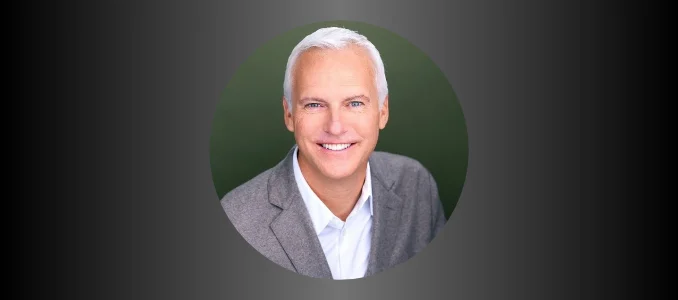
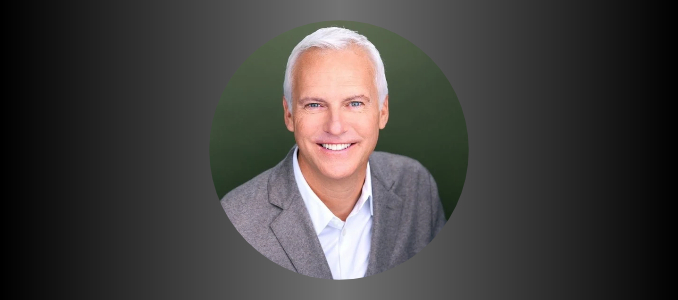
Fiser enters the role with an extensive portfolio of leadership experience within the non-profit and association sectors, spanning more than two decades. His appointment marks a significant transition for the AIHA as it seeks to bolster its influence in international policy and modernize its strategic offerings for members.
A Proven Track Record of Association Leadership
Fiser’s career is defined by a consistent focus on organizational growth and strategic repositioning. Before accepting the CEO position at AIHA, he served as the founder and CEO of Advisor 360, LLC, from 2023 to 2026. Prior to that, he served as the interim president and CEO of the Future Business Leaders of America, Inc., throughout 2024 and 2025, demonstrating his agility in managing diverse organizational structures.
Perhaps most relevant to his new role at AIHA is his tenure as CEO of the American Geophysical Union (AGU) from 2020 to 2023. During his time at the helm of the AGU, Fiser was credited with orchestrating a comprehensive strategic transformation. He oversaw a shift in the organization’s identity, moving from a primarily domestic entity to a globally recognized powerhouse. Under his leadership, the AGU emphasized "solutions science"—the practice of ensuring that scientific research translates into tangible policy and industrial applications—and successfully diversified its revenue streams, ensuring the long-term financial health of the organization.
Before the AGU, Fiser spent eight years as the president and CEO of the American Society of Interior Designers (ASID) from 2012 to 2020. This period saw him working closely with design professionals to bridge the gap between aesthetic practice and environmental health, a background that provides him with a unique multidisciplinary perspective on the intersection of human-built environments and occupant safety.

Chronology of the Executive Transition
The search for a new CEO was initiated by the AIHA Board of Directors to identify a visionary leader who could navigate the complexities of the post-pandemic labor market and the increasing demand for specialized industrial hygiene expertise. The selection process involved a comprehensive vetting of candidates from across the United States, utilizing external search firms and internal committee reviews to evaluate leadership styles, past fiscal performance, and experience in advocacy-heavy environments.
- 2012–2020: Randy Fiser serves as President and CEO of the American Society of Interior Designers (ASID).
- 2020–2023: Fiser serves as CEO of the American Geophysical Union (AGU), focusing on globalizing the organization and integrating solutions science.
- 2023–2026: Fiser serves as founder and CEO of Advisor 360, LLC, while concurrently managing an interim CEO role for the Future Business Leaders of America (2024–2025).
- October 29, 2026: AIHA formally announces the appointment of Randy W. Fiser as the next CEO, concluding the national search.
Implications for the Industrial Hygiene Profession
The appointment of an executive with such a strong focus on strategic growth and global outreach suggests that the AIHA is preparing to expand its footprint in the coming years. Industrial hygiene is currently at a critical juncture; as organizations grapple with climate change, emerging chemical hazards, and the rapid integration of artificial intelligence in safety monitoring, the need for a strong, unified voice has never been greater.
Industry analysts suggest that Fiser’s background in the physical sciences, specifically his work at the AGU, will be a significant asset. Occupational health and safety is increasingly reliant on data-driven models and environmental sensors. Fiser’s familiarity with navigating the political and economic hurdles of scientific societies suggests that he will prioritize AIHA’s advocacy efforts on Capitol Hill and in international regulatory bodies.

Furthermore, the "solutions science" model he employed at the AGU may be adapted to the industrial hygiene field. This could involve shifting the association’s focus from purely theoretical research to more applied, "ready-to-implement" safety protocols for companies of all sizes. By helping members articulate the economic value of safety, Fiser could help the profession gain more traction in boardrooms, where safety is often viewed through the lens of compliance rather than strategic advantage.
Strategic Priorities for the Incoming CEO
In his preliminary remarks, Fiser emphasized that his initial phase as CEO will be centered on listening and collaborative engagement. He noted a commitment to learning from the association’s diverse ecosystem of staff, members, volunteers, and corporate partners.
"My focus will be to work alongside the talented community at AIHA to amplify the association’s global impact," Fiser stated. "Strengthening the profession means not only supporting current practitioners but also developing a pipeline of future leaders who can address the complex environmental and occupational hazards of tomorrow."

This focus on the next generation of industrial hygienists is particularly timely. With a significant portion of the current workforce nearing retirement age, the association faces a "knowledge gap." Recruitment and retention, as well as the professional development of students and early-career professionals, are expected to be high on Fiser’s agenda.
Supporting Data and Industry Context
The AIHA represents thousands of professionals who are tasked with protecting workers from chemical, physical, and biological stressors. According to data from the Bureau of Labor Statistics (BLS), the demand for occupational health and safety specialists remains steady, bolstered by increased regulatory scrutiny and a greater focus on employee well-being in the wake of global health crises.
However, the field is evolving. The integration of AI into hazard detection and the rise of remote and hybrid work models have forced the industrial hygiene community to rethink traditional workplace assessments. Fiser’s expertise in managing organizations through periods of significant change will be tested as the AIHA seeks to provide its members with the tools necessary to assess risks in non-traditional environments.

The Road Ahead: A Period of Modernization
As the AIHA looks to 2027 and beyond, the appointment of Randy Fiser represents a departure from purely academic leadership toward a more corporate, results-oriented strategy. The board’s selection indicates a desire for growth, international relevance, and an enhanced public profile for the profession.
For the members of the AIHA, the transition represents a promise of professional stability and a potential increase in the visibility of the industrial hygiene discipline. By leveraging his experience in strategic planning, Fiser is positioned to help the association navigate a future where safety is increasingly intertwined with environmental sustainability and corporate governance.
The incoming CEO’s success will likely be measured by his ability to maintain the rigor of the profession while simultaneously expanding the association’s reach to new industries and global markets. With his confirmed start date and a clear mandate from the Board of Directors, Fiser is expected to hit the ground running, setting a new course for the AIHA in an era of rapid industrial transformation.

Official Response and Stakeholder Expectations
While official statements from the board remain focused on the potential for growth, industry insiders have noted that the selection of an outsider with diverse experience—rather than a traditional career industrial hygienist—highlights the board’s commitment to organizational evolution.
"The board’s decision underscores a pivot toward professional management and strategic influence," noted an industry consultant familiar with the search process. "Fiser isn’t just a manager; he’s an architect of organizational systems. That is exactly what a professional society needs when it wants to scale its impact."
As Fiser begins his tenure, he will face the challenge of balancing the needs of the seasoned membership with the necessity of attracting a younger, tech-savvy generation. The integration of digital tools, the expansion of certification programs, and the cultivation of international partnerships will be the benchmarks of his success. For now, the AIHA membership remains optimistic that the transition will solidify the association’s role as the primary authority on workplace health, ensuring that the critical work performed by its members continues to receive the recognition and support it requires on the global stage.