The Evolution of Core Vocabulary Instruction
The concept of "core vocabulary" in the context of AAC focuses on a small, powerful set of words—such as "go," "stop," "more," "want," and "help"—that can be used across various environments and social contexts. Unlike fringe vocabulary, which is topic-specific and context-dependent, core words provide the flexibility necessary for generative language.
The initiative to standardize the teaching of these words began years ago as a collaborative effort within the AAC community. The project was initially conceived as a series of monthly curricula, designed to provide practitioners with actionable materials to move beyond mere device introduction toward true communicative competence. Over the years, the program expanded from a singular set of words to three distinct, specialized tracks: the original Year of Core Vocabulary, the School Year of Core Vocabulary (introduced in 2020), and the Older Student Lessons (launched in 2023-2024).
Chronological Development of the Curriculum
The history of this resource-sharing initiative reflects a broader shift in the field of speech-language pathology toward evidence-based, collaborative practice. The timeline of these developments is as follows:
- Initial Phase (Circa 2013-2015): The PrAACtical AAC blog launched its first "Year of Core Vocabulary" series, establishing a systematic approach to introducing core words on a monthly basis. This period saw the integration of activity calendars, which were heavily influenced by the work of Rachael Langley, an AAC specialist and co-founder of Talking AAC.
- Expansion (2015-2019): Building on the initial success, the community introduced a second, expanded set of words, ensuring that users had a broader linguistic base. During this time, the emphasis shifted toward environmental modifications and consistent modeling (aided language stimulation).
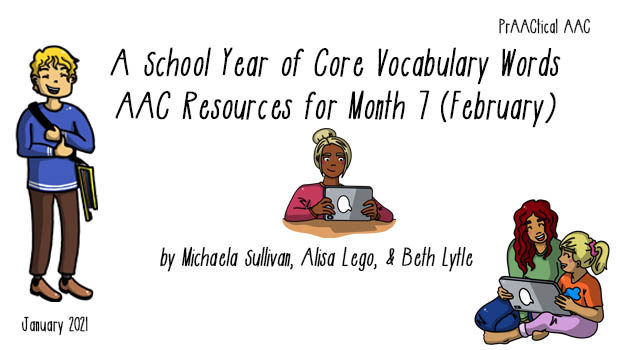
- The School-Aged Initiative (2020): Recognizing that school environments require different pedagogical strategies than clinical or home settings, contributors Michaela Sullivan, Alisa Lego, and Beth Lytle developed "The School Year of Core Vocabulary Words." This curriculum introduced lesson plans tailored for the classroom, integrating core vocabulary into academic subjects like math, science, and literacy.
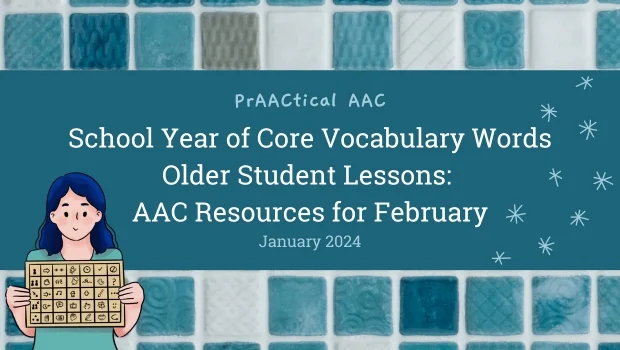
- Adolescent and Transition Focus (2023-2024): The most recent iteration of the program addressed a long-standing gap in the field: the scarcity of high-interest, age-appropriate material for middle and high school students. Michaela Sullivan and Lindsay Dougherty led this effort, creating lessons that respected the maturity of older students while maintaining the integrity of core language instruction.
Supporting Data and Pedagogical Rationale
The necessity for such structured resources is underscored by data regarding the "implementation gap." Studies in the field of assistive technology indicate that while AAC devices are frequently provided, their efficacy is often limited by a lack of partner training and systematic instruction.
Research suggests that for an AAC user to reach proficiency, their communication partners must engage in "aided language input," which involves modeling symbols on the device while speaking. According to the National Joint Committee for the Communication Needs of Persons with Severe Disabilities, consistent exposure to a core-based system is a primary predictor of long-term success. By providing monthly, curated materials—including calendars, specific word lists, and activity guides—the PrAACtical AAC initiative reduces the cognitive load on educators and parents, making consistent modeling more feasible.
Expert Perspectives and Collaborative Contributions
The success of the Year of Core Vocabulary is attributed largely to its crowdsourced, peer-reviewed nature. By inviting guest authors such as Sullivan, Lego, Lytle, and Dougherty, the initiative has synthesized years of clinical experience into a practical, modular format.
Observers in the field of special education note that these resources act as a equalizer. For a teacher in a high-need school district, having access to pre-prepared, research-backed materials can be the difference between a student remaining silent and a student participating in classroom discourse. The collaborative nature of these resources also serves as a professional development tool, teaching practitioners how to select, teach, and reinforce vocabulary in a way that respects the autonomy of the AAC user.
Analysis of Implications for AAC Users
The implications of utilizing a structured core vocabulary curriculum are profound, extending beyond the classroom and into the user’s broader social integration. When a student learns "core" words, they are not just learning vocabulary; they are learning the mechanics of agency.
- Agency and Self-Advocacy: Core words like "my," "no," "do," and "that" allow users to express preferences, refuse unwanted interactions, and claim ownership of their environment.
- Academic Access: In the "School Year of Core" model, integrating core words into academic curriculum allows students with complex communication needs to participate in discussions, answer questions, and demonstrate knowledge in ways that were previously inaccessible to them.
- Social Connectivity: By using the same vocabulary as their peers, AAC users are better equipped to engage in peer-to-peer social interaction, which is a critical component of social-emotional development.
Accessing February Resources
As of the current 2026 cycle, the resources for February have been re-released to assist professionals in planning their upcoming month of instruction. The materials are categorized to facilitate ease of use:
- Set 1 & Set 2 Resources: Best suited for early learners and those just beginning their journey with AAC, focusing on high-frequency, fundamental words.
- School Year of Core Vocabulary: Targeted toward elementary and middle-school classrooms, these materials offer thematic units that align with standard academic goals.
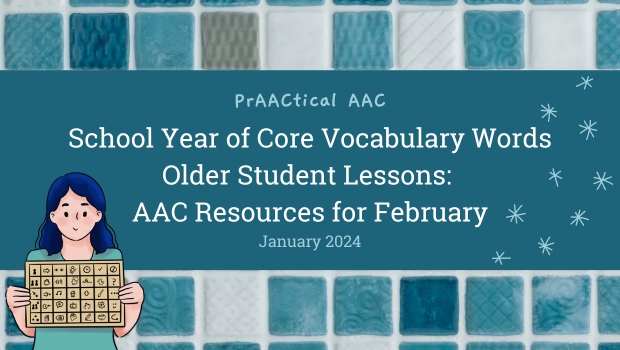
- Older Student Lessons: Designed to address the dignity of risk and age-appropriate content, these resources move away from simplistic icons toward topics relevant to teenagers, such as social dynamics, independent living, and academic inquiry.
The availability of these resources in a downloadable, printable format ensures that they remain accessible regardless of the user’s specific technical infrastructure. The PrAACtical AAC platform continues to serve as a hub for these documents, encouraging practitioners to print and adapt them to meet the unique needs of the individuals they support.
Broader Impact and Future Outlook
The sustained growth of the Year of Core Vocabulary project serves as a case study for how digital collaboration can advance the field of disability rights and speech therapy. By lowering the barriers to entry for AAC instruction, the community is essentially advocating for a more inclusive educational environment.
Looking forward, the challenge for the field will be to continue adapting these models for diverse communication profiles, including those with sensory processing differences or cognitive impairments. However, the existing repository provides a robust framework that, when implemented with fidelity, has the potential to transform the communicative lives of thousands of individuals. As the calendar turns to February, the re-introduction of these resources ensures that the momentum of the AAC movement remains steady, providing both the tools and the pedagogical roadmap necessary for meaningful, lifelong communication.