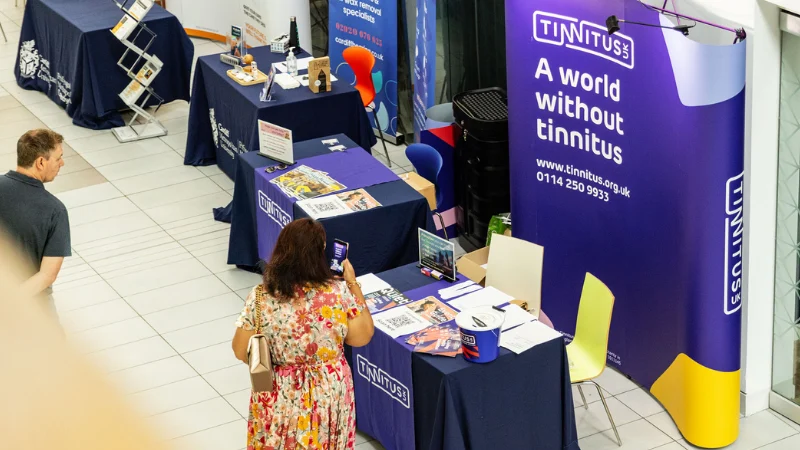
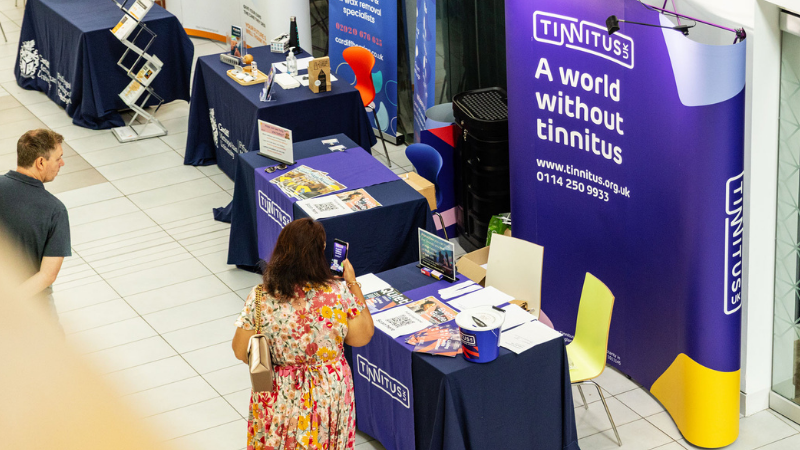
The event served as a critical point of contact for the tinnitus community, a group frequently underserved by traditional, fragmented clinical pathways. By bridging the gap between tertiary medical research and daily patient care, the initiative aimed to dismantle the pervasive myth that tinnitus is an untreatable symptom to be ignored. Instead, the program emphasized proactive management strategies, psychological resilience, and the power of peer-led support.
Contextualizing the Tinnitus Crisis
Tinnitus, defined as the perception of sound without an external source, is often categorized as a secondary symptom of underlying hearing loss, ear injury, or circulatory issues. However, the psychological burden of the condition—which can manifest as chronic anxiety, sleep disturbance, and clinical depression—often requires a multidisciplinary approach that standard general practice settings are ill-equipped to provide.

According to national health data, the prevalence of tinnitus is expected to rise alongside an aging population and increased exposure to high-decibel environments. Despite this, the clinical "standard of care" often defaults to a dismissive approach, with patients frequently told by primary care providers to "stop thinking about it." This advice is considered medically counterproductive by modern standards, as it reinforces a cycle of hyper-vigilance and distress. The Cardiff event sought to challenge this narrative by providing participants with actionable, evidence-based coping mechanisms.
Chronology of the Cardiff Initiative
The day-long program was meticulously structured to move participants from basic understanding to advanced self-management techniques. The morning sessions focused on the fundamentals of hearing health, featuring exhibitions from local industry leaders such as Cardiff Hearing and Minerva. By mid-morning, the focus shifted toward clinical intervention, with keynote addresses from academics specializing in neuro-otology.

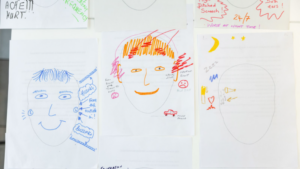
The afternoon was characterized by interactive workshops, most notably the demonstration of the Tinnitus Creative Toolkit. Developed in partnership with the Open University, this initiative represents a pivot in how the charity views rehabilitation. Rather than focusing solely on sound therapy or hearing aids, the toolkit utilizes creative expression as a mechanism for externalizing the internal distress associated with the condition. The day concluded with the announcement of a permanent, locally-based support group for the Cardiff and South Wales area, a development that signifies the event’s shift from a temporary information session to a foundation for long-term community infrastructure.
Data-Driven Approaches to Management
A compelling aspect of the Cardiff event was the emphasis on the correlation between physical activity and symptom reduction. While clinical research into the direct neurological cures for tinnitus remains ongoing, the consensus among specialists is that systemic lifestyle factors significantly influence the "intrusiveness" of the sound.
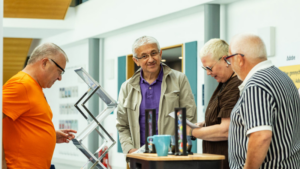
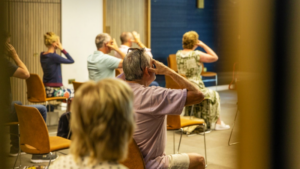
The event highlighted emerging data from European cohorts, particularly studies from France, which indicate that regular physical activity is one of the most effective lifestyle interventions for tinnitus management. The inclusion of chair yoga was not merely an aesthetic choice; it was a demonstration of accessible, low-impact exercise designed to stimulate circulation and promote the parasympathetic nervous system’s relaxation response. Preliminary feedback from the attendees suggested that this physical engagement resulted in an immediate, albeit temporary, reduction in the perceived loudness of their tinnitus, reinforcing the theory that somatic engagement can displace auditory distress.
Expert Insights and Clinical Perspectives
Professor Florian Vogt of University College London, the day’s lead speaker, underscored the necessity of integrating psychological support into the audiological standard of care. Professor Vogt’s research focuses on Cognitive Behavioral Therapy (CBT) techniques adapted for tinnitus, which aim to "retrain" the brain’s reaction to the auditory phantom signal.
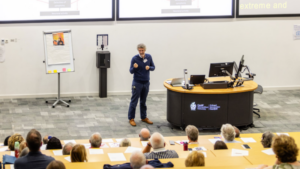
"Managing tinnitus is not about silencing the sound, but rather reducing the emotional reactivity to it," Professor Vogt noted during his address. By providing patients with a framework for sleep hygiene and anxiety reduction, the clinical community can significantly improve the quality of life for those living with chronic cases. The alignment of these academic insights with the practical, peer-led support offered by the charity creates a holistic model of care that is rarely replicated in public health settings.
The Efficacy of Peer Support Groups
Perhaps the most significant finding presented at the event was the statistic that 97% of participants in formal tinnitus support groups report a subjective improvement in their condition. This figure, while self-reported, aligns with broader psychological research into chronic illness, which suggests that social validation and the normalization of symptoms are primary predictors of mental health stability.

The establishment of a new, dedicated support group in Cardiff is, therefore, a public health intervention in its own right. By creating a space for shared experience, the charity effectively reduces the social isolation that frequently exacerbates the severity of the condition. In the context of the UK’s healthcare landscape, where waiting lists for audiology and ENT specialists continue to stretch for months, these community-led groups serve as a vital safety net.
Strategic Implications for Tinnitus UK
The success of the Cardiff Information Day has direct implications for the charity’s future operational strategy. As the organization looks toward its next event in Bournemouth on September 5, it is clear that the "hub-and-spoke" model—combining national expertise with local community building—is the most effective way to scale support services.
However, the financial model supporting these events remains a point of concern. Currently, the charity maintains these sessions as free-to-attend to ensure maximum accessibility, regardless of socioeconomic status. This reliance on voluntary contributions, memberships, and legacy gifts highlights the precarious nature of specialized health support in the current economic climate. Should funding streams tighten, the ability to maintain these free resources will be compromised, potentially leaving thousands of new patients without the specialized guidance they require.
Future Outlook and Policy Considerations
The event in Cardiff serves as a microcosm for the broader challenges facing audiology in the UK. With the rise of digital health tools and telehealth, there is an ongoing debate regarding the role of in-person community events. However, the overwhelming positive feedback from the Cardiff attendees suggests that digital platforms cannot replicate the empathetic, in-person connection provided by shared-experience environments.

Looking forward, policymakers may need to consider how these grassroots support models can be better integrated into the National Health Service (NHS) framework. Currently, the burden of "living well" with tinnitus is largely placed on the individual. A more robust partnership between the medical establishment and third-sector organizations like Tinnitus UK could lead to a more efficient triage system, where patients are directed toward peer support groups as part of their initial care plan, rather than as a last resort.
As Tinnitus UK prepares for its autumn schedule, the focus will likely remain on refining these Information Days to reach more remote regions of the country. The Cardiff event has proven that the demand for high-quality, scientifically-backed, and empathetic support is not only present but critical for the long-term health outcomes of a significant portion of the population. By bridging the gap between clinical research and daily reality, the charity is performing a function that is increasingly vital in a healthcare system struggling to meet the diverse needs of its patients.
The path toward better tinnitus management is clearly defined by the success of the Cardiff event: a combination of expert clinical input, accessible physical and psychological strategies, and the undeniable power of community-led peer support. Whether through the implementation of creative toolkits or the creation of local chapters, the evidence is conclusive—nobody should be expected to navigate the complexities of tinnitus in isolation.