The Genesis of a Movement: From Clinic to Community
For years, the professional landscape of speech-language pathology in Colombia—and much of the global south—was dominated by a medical model that prioritized oral speech as the primary metric of successful communication. Ángela Marcela Ordóñez, reflecting on her clinical practice, identified a persistent disconnect between the therapy room and the reality of the daily lives of AAC users. The central challenge was twofold: the isolation of the individual during one-on-one sessions and the lack of authentic, peer-to-peer communicative environments.
The project, which materialized in late 2025 in the municipality of Rionegro, serves as a response to the inherent limitations of traditional therapy. The core objective was to facilitate spaces where AAC users could interact with one another rather than solely relying on neurotypical, speaking communication partners. This shift in pedagogical focus mirrors global trends toward "Relationship-Based Learning," where the quality of the connection is prioritized over the rigid adherence to clinical drills.
Chronology of Implementation
The development of VOZ SOS CAAPAZ followed a deliberate, research-informed trajectory. The timeline of its inception and early expansion highlights the methodical approach taken by its organizers:
- 2024: Ordóñez joins the "CAAmigos Angelman" program, a virtual initiative led by Claudia Marimón. This provided the foundational exposure to neuroaffirmative practices and a comprehensive literacy model that would later inform the structure of the Rionegro meetings.
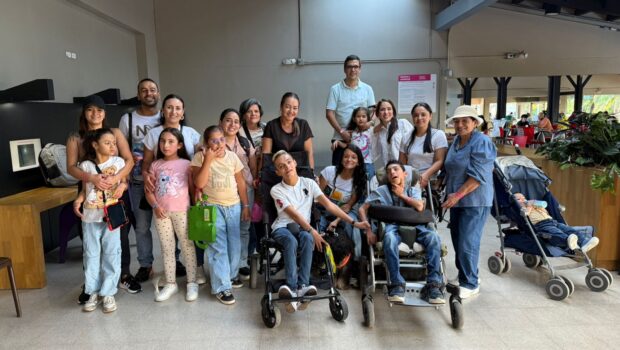
- October 2025: The first in-person gathering is held at the Parque Comfama in Rionegro, Antioquia. This date was strategically chosen to coincide with AAC Awareness Month. The event drew six AAC users, ten family members, and a variety of interested public observers.
- Late 2025: The project gains momentum as participants and families demonstrate clear demand for sustained, recurring interaction.
- February 2026: The first structured, in-person "Shared Reading" session is hosted at a public library in Rionegro, marking the project’s transition from general social gatherings to specific educational goals rooted in literacy development.
Data-Driven Insights and Technological Diversity
The participant demographics at these events illustrate the broad spectrum of AAC needs and the diversity of technology currently in use within the Colombian region. During the October 2025 event, the technological landscape included:
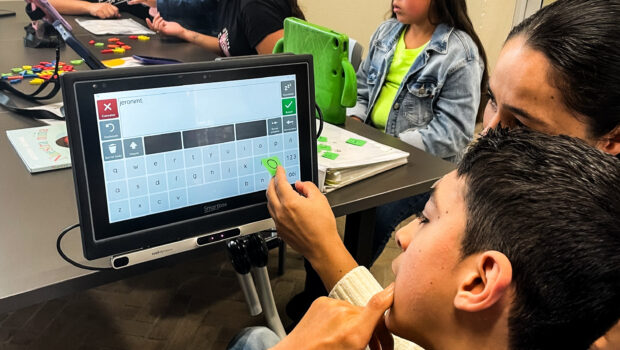
- Td Snap: Utilized by one participant as a primary communication interface.
- Communicator 5: Paired with specialized eye-tracking hardware for one participant with significant motor challenges.
- Proloquo2go: Used by two participants, highlighting the popularity of high-functionality mobile software.
- Grid for iPad: A primary tool for one participant, emphasizing the shift toward accessible, portable tablet-based systems.
- Grid 3: Paired with eye-tracking technology for one participant.
This diversity of hardware and software underscores the importance of a flexible, adaptable approach. The project does not promote a "one-size-fits-all" device but rather validates the user’s chosen modality, whether it be software-based, switch-accessed, or eye-controlled. By creating a physical space where these different technologies coexist, the project acts as a vital bridge between high-tech manufacturers and the daily life of the end-user.
Theoretical Foundations and Academic Influence
The legitimacy of the VOZ SOS CAAPAZ project is anchored in contemporary research and critical discourse within the field of assistive technology. Specifically, the initiative draws upon the intellectual framework provided by Gran Blasko, whose 2025 publication in the ISAAC AAC journal challenged the industry to adopt the mantra: "Nothing about AAC users without AAC users."
This principle is the cornerstone of the Rionegro meetings. By involving AAC users in the planning and execution of the meetings, Ordóñez has shifted the power dynamic from a "therapist-led" to a "community-led" model. This approach is supported by the "Comprehensive Literacy" model, a framework pioneered by experts such as Erin Sheldon, which posits that all individuals, regardless of their current communication level, have a fundamental right to literacy. By exposing non-speaking individuals to print and literary interaction, the project treats communication as a human right rather than a clinical outcome to be "fixed."
Broader Implications for Clinical Practice
The implications of the VOZ SOS CAAPAZ project extend beyond the municipality of Rionegro. It challenges the conventional view that speech-language pathologists must function as the primary authority in a room. Instead, the role of the professional is redefined as a facilitator who supports communication partners—including parents, siblings, and educators—in becoming "learners of the system."
This shift addresses the critical issue of "communicative ceilings." Many families report that therapeutic interventions often stop at the basics, failing to provide the sophisticated tools necessary for complex thought or educational advancement. By creating an environment where high-level literacy is encouraged, VOZ SOS CAAPAZ effectively raises the ceiling, allowing participants to express needs, share experiences, and engage in the community at a higher level of autonomy.
Public Reception and Future Directions
The feedback from participants has been overwhelmingly positive. One participant, Pablo Andrés Calderón Gómez, expressed the sentiment shared by many attendees: "I met other friends. We need more people with this Right to Communication." This request for broader access highlights the untapped demand for similar initiatives across Latin America.
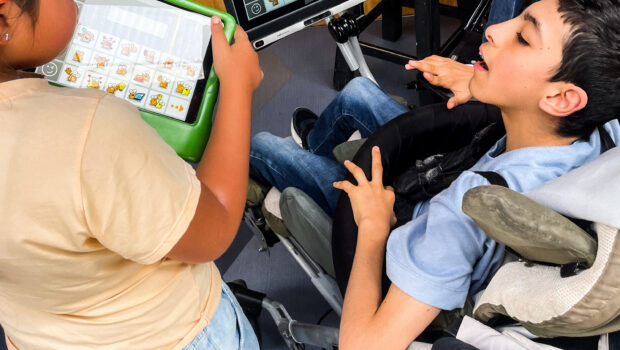
The current model, which consists of monthly meetings, is designed for scalability. As the project grows, the challenge will be to maintain the "horizontal" nature of the relationships while expanding to accommodate more users. The long-term goal is to turn these meetings into a self-sustaining network where experienced users mentor those newer to the system.
Conclusion: Redefining the Right to Voice
The work of Ángela Marcela Ordóñez in Rionegro represents a vital, modern approach to disability advocacy. By grounding the project in the concept of "presuming competence"—the belief that every individual has the capacity to learn and communicate—the VOZ SOS CAAPAZ initiative is successfully shifting the narrative from impairment to empowerment.
As the project enters its next phase of development, it serves as a case study for professionals globally. It demonstrates that when therapeutic practice moves out of the clinic and into the public sphere, it fosters a level of engagement, social connection, and learning that traditional settings often fail to replicate. For the community of Antioquia, and the broader field of AAC, this project is a clear indicator that the future of communication is inclusive, collaborative, and deeply rooted in the autonomy of the user.