The Scale of the Hearing Loss Crisis
The sheer magnitude of hearing loss globally is staggering. More than 1.5 billion individuals are estimated to have some level of hearing impairment, with approximately 430 million requiring rehabilitation for disabling hearing loss, defined as hearing loss greater than 35 decibels in the better hearing ear. This latter figure represents over 5% of the world’s population, highlighting the substantial number of people whose daily lives are significantly affected. Projections from the WHO paint a concerning future: by 2050, the number of people with some hearing loss could nearly double to 2.5 billion, and over 700 million, or roughly one in every ten people, may require hearing rehabilitation.
This global burden is not equitably distributed. A disproportionate nearly 80% of individuals with disabling hearing loss reside in low- and middle-income countries, where access to essential ear and hearing care services is often limited. This disparity exacerbates existing health inequalities and underscores the critical need for targeted public health initiatives and resource allocation.
It is important to acknowledge that different studies may yield varying prevalence figures due to differences in the hearing thresholds used for definition, the age groups studied, the methodologies employed for testing, and the specific criteria for defining hearing loss. Therefore, understanding the context behind these statistics is as crucial as the numbers themselves.
Global Hearing Loss Statistics at a Glance
The World Health Organization’s 2021 World Report on Hearing provides a comprehensive overview of the global hearing landscape:
- Broadest Global Prevalence: More than 1.5 billion people experience some degree of hearing loss.
- Disabling Hearing Loss: Approximately 430 million individuals require rehabilitation for disabling hearing loss (defined as hearing loss greater than 35 dB in the better hearing ear).
- Age-Related Prevalence: Over 25% of individuals aged 60 and above have disabling hearing loss, indicating a strong correlation between age and the severity of hearing impairment.
- Pediatric Impact: An estimated 95.1 million children aged 5 to 19 years live with hearing loss, highlighting that hearing impairment affects individuals across the entire lifespan.
- Future Projections (2050): Nearly 2.5 billion people are projected to have some degree of hearing loss.
- Future Rehabilitation Needs (2050): More than 700 million people may require hearing rehabilitation, equivalent to about 1 in 10 individuals globally.
It is crucial to note that these WHO estimates primarily focus on hearing loss in the better-hearing ear. This means that unilateral hearing loss (hearing loss in one ear only), including single-sided deafness (SSD), may not be fully captured. Consequently, the total number of individuals experiencing clinically significant hearing loss could be higher than these figures suggest.
Regional Disparities in Hearing Loss Prevalence
While global figures provide a broad perspective, significant regional variations exist in the prevalence of hearing loss. The WHO’s 2021 World Report on Hearing offers regional estimates for hearing loss of moderate or higher grade across its six defined regions. These public health groupings do not always align perfectly with continental or political boundaries:
- Western Pacific Region: Reports the highest number of individuals with moderate-to-higher hearing loss, at 136.5 million, representing a regional prevalence of 7.1%.
- European Region: Affects an estimated 57.3 million people, with a regional prevalence of 6.2%.
- Region of the Americas: Impacts 62.7 million people, also with a 6.2% regional prevalence.
- South-East Asia Region: Accounts for 109.4 million individuals with moderate-to-higher hearing loss, at a prevalence of 5.5%.
- African Region: Shows a prevalence of 3.6%, affecting 39.9 million people.
- Eastern Mediterranean Region: Has the lowest reported prevalence at 3.1%, affecting 22.1 million people.
Europe in Context: A Deeper Look
Within the European Region, the statistic of 6.2% of the population, or 57.3 million people, experiencing moderate-to-higher hearing loss is significant. However, when milder degrees of hearing loss are also considered, the number escalates dramatically. An estimated 190 million individuals, approximately one in five people in the region, are believed to experience at least some form of hearing loss. It is important to clarify that the WHO European Region encompasses 53 countries across Europe and Central Asia, a scope considerably broader than the European Union alone.
Understanding the Nuances: Hearing Loss vs. Deafness
The terminology surrounding hearing impairment can sometimes lead to confusion. Hearing loss and deafness are not interchangeable terms, and their definitions can vary across clinical, social, cultural, and identity contexts. The WHO defines deaf individuals as those who primarily experience profound hearing loss, characterized by very little or no hearing ability. Hearing loss itself exists on a spectrum, ranging from mild to profound, and can affect one or both ears.

The discrepancies in population estimates for hearing loss and deafness often stem from the specific definitions employed, the age demographics of the populations studied, the availability of local data, and the methodologies used for estimation. For instance, WHO regional estimates frequently rely on a combination of population-based hearing studies and other epidemiological data, often employing statistical modeling to derive prevalence figures, particularly in regions where direct data is scarce. This reliance on modeling can introduce a degree of variability in the final estimates. Consequently, there is no single, universally applicable percentage that can encapsulate every individual experiencing hearing loss.
Hearing Loss Across the Lifespan: A Growing Concern
Hearing loss is not an ailment confined to older age; it can impact individuals at any stage of life. However, its prevalence demonstrably increases with age. As mentioned, over a quarter of people aged 60 and above worldwide are affected by disabling hearing loss.
Children and Young Adults: Early Onset and Preventable Risks
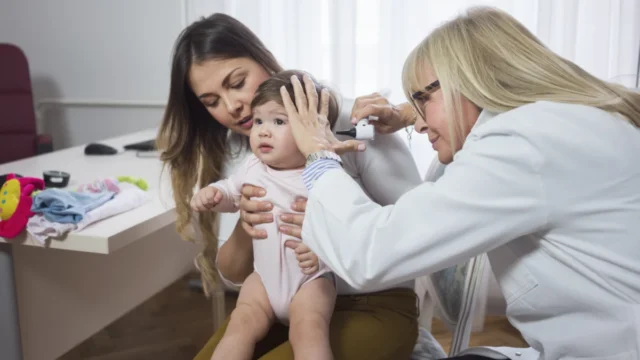
Globally, approximately 95.1 million children and adolescents aged 5 to 19 years live with hearing loss. This can be congenital, meaning present at birth, or acquired later in life due to genetic factors, infections, chronic ear conditions, injuries, or exposure to excessive noise. Early identification of the signs of hearing loss in children is paramount for parents and caregivers to ensure timely intervention and support.
Alarmingly, the WHO estimates that over 1 billion young adults are at risk of developing permanent, avoidable hearing loss. This risk is largely attributed to unsafe listening practices, including prolonged exposure to loud music and entertainment sound through personal audio devices and at live events.
Adults and Older Adults: The Gradual Onset of Presbycusis
Age-related hearing loss, medically known as presbycusis, typically develops gradually. This insidious progression often means that individuals may not immediately recognize the extent of their hearing decline. While aging is a primary factor, other influences such as genetics, underlying health conditions, certain medications, occupational noise exposure, and recreational noise levels also play significant roles. Access to preventative care and timely audiological services are critical in managing and mitigating the effects of age-related hearing loss.
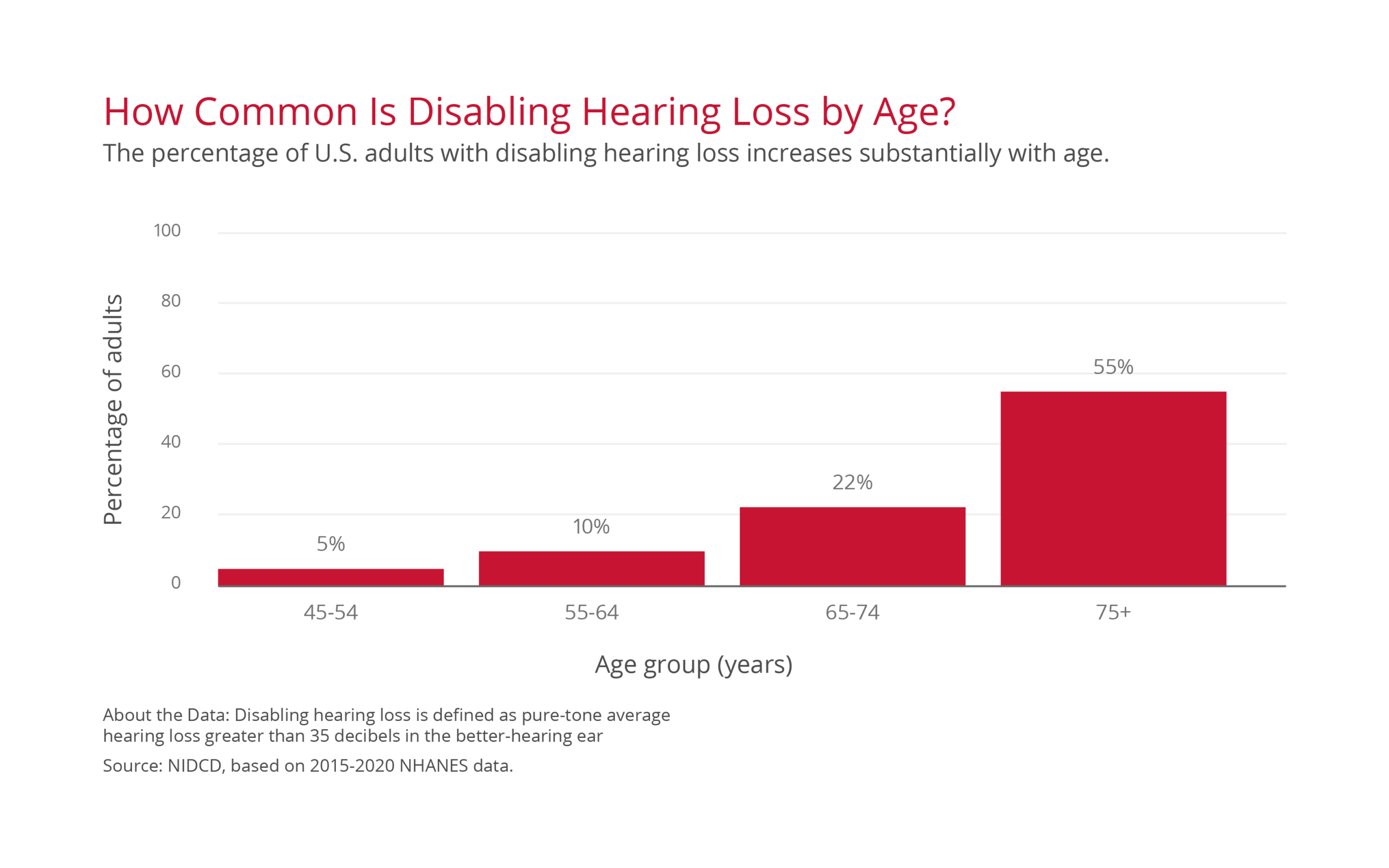
A visual representation of this trend, as depicted in a bar chart, clearly illustrates how the prevalence of hearing loss significantly increases among older adult populations, underscoring the cumulative impact of various risk factors over time.
Country Spotlight: Hearing Loss Statistics in the United States
In the United States, data from the National Institute on Deafness and Other Communication Disorders (NIDCD) provides a detailed picture of hearing loss prevalence across different demographics:
- Congenital Hearing Loss: Approximately 2 to 3 out of every 1,000 infants born in the U.S. have detectable hearing loss in one or both ears, as reported by the CDC’s early hearing detection and intervention program.
- Adolescent and Adult Hearing Loss: Around 1 in 8 individuals aged 12 and older experience hearing loss in both ears, based on audiometric examinations from the National Health and Nutrition Examination Survey (NHANES).
- Self-Reported Hearing Difficulty: Approximately 15% of U.S. adults aged 18 and over, translating to about 37.5 million people, report experiencing some trouble hearing, according to the National Health Interview Survey (NHIS), which relies on self-reporting.
- Hearing Aid Candidacy: An estimated 28.8 million adults in the U.S. could potentially benefit from hearing aids, based on NHANES data regarding hearing thresholds and candidacy criteria.
- Hearing Aid Utilization: Among adults aged 70 and older who could benefit from hearing aids, fewer than one-third actually utilize them, according to NHANES analyses comparing measured hearing loss with reported hearing aid use.
It is important to note that direct comparisons between WHO and NIDCD statistics should be made with caution, as they often employ different measurement standards and thresholds. Furthermore, some NIDCD statistics, particularly those related to "trouble hearing," may encompass single-sided deafness (SSD) and unilateral hearing loss (UHL), which can influence the reported numbers.
Unpacking the Risk Factors for Hearing Loss
The causes of hearing loss are multifaceted, with various risk factors influencing auditory health from before birth through adulthood.
Aging: The Natural Progression
As individuals age, natural changes in the inner ear can lead to a gradual decline in hearing ability. Age-related hearing loss typically affects both ears symmetrically and can make it particularly challenging to understand speech, especially in noisy environments.
Loud Noise Exposure: A Preventable Culprit
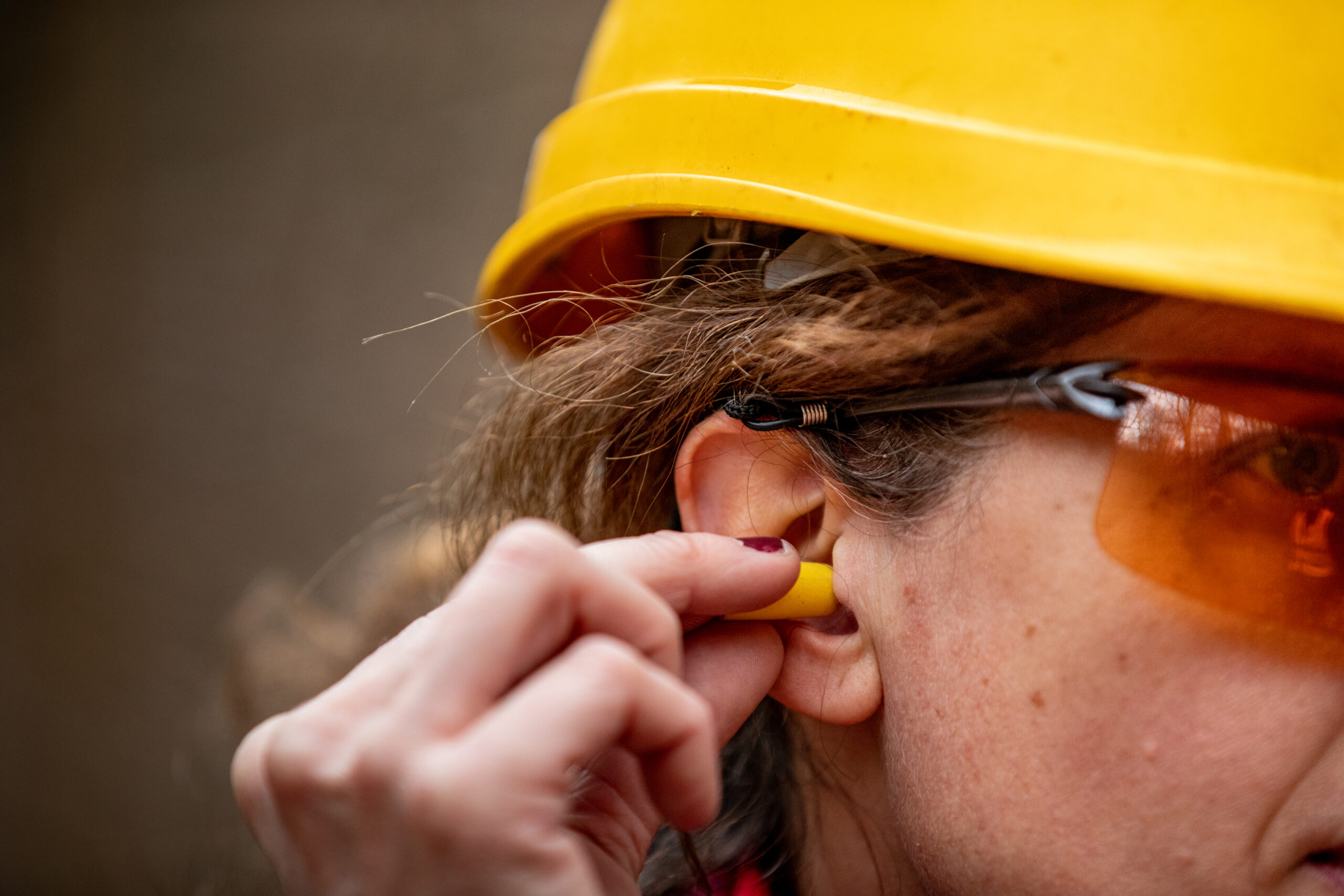
Repeated or intense exposure to loud noise is a significant contributor to hearing damage. The delicate structures within the inner ear, including the sensory hair cells crucial for converting sound vibrations into electrical signals, can be irreversibly harmed by excessive noise. Common sources of damaging noise include loud workplaces, the operation of power tools, attendance at concerts and other entertainment venues, and the use of personal audio devices at unsafe volumes. Implementing ear protection in noisy environments, taking regular listening breaks, and adhering to safe listening practices are vital strategies to minimize the risk of noise-induced hearing loss.
Other Contributing Factors
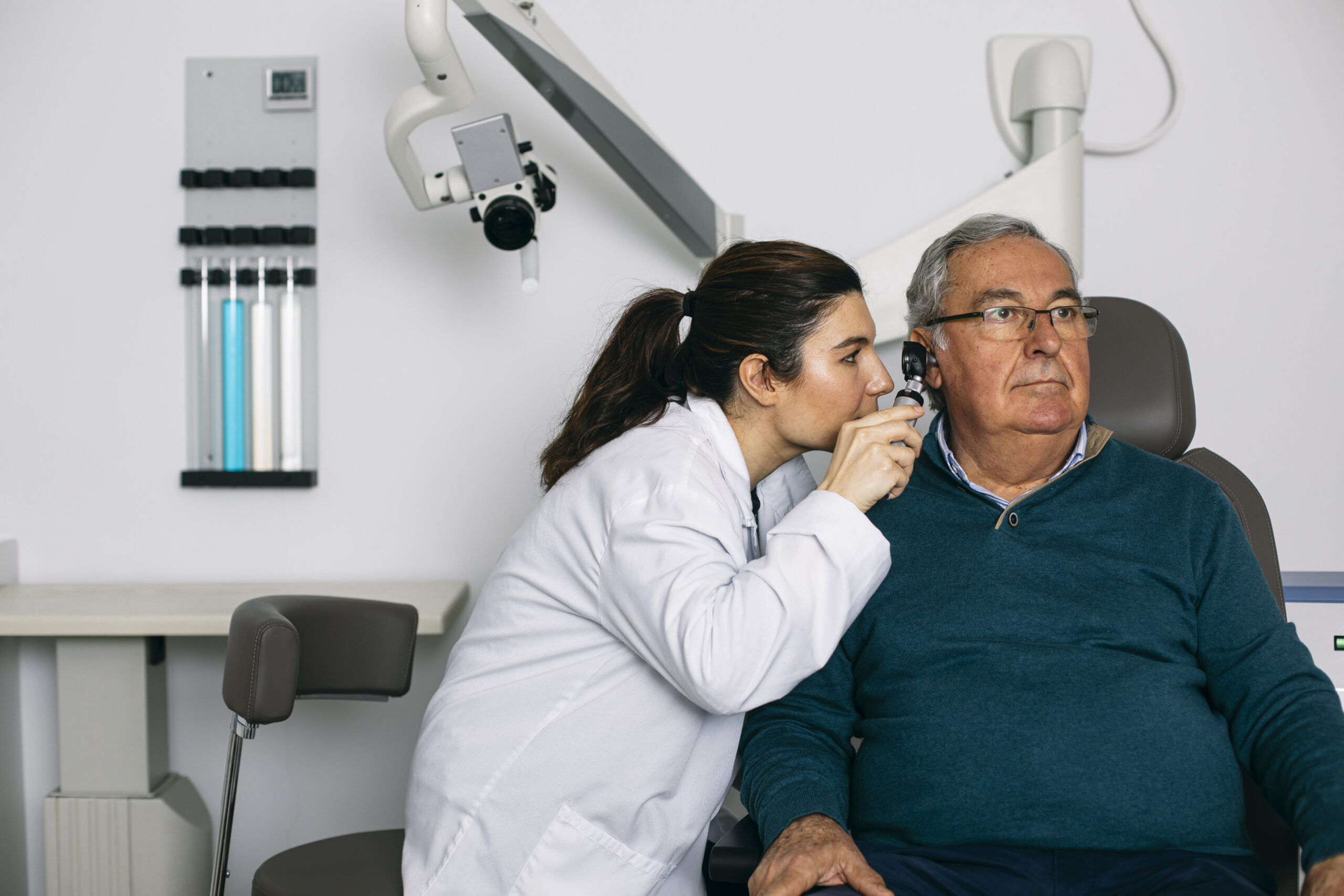
Beyond aging and noise exposure, a range of other factors can contribute to hearing loss. These include genetic predispositions, sex, infections (such as meningitis or measles), chronic ear conditions, head injuries, certain systemic health conditions (like diabetes or cardiovascular disease), smoking, and exposure to ototoxic medications – drugs known to have a detrimental effect on hearing. Given the diverse array of potential causes and types of hearing loss, a professional hearing assessment is indispensable for anyone experiencing changes in their auditory perception.
The Significance of Hearing Loss Statistics: Beyond the Numbers
Hearing loss statistics serve as a critical indicator of a widespread public health issue. They highlight that hearing difficulties are not isolated incidents but rather a common global phenomenon affecting individuals across all regions. Furthermore, these statistics reveal a persistent challenge: many individuals with hearing loss remain undiagnosed or untreated.
The implications of unaddressed hearing loss are profound and far-reaching. It can severely impair communication, leading to social isolation, reduced educational attainment, diminished employment opportunities, and a significant decline in overall quality of life. The WHO has identified hearing loss as a major global public health concern, estimating that the economic burden of unaddressed hearing loss amounts to nearly US$ 1 trillion annually in global costs.
While statistics provide invaluable context for understanding the scope of the problem, they cannot replace individual assessment. The only reliable method to determine the presence, type, and degree of hearing loss is through a professional hearing evaluation.
When to Seek a Hearing Test: Recognizing the Signs
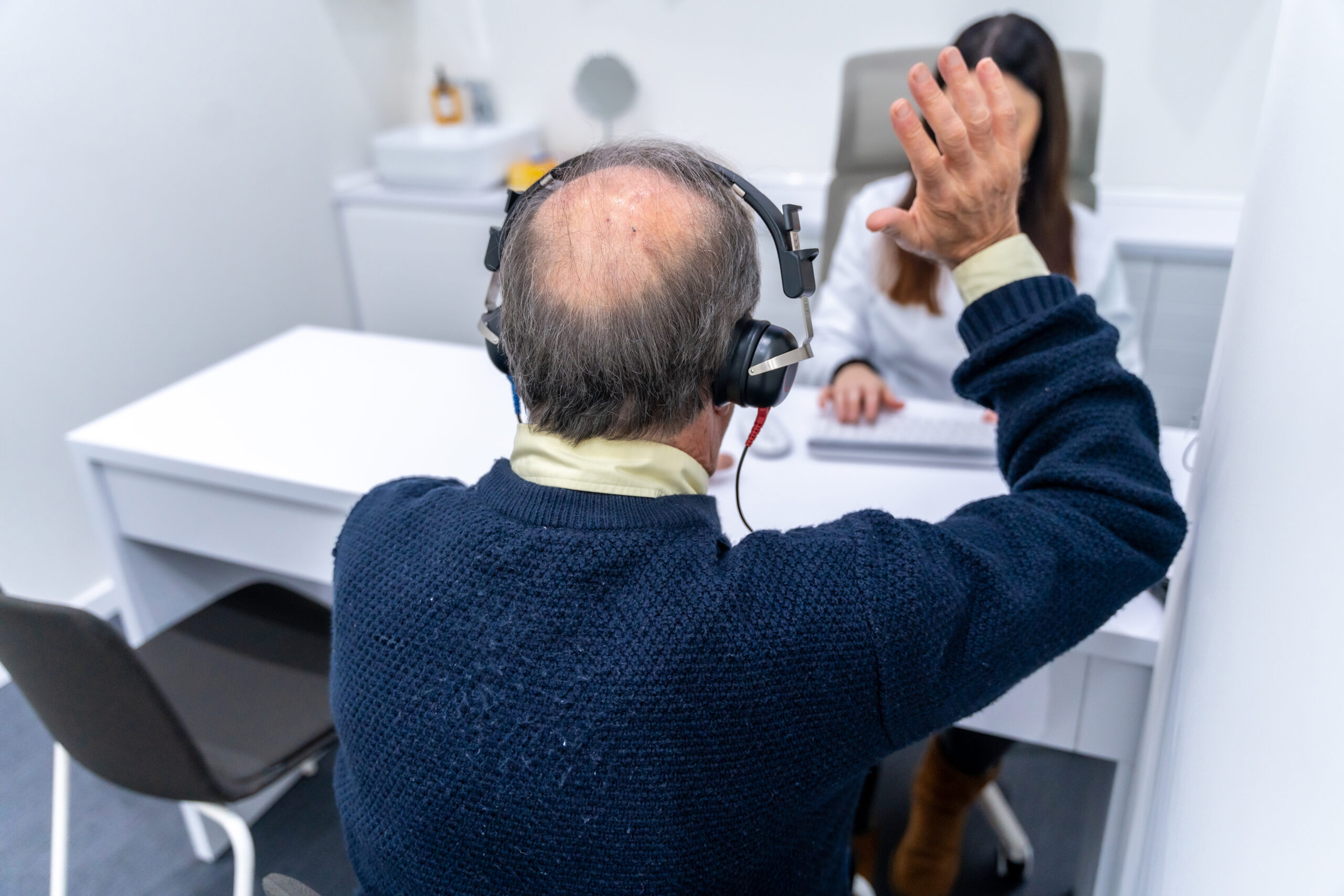
Proactive assessment of hearing health is crucial. Individuals should consider scheduling a hearing test if they notice any of the following changes:
- Frequently asking others to repeat themselves.
- Difficulty understanding conversations, especially in group settings or noisy environments.
- Turning up the volume on the television or radio to levels others find too loud.
- Experiencing ringing, buzzing, or hissing sounds in the ears (tinnitus).
- Feeling that sounds are muffled or indistinct.
- Avoiding social situations due to difficulty hearing.
- Experiencing fatigue or headaches after prolonged listening.
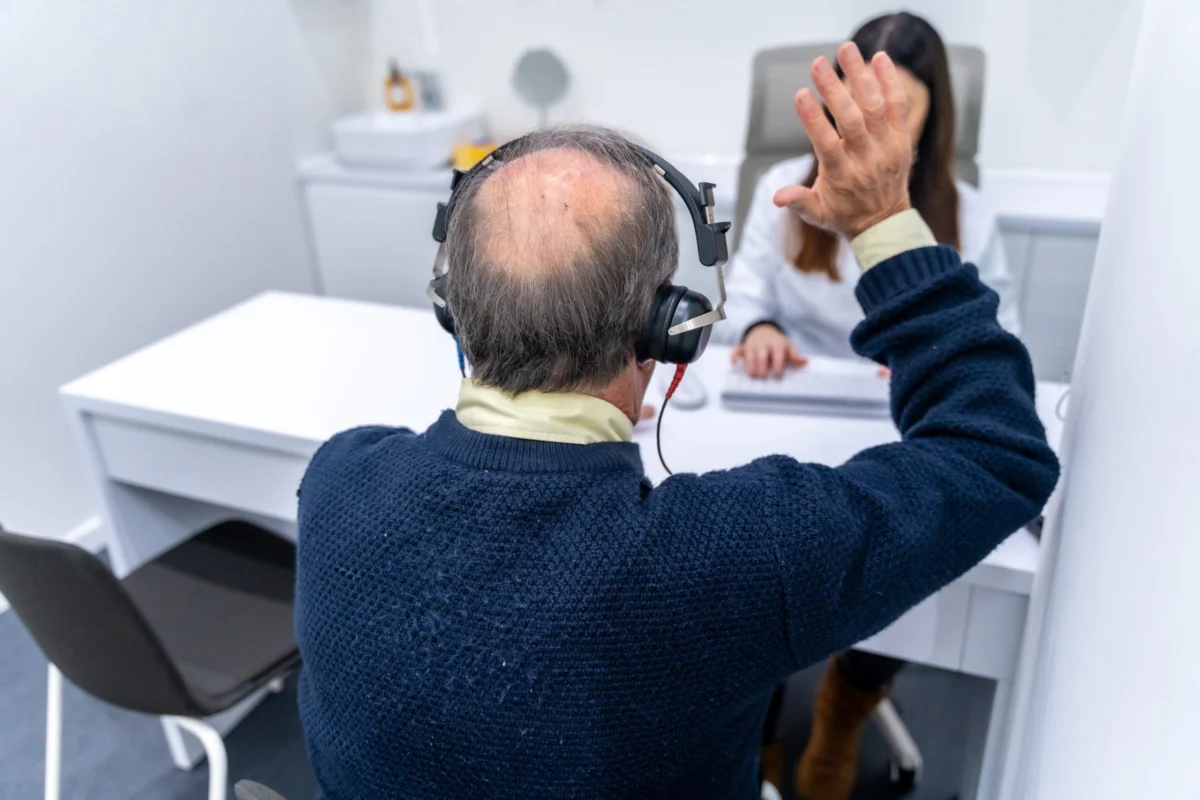
A hearing screening can serve as a valuable initial step in identifying potential issues. For a definitive diagnosis and to understand the specific nature and severity of any hearing loss, a comprehensive audiological assessment by a qualified professional is recommended.
For those diagnosed with hearing loss, various solutions can significantly improve communication and quality of life. Hearing aids are effective for many individuals with mild to moderate hearing loss. For those experiencing severe-to-profound hearing loss, cochlear implants and other implantable hearing solutions offer advanced auditory rehabilitation options, which should be discussed thoroughly with a hearing care professional. The optimal solution is always tailored to the individual’s specific hearing profile, needs, and professional medical advice.
Key Global Hearing Loss Takeaways
The global landscape of hearing loss is characterized by its widespread prevalence, affecting individuals across all life stages and geographic regions. While the raw numbers and prevalence rates vary between regions and are influenced by differing methodologies and definitions, the overarching trend points to a growing public health concern.
A critical issue remains the substantial gap between the number of people with hearing loss and those receiving diagnosis or treatment. This underdiagnosis and undertreatment contribute significantly to the global burden of the condition. For individuals experiencing any changes in their hearing, seeking professional advice from a hearing specialist as soon as possible is the most impactful step towards effective management and improved well-being.

About the Author:
Dr. Yi Ge, a certified otolaryngologist, has been a pivotal figure at MED-EL since 2003, contributing across clinical, regulatory, and medical affairs. Currently serving as the Senior Manager of Medical Affairs at MED-EL Innsbruck, her expertise lies in assessing medical processes to support product development and risk management. Dr. Ge’s dedication to patient-centered innovation in hearing healthcare is driven by her profound knowledge of hearing implant systems and global regulatory frameworks.
Disclaimer: The content provided on this website is for general informational purposes only and should not be construed as medical advice. Consult with your physician or a qualified hearing specialist to determine the most appropriate hearing solution for your individual needs. Product availability and indications may vary by country.
© MED-EL Medical Electronics. All rights reserved.