The Significance of the NAD CEO Position
The NAD serves as a multifaceted entity, operating as both a powerful advocacy group and a resource hub for a diverse constituency. The role of the CEO requires a unique synthesis of skills: political acumen, administrative proficiency, and a profound, lived understanding of the cultural and linguistic nuances of the American Deaf community. Historically, the NAD has been instrumental in shaping landmark legislation, most notably the Americans with Disabilities Act (ADA) of 1990. The incoming CEO will be expected to build upon this legacy while addressing modern systemic barriers, such as the digital divide in telecommunications, the integration of artificial intelligence in captioning services, and the protection of American Sign Language (ASL) rights in healthcare and education.
The organization’s governance model, which relies on a Board of Directors elected by its membership, ensures that the CEO remains accountable to the community they serve. Consequently, the search process has been designed to prioritize community input, ensuring that the final candidate is not only professionally qualified but also broadly supported by the organization’s stakeholders.
A Chronology of the Search Process
The search for a new CEO began in earnest following a period of organizational reflection and strategic planning by the NAD Board. Recognizing that the leadership requirements for an organization of this size—which manages nationwide programs, legal defense funds, and biennial conferences—had evolved, the Board elected to utilize external expertise to conduct a national search.
In late 2023, the Board partnered with Innivee Strategies, a firm recognized for its experience in organizational leadership development within the Deaf and hard-of-hearing community. The following timeline outlines the progression of the search:
- Phase 1: Needs Assessment: Throughout the latter half of 2023, the NAD Board conducted a series of community surveys and virtual town hall meetings. The goal was to identify the specific competencies required for the next leader, including advocacy priorities and management styles.
- Phase 2: Prospectus Development: Based on the data gathered during Phase 1, a formal prospectus was finalized. This document outlined the core duties of the CEO, the expectations for organizational growth, and the desired qualifications.
- Phase 3: The Call for Candidates: The formal search was launched in early 2024, utilizing professional networks, social media, and direct outreach to identify potential candidates who possess the necessary blend of leadership experience and community advocacy.
- Phase 4: The Final Deadline: The current period serves as the final push for applications, concluding on March 2. Following this date, the search committee will begin the extensive process of vetting, interviewing, and narrowing the candidate pool.
Community-Centric Recruitment Data
The emphasis on community input is not merely a formality but a core tenet of the NAD’s operational philosophy. Preliminary data from the community surveys indicated that stakeholders are primarily concerned with three major areas: organizational sustainability, legislative efficacy, and inclusive representation.
According to reports released by the NAD Board, respondents to the focus groups prioritized candidates who demonstrate an ability to work collaboratively with state associations. Because the NAD is a federation of state associations, the CEO must possess the ability to bridge the gap between national policy objectives and the local, ground-level issues faced by deaf individuals in diverse geographic regions. Furthermore, the search criteria emphasize the need for a candidate who is fluent in American Sign Language and possesses a deep connection to Deaf culture, as these are viewed as non-negotiable requirements for establishing credibility within the movement.
Official Statements and Organizational Transparency
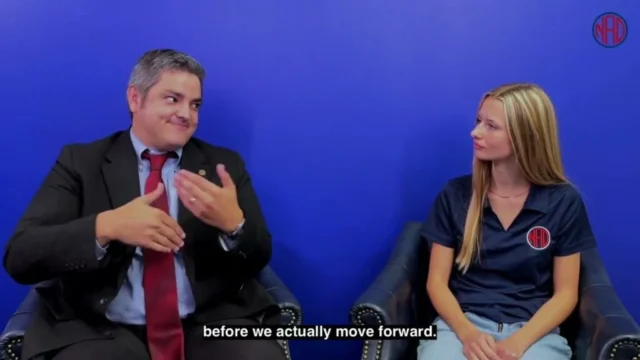
NAD President Stephanie Hakulin has emphasized the importance of transparency throughout this transition. In a recent video update to the membership, Hakulin noted that the influx of applications has been promising, reflecting a high level of engagement from the community.
"The prospectus was shaped by your voices through community surveys and focus groups, and it truly reflects what our community wants and needs in our next leader," Hakulin stated. This emphasis on a "community-grounded" search is designed to mitigate the risks associated with top-down executive hiring, ensuring that the incoming leader arrives with a clear mandate and the backing of the organization’s members.
The partnership with Innivee Strategies is also noteworthy. By outsourcing the initial screening and administrative heavy-lifting to a firm that specializes in the Deaf community, the NAD Board is able to maintain a focus on the broader mission of the organization while ensuring that the search adheres to industry best practices in executive recruitment.
Broader Implications for the Deaf Community
The hiring of a new CEO carries significant implications for the wider disability rights movement. The NAD is frequently at the forefront of litigation that establishes precedents for other organizations. For instance, the NAD’s ongoing advocacy regarding the accessibility of streaming media services and the integration of ASL interpreters in emergency broadcast systems has set the standard for how the United States approaches communication access.
The new CEO will inherit a landscape where technology is moving faster than policy. Issues such as the emergence of video conferencing as a standard professional tool have provided new opportunities for deaf professionals, yet have also created new challenges regarding technical accessibility and the quality of remote interpreting services. The CEO will need to be prepared to engage with federal agencies, such as the Federal Communications Commission (FCC) and the Department of Education, to ensure that the rights of the Deaf community are not eroded in the face of rapid technological change.
Moreover, the search comes at a time when the NAD is focusing on internal equity and diversity. The organization has made efforts to ensure that its leadership pipeline includes voices from intersectional backgrounds, including deaf individuals of color and those from the LGBTQ+ community. The selection of a CEO who can foster an inclusive internal culture is seen as essential to the organization’s long-term health and relevance.
Next Steps and How to Participate
For those considering applying, or for community members wishing to track the progress of the search, the NAD has maintained a dedicated portal at nad.org/ceosearch. This site provides a historical archive of all communications regarding the search, including the original prospectus and summaries of the community feedback sessions.
The deadline of midnight on March 2 is firm, as the search committee intends to move into the interview phase shortly thereafter. Once the initial round of interviews is completed, the committee is expected to present a shortlist of finalists to the Board of Directors. While the specific timeline for the final announcement has not been disclosed, the organization has pledged to keep the community informed at each major milestone of the transition.
In conclusion, the search for the next NAD CEO is more than a routine administrative task; it is an exercise in democratic governance within the advocacy sector. By prioritizing the voices of its members, the NAD is seeking to ensure that its next leader is well-equipped to face the multifaceted challenges of a digital-first, increasingly interconnected society. The upcoming weeks will prove decisive, as the organization moves toward selecting a candidate who will carry the mantle of leadership for one of the nation’s most enduring and vital civil rights institutions. Stakeholders are encouraged to review the prospectus, disseminate the information to qualified candidates, and continue to participate in the feedback process as the NAD enters this new chapter.