Historical Context and Evolution of the AAC Link Up
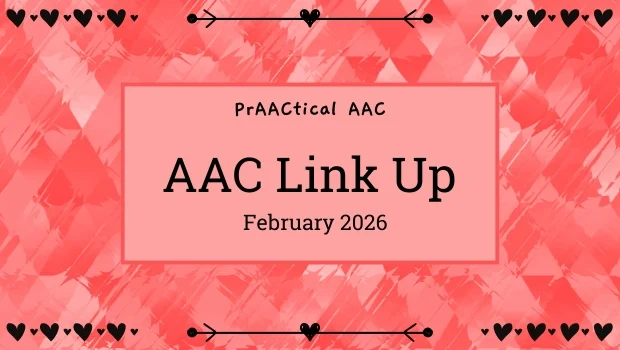
Historically, AAC practitioners often operated in silos, creating localized materials that remained inaccessible to the wider community. The Link Up initiative was designed to address this inefficiency by providing a moderated, open-access platform. Since its inception, the initiative has successfully bridged the gap between academic research and clinical application, ensuring that practitioners in remote or under-resourced areas have access to the same tools as those in major metropolitan research centers.
The Mechanism of Professional Knowledge Exchange
The platform operates on a decentralized submission model, which facilitates a rapid exchange of information. By utilizing a standardized submission form, participants can contribute various content types, including:
- Instructional Media: Video tutorials and demonstration clips showing the application of AAC devices in real-world scenarios.
- Pedagogical Materials: Slide decks, lesson plans, and customized visual aids designed for classroom or therapeutic integration.
- Product Development: Announcements regarding new hardware or software patches, which often undergo early testing by community members before widespread release.
- Research Dissemination: Links to recent peer-reviewed articles or conference presentations that offer evidence-based insights into communication disorders.
The moderation process, while necessary to prevent spam and ensure professional relevance, acts as a quality control filter. This ensures that the information shared is grounded in clinical best practices and adheres to the ethical standards of the speech-language pathology profession.
Data Trends in the AAC Community
Data indicates that the demand for digital resources in the AAC sector has surged since 2020. As teletherapy became a standard service delivery model, the need for high-quality, digitized AAC resources increased by an estimated 40% globally. Initiatives like the AAC Link Up have become essential in meeting this demand.
Current statistics from the broader assistive technology market show that approximately 5 million Americans rely on some form of AAC to communicate. As the user base grows, the diversity of needs—ranging from developmental disabilities to acquired conditions like ALS or stroke—has necessitated a more robust exchange of specialized resources. The February 17 Link Up is expected to host a significant influx of materials focused on "inclusive classroom design" and "AI-assisted communication," topics that currently dominate the discourse in professional journals.
Chronology of the February 2026 Session
The organizational timeline for the February 17 event follows a rigorous schedule designed to maximize engagement and ensure content integrity:
- Announcement Phase (February 3): The formal call for submissions is issued, establishing the parameters for acceptable content.
- Open Submission Window (February 3–16): Community members compile, verify, and submit their links. During this period, the editorial team monitors the submission queue for technical accuracy and relevance.
- Moderation and Review (Ongoing): Each entry is vetted to ensure it does not contain prohibited promotional spam and aligns with the professional standards of the community.
- Live Publication (February 17): The curated list is published, serving as a primary resource for the subsequent month.
- Post-Event Archiving: All links remain in the database, contributing to a growing historical archive of AAC innovation.
Perspectives on Collaborative Resource Sharing
The value of such an initiative is frequently cited by industry leaders as a primary driver of professional development. According to advocates within the American Speech-Language-Hearing Association (ASHA), the ability for practitioners to share "lived experience" resources—materials created in the heat of clinical work—often holds more practical utility than theoretical textbooks.
By fostering this culture of transparency, the AAC Link Up reduces the redundancy of work. Practitioners no longer need to spend hours designing a custom communication board for a specific syntax lesson if a colleague has already perfected one and shared it via the platform. This collaborative efficiency directly translates into more time spent on patient-centered care rather than administrative or clerical development tasks.
Broader Impact and Implications for the Field
The long-term implications of this collaborative model are profound. As the AAC field moves toward a more user-centric approach, the democratization of information provided by the Link Up ensures that the "user voice" is centered in the development of new materials.
Furthermore, the platform serves as an early-warning system for emerging trends. When a surge of content appears regarding a specific type of device or therapeutic technique, it alerts the broader community to shifts in clinical practice. This real-time feedback loop is arguably more responsive than traditional academic publishing, which can take months or even years to reflect changes in methodology.
However, the reliance on crowdsourced platforms also introduces challenges, primarily regarding intellectual property and accessibility standards. Ensuring that all shared materials meet Universal Design for Learning (UDL) guidelines and accessibility requirements remains a primary focus for the moderators. The effort to maintain a high standard of accessibility—ensuring that all uploaded PDFs are screen-reader compatible and all videos are captioned—is a core tenet of the AAC Link Up’s mission.
Future Directions for AAC Information Exchange
Looking forward, the integration of generative AI into the creation of AAC resources is expected to be a major theme for the remainder of 2026. Experts anticipate that the February 17 session will feature an increase in AI-generated templates and automated language-modeling tools that assist AAC users in constructing complex sentences more rapidly.
As the community continues to leverage digital infrastructure, the role of facilitators like Dr. Zangari becomes increasingly critical. By providing a secure, professional, and moderated space for information exchange, the AAC Link Up functions as more than just a list of links; it acts as a professional development network that sustains the clinical and educational rigor required to support millions of individuals with complex communication needs.
The February 17 event represents a commitment to the continuous improvement of communication outcomes. By lowering the barrier to entry for resource sharing, the community ensures that innovation is not restricted to those with institutional support, but is instead accessible to every practitioner, caregiver, and user committed to the principle that everyone deserves a voice. As the event approaches, the focus remains on the synthesis of technical expertise and compassionate care, cementing the AAC Link Up’s place as a cornerstone of the modern assistive technology landscape.