The 1995 Medical Milestone
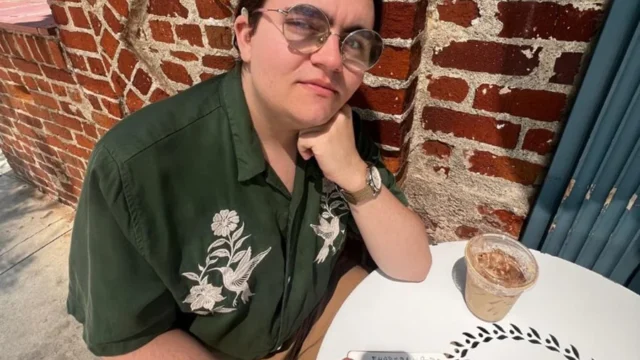
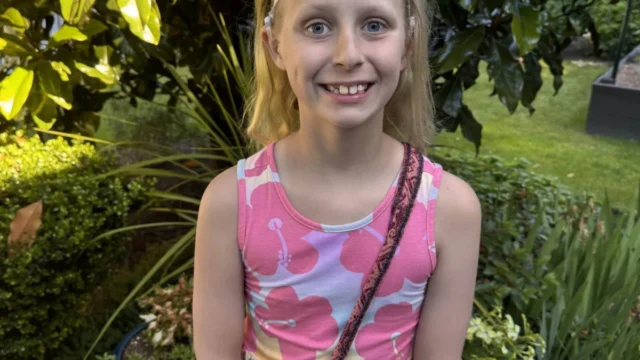
The foundation of Buckingham’s story was laid in 1995, a pivotal year in the history of pediatric audiology. At just 22 months old, Buckingham contracted pneumococcal meningitis, a severe infection that resulted in profound sensorineural hearing loss. In the mid-1990s, the clinical approach to pediatric cochlear implantation was still evolving, and candidacy criteria were far more restrictive than they are today.
Buckingham became the first child at Seattle Children’s Hospital to receive a cochlear implant. This procedure, performed during a time when the long-term cognitive and linguistic outcomes of such implants in toddlers were still being charted, was a high-stakes clinical intervention. The successful implantation marked the beginning of a complex rehabilitation process. Following the initial procedure, she later received a second implant, providing bilateral input that is now considered the gold standard for spatial hearing and speech recognition in noisy environments.
Chronology of Development and Education
The trajectory of Buckingham’s life reflects a multi-decade commitment to auditory development. Following her initial diagnosis and surgery, her family sought a pedagogical environment that could keep pace with her medical advancements. In 1996, the family enrolled her in Listen and Talk. As one of the center’s first pre-K students, Buckingham worked closely with founder Star Leonard-Fleckman.
The program focused on the LSL approach, which emphasizes the development of brain pathways for spoken language through the use of hearing technology. This period was critical for establishing the neural foundation for speech and comprehension. Following her foundational years at Listen and Talk, Buckingham transitioned into traditional academic settings, attending Charles Wright Academy. Her educational journey culminated in 2014 at Stetson University, where she earned a Bachelor’s degree in Family Business with a minor in Management. This academic success serves as a practical indicator of the efficacy of early intervention in ensuring that students with hearing loss can access and excel in rigorous higher education environments.
The Role of Early Intervention in Lifelong Success
Data from the Alexander Graham Bell Association for the Deaf and Hard of Hearing indicates that children who receive early identification and high-quality intervention services demonstrate significantly higher rates of grade-level reading and are more likely to attend post-secondary institutions. Buckingham’s experience aligns with this trend. By integrating the use of cochlear implants with intensive language support, she was able to navigate complex social and professional landscapes.
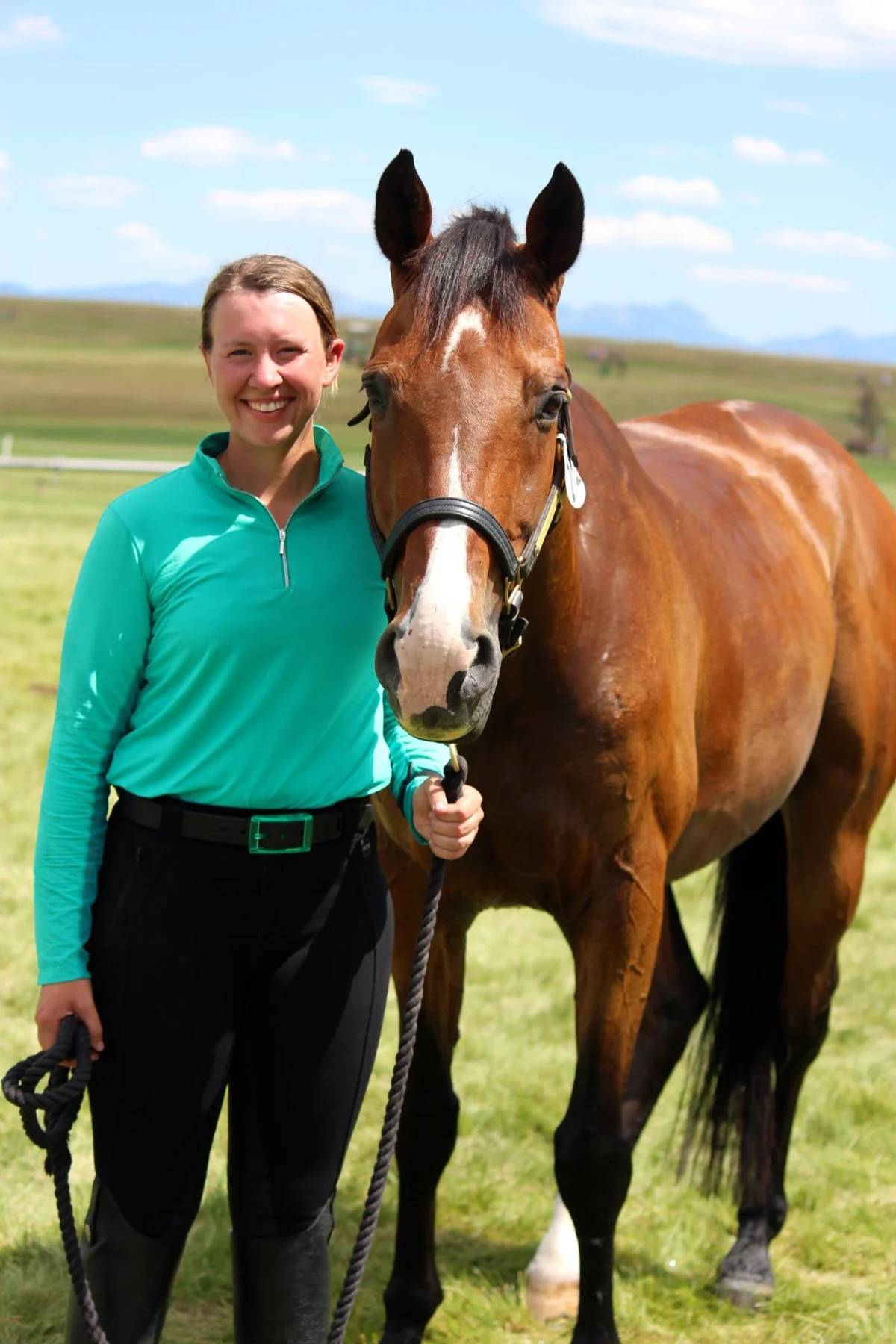
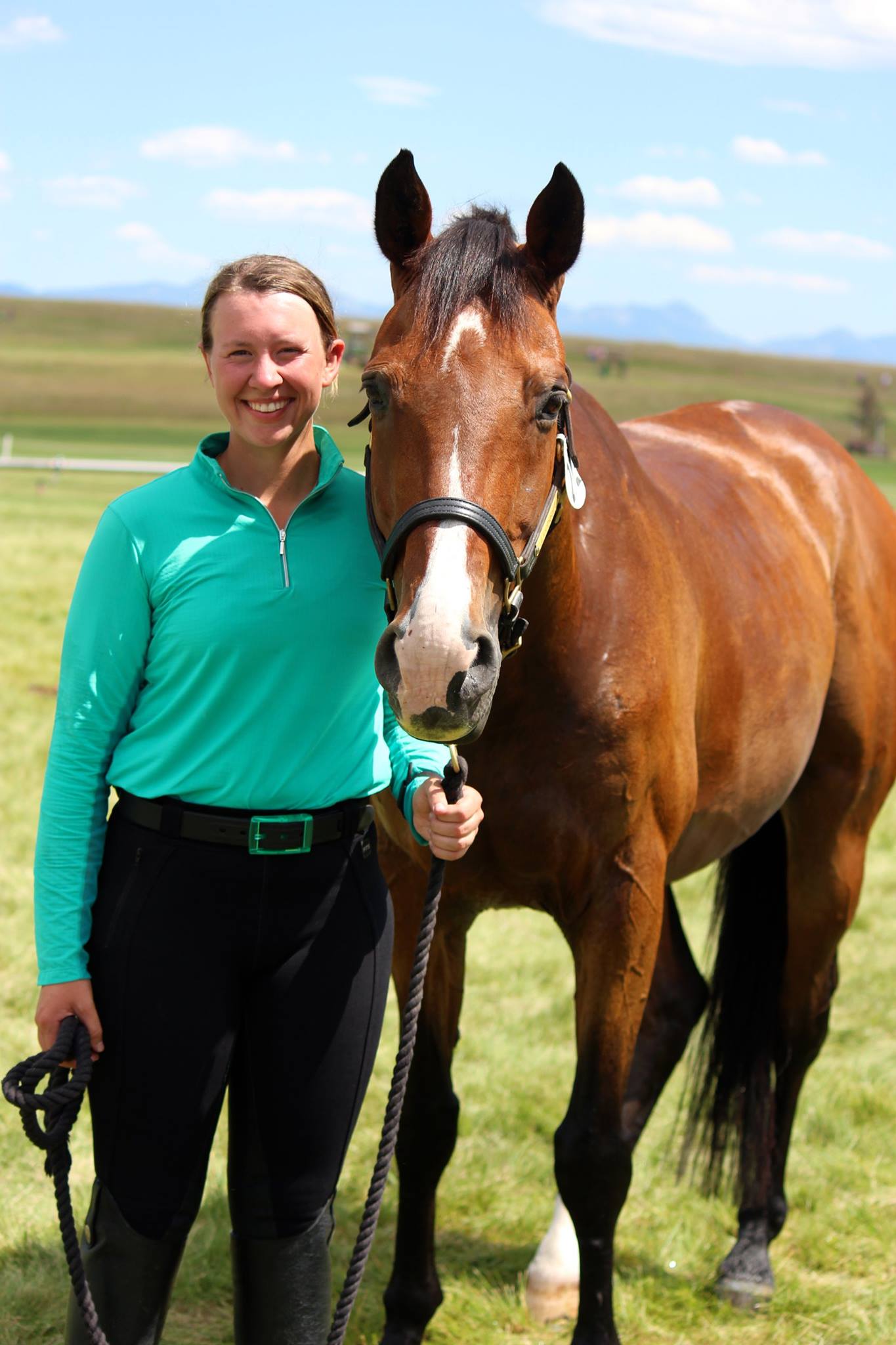
Now 33, Buckingham resides in Middleton, Idaho, where she operates as an assistant horse trainer. Her career choice requires acute communication skills and an ability to interpret environmental cues—a testament to the high level of auditory proficiency she has maintained throughout her adult life. Her work with horses, which involves training and providing riding instruction, demonstrates that hearing loss does not pose a barrier to technical, physically demanding, or high-communication professions when appropriate early support is provided.
Perspectives on Support Systems
Buckingham emphasizes that her success is not the result of individual effort alone, but rather the outcome of a robust, long-term support network. This network included her medical team at the University of Washington Medical Center, the specialized educators at Listen and Talk, and her family, who remained deeply involved in her ongoing auditory training.
"The journey is not about eliminating the challenge, but about building the tools to navigate it effectively," Buckingham noted in reflections on her upbringing. Her guidance to families currently facing similar diagnoses is rooted in the necessity of a multifaceted support structure. She advocates for a proactive approach that combines the consistent use of hearing technology with the active participation of the child in a community that values open communication. This philosophy underscores the mission of organizations like Listen and Talk, which operate on the premise that early intervention is the primary predictor of future independence.
The Broader Implications for Auditory Health
The case of Jordan Buckingham provides a clear illustration of the "success loop" in modern audiology: early diagnosis leads to early intervention, which leads to improved linguistic outcomes, which in turn leads to greater educational and economic opportunity. The implications of this are significant for public health policy and the funding of early intervention programs.
As medical technology continues to advance—with processors becoming smaller, more efficient, and better at filtering background noise—the role of centers like Listen and Talk becomes even more vital. Technology provides the input, but educational programs provide the interpretation. Without the latter, the former often fails to reach its full potential. The fact that Buckingham has successfully transitioned from a surgical patient in 1995 to a professional trainer in 2025 provides longitudinal evidence that the investment in early childhood auditory support yields dividends over the span of a lifetime.
Sustaining the Model: The Alumni Giving Campaign
The sustained success of programs like Listen and Talk depends heavily on the continued involvement of alumni. Recognizing this, the organization has launched its 2025 Alumni Family Giving Campaign. This initiative serves as a bridge between the historical successes of early students and the needs of current families navigating the initial stages of a hearing loss diagnosis.
For alumni, the campaign represents an opportunity to ensure the availability of resources such as audiological testing, speech therapy, and parent-education curricula for new generations. The financial contributions to these programs facilitate the high-touch, personalized care that is often not fully covered by standard medical insurance. By supporting this campaign, former students like Buckingham are essentially "paying forward" the interventions that defined their own developmental years.
Analysis of Future Directions
Looking ahead, the focus for the deaf and hard-of-hearing community is shifting from mere survival to the optimization of quality of life. The success stories of individuals like Buckingham are helping to redefine societal expectations. Where once the focus was on whether a child would learn to speak, the conversation has moved to how they will leverage those skills to enter the workforce, engage in sports, and lead independent lives.
The integration of technology into daily life, such as Bluetooth connectivity between hearing devices and digital interfaces, has further lowered the barrier to entry for many professional fields. However, the foundational skills—perseverance, active listening, and the ability to advocate for one’s own needs—remain unchanged. Buckingham’s life remains a compelling case study in the power of these human qualities when supported by the correct clinical and educational frameworks.
As the 2025 campaign moves forward, the organization aims to continue its vision of a world where hearing loss does not limit a child’s potential. Through the combination of institutional knowledge, the dedication of families, and the ongoing support of alumni, the path paved by the first generation of cochlear implant recipients continues to widen, offering a clearer, more accessible future for those who follow. The legacy of students like Buckingham is not merely in the professional milestones achieved, but in the proof that with the right support, the limitations once associated with hearing loss can be significantly dismantled, allowing for a life defined by personal ambition rather than auditory constraints.