The Imperative for a New Accessibility Standard
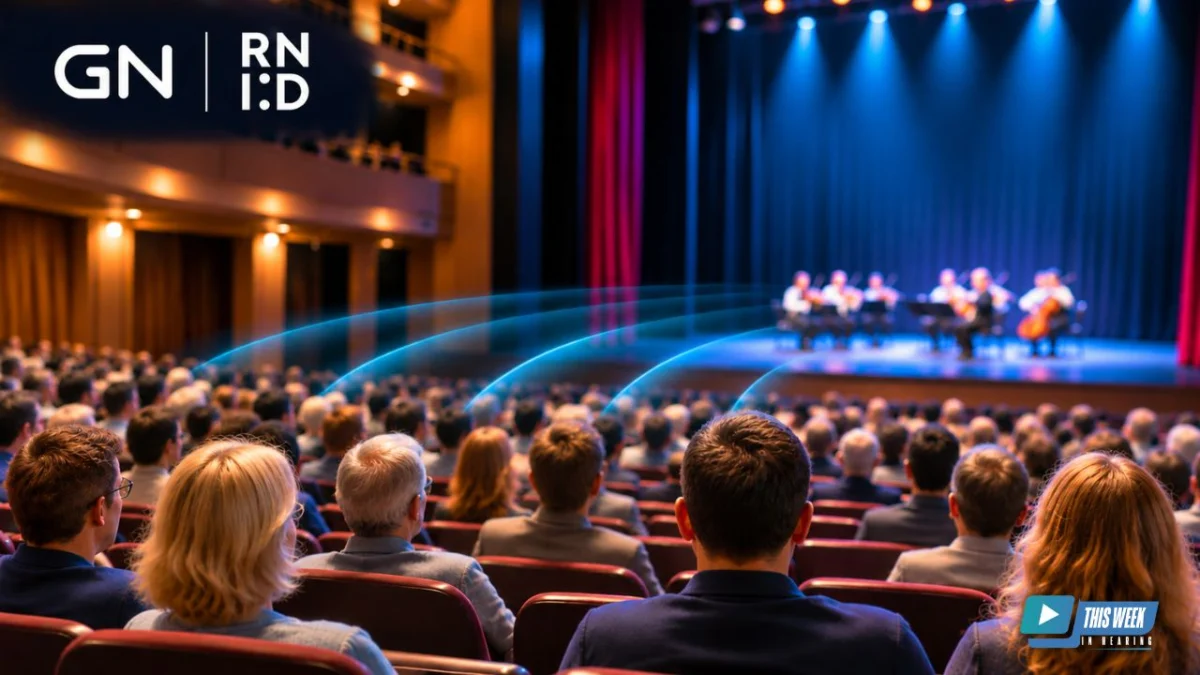
The introduction of Auracast, a groundbreaking feature within Bluetooth LE Audio, promised a new era of assistive listening. Unlike traditional systems such as induction loops or FM transmitters, Auracast allows multiple users to connect directly to a single audio source via their personal hearing aids, cochlear implants, or dedicated receivers, offering superior sound quality and privacy. However, the initial rollout highlighted a crucial challenge: technical installation alone does not guarantee an effective user experience. Public awareness of Auracast remains nascent, and venues have often struggled with optimizing the systems to meet the diverse needs of people with hearing loss. This "chicken and egg" scenario – where venues hesitate to install Auracast due to limited user demand, and users delay adopting Auracast-compatible devices due to scarcity of accessible venues – necessitated a concerted effort to provide clear, actionable guidance.
Alastair Moore, Technology Lead at RNID, emphasized this need, stating, "Auracast has been around for a few years now, but public awareness isn’t as high as it might be. We saw that in the past, assistive listening systems were often installed but not properly maintained, or the user experience was suboptimal. We wanted to not only explain the technology but also explain how to implement it in a way that truly delivers." The Theatre Playbook directly addresses these historical shortcomings, aiming to prevent the recurrence of issues that have plagued older assistive listening technologies. For instance, studies have shown that less than 30% of installed FM systems in public venues in some regions are consistently operational or well-maintained, leading to frustration and disengagement among users.
A Collaborative Vision for Inclusive Audio
The development of the Auracast Theatre Playbook represents a powerful synergy between GN Hearing’s technological leadership and RNID’s deep understanding of user needs and advocacy. GN Hearing has been a vocal proponent of Auracast, actively promoting its adoption in prestigious venues worldwide, including the Sydney Opera House and Lincoln Center. Laurel Christensen, Chief Audiology Officer for GN Hearing, explained the company’s rationale: "GN has been extremely active in promoting Auracast because we believe accessibility should be for all. I personally get asked about Auracast in nearly every talk I give – where to get information, how to advocate in communities, how to approach theaters. The Playbook makes complete sense."
The collaboration ensures that the Playbook goes far beyond mere technical specifications. It integrates the lived experiences of individuals with hearing loss, a critical component that often distinguishes truly effective accessibility solutions from mere compliance. Gideon Hoffman, an experienced hearing technology user who has utilized Auracast for several years, provided invaluable firsthand insights during the Playbook’s development. His experiences highlight the common pitfalls: venues announcing Auracast availability without clear guidance on how to connect, inconsistent signal coverage across seating areas, and audio mixes that omit crucial elements like music in a musical production. "I’ve been to a theater where I deliberately asked for seats that allowed me to see captions, but it turned out those seats did not have a good connection to the Auracast system. It kept chipping in and out," Hoffman recounted, underscoring the necessity of comprehensive testing and consistent coverage.
Addressing the Complete Listening Experience
The Auracast Theatre Playbook systematically tackles the multifaceted challenges of delivering an effective listening experience. Its recommendations are structured to guide various stakeholders within a public venue, from technical teams to front-of-house staff and marketing departments.
-
Reliable Signal Coverage: The Playbook emphasizes the importance of thorough site surveys and testing to ensure uniform Auracast signal strength throughout the entire venue, not just in specific "accessible" zones. Hoffman’s experience with patchy coverage underscores this, noting that "when it works, it’s a nice rich sound. I could hear the actors clearly. But obviously, it’s not good if a venue doesn’t make all the seats include Auracast." This ensures that patrons are not relegated to specific seats to access the system, promoting true inclusion.
-
Appropriate Audio Mixing: One of the most critical aspects addressed is the sound design and mixing for Auracast. As Hoffman vividly described, attending a musical where the Auracast stream omitted most of the music rendered the experience incomplete. The Playbook offers strategies for audio engineers to create mixes that cater to different user needs and show types. For dialogue-heavy plays, a direct front-of-house mix might suffice. However, for musicals or productions with significant sound effects, dedicated Auracast mixes are recommended, allowing for adjustments in levels to prevent overload while ensuring all essential audio elements are present. This nuanced approach recognizes that "individuals have different needs," as Hoffman pointed out, with some preferring a 50/50 blend of live and Auracast audio, while others rely entirely on the streamed sound.
-
Staff Awareness and Training: The Playbook provides guidelines for training venue staff, from box office personnel to ushers, on Auracast functionality, connection procedures, and troubleshooting common issues. This empowers staff to assist patrons effectively, reducing potential frustration and improving the overall visitor experience.
-
Communicating Availability: Effective communication is paramount. The Playbook advises venues on how to prominently advertise Auracast availability through their websites, ticketing platforms, on-site signage, and pre-show announcements. Hoffman’s struggle to find information about Auracast-enabled cinema screens in the UK exemplifies this barrier. Clear communication ensures that individuals with Auracast-compatible devices know where and how they can utilize the service, encouraging adoption and patronage.
-
Involving People with Hearing Loss: Perhaps the most crucial recommendation is the active involvement of individuals with lived experience throughout the planning, testing, and evaluation phases. Alastair Moore stressed this point: "It’s important that venues talk to their local community, people with lived experience who can say not only why it’s important to them that the venue is accessible, but help them to test it and make sure that it actually does work for them." This user-centered design approach helps identify and rectify issues that might be missed by technical teams alone, such as the difference in signal reception between standalone receivers and compact hearing aid aerials.
The Broader Impact: Beyond the Theatre
While titled the "Auracast Theatre Playbook," its principles and recommendations extend far beyond theatrical settings. The core challenges addressed—reliable coverage, appropriate audio mixing, staff awareness, and communication—are universal to any public venue seeking to implement broadcast audio accessibility.
- Conference Centers: Often characterized by poor acoustics, movable walls, and inconsistent assistive listening systems, conference centers are prime candidates for Auracast adoption. Hoffman’s personal practice of carrying his own Auracast system to business-to-business conferences underscores the dire need in these environments. The Playbook offers a framework to professionalize accessibility in these often-neglected spaces.
- Houses of Worship: Many religious institutions, particularly in countries like the US, are exempt from accessibility mandates. Yet, they serve diverse communities where hearing loss is prevalent. The Playbook can empower these organizations to implement inclusive audio solutions. Gideon Hoffman noted his synagogue’s consideration of Auracast, driven by individual members seeking better access.
- Educational Institutions and Public Spaces: School halls, university lecture theaters, museums, and transport hubs can all benefit from the Playbook’s guidance, ensuring clearer audio for lectures, presentations, and announcements.
Laurel Christensen affirmed the Playbook’s broad applicability: "When I read through the Playbook the first time, there isn’t anything in there that isn’t global. Everything can be applied anywhere. It’ll be deployed for us out into all of our subsidiaries… There is nothing like this out there, especially bringing in the theater personnel and actual people with hearing loss."
Empowering Advocacy and Driving Adoption
The Playbook is not merely a technical manual; it is designed as an advocacy tool. Audiologists and hearing healthcare professionals, who are often asked by their patients about local accessibility options, can now leverage this guide to empower their communities. As Andrew Bellavia highlighted, "If I go to a house of worship or I go to a local live theater and I say, ‘Let me explain about this assistive listening system and what it can do for the patrons of your theater,’ and ‘Oh, by the way, here’s a handy guide that will show you how to implement it in an effective way,’ it speeds along the process and makes it easier for them to get to zero to effective."
This grassroots advocacy, combined with top-down promotion by organizations like GN Hearing and RNID, is crucial for accelerating Auracast adoption. RNID has already engaged with access managers across UK venues, conducting sessions to introduce the Playbook and gather feedback. The organization also publishes blogs and resources for end-users, guiding them on how to use the Playbook as a tool to request Auracast in their preferred venues. This dual approach aims to create a virtuous cycle where increased demand from patrons motivates venues, and effective implementation by venues encourages greater adoption of Auracast-compatible devices.
Global Deployment and Future Refinement
While the initial development involved UK-centric research, the Playbook’s core principles of best practice are inherently global. GN Hearing, as a multinational entity, is committed to deploying the Playbook through its global subsidiaries, ensuring its availability to professionals and advocates worldwide. The focus remains on "giving people a great experience, making people included, welcome, and able to enjoy themselves with their friends and family," a goal that transcends national boundaries and local legislation.
The developers anticipate that as more venues implement Auracast using the Playbook, further experiences and insights will emerge. This will undoubtedly lead to future refinements and updates, ensuring the guide remains a living document that adapts to evolving technologies and user needs. The collaborative spirit, centered on end-user involvement, is expected to drive continuous improvement, solidifying Auracast’s position as a truly inclusive and transformative accessibility solution. The launch of the Auracast Theatre Playbook at EUHA 2026 marks a pivotal moment, shifting the conversation from mere technological capability to the paramount importance of a holistic, user-centered approach to hearing accessibility in public spaces.