Historical Context and Policy Origins
The Zero Tolerance Policy was not a recent development but rather a framework implemented during several preceding biennial national conferences. Its foundational purpose was to establish a clear code of conduct for NAD-sponsored events, programs, and professional meetings. By design, the policy was intended to provide a safeguard against discrimination, bullying, physical or verbal abuse, and retaliatory actions. In the context of the deaf and hard-of-hearing community, where advocacy for accessibility and civil rights remains the primary mission, such a policy served as a vital mechanism for maintaining the integrity of professional spaces.
However, the phrase "zero tolerance" has increasingly faced criticism within the broader landscape of social justice and organizational governance. Originating in 1980s and 1990s United States public policy—most notably in school disciplinary frameworks and criminal justice—"zero tolerance" has been widely critiqued by sociologists and civil rights advocates. Critics argue that such policies often bypass the nuances of restorative justice, leading to disproportionate outcomes for marginalized individuals. For the NAD, which serves a diverse constituency of deaf and hard-of-hearing individuals, the alignment of its internal rules with language that has historically marginalized minority groups has become a focal point for internal debate.
Chronology of the Current Discourse
The recent friction surrounding the policy reached a tipping point as members began to voice concerns about how the rigidity of the language might inadvertently undermine the principles of inclusion and restorative practice. While specific dates of initial grassroots complaints are not publicly logged, the cumulative weight of feedback throughout the early months of 2026 necessitated a formal response from the Board of Directors.
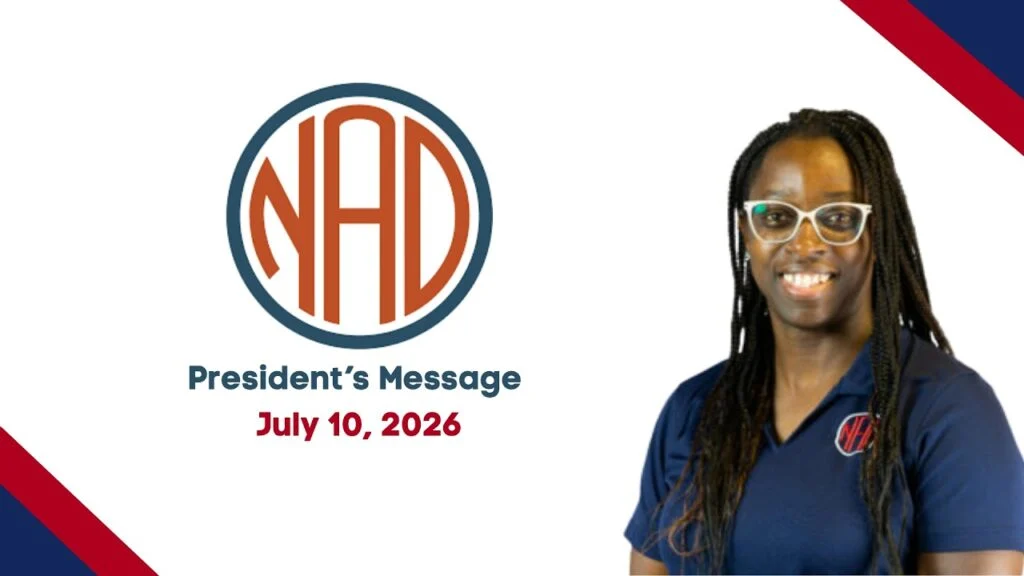
By early July 2026, the NAD leadership recognized that the policy’s language was creating a disconnect between the organization’s stated values of equity and the actual mechanics of its enforcement. The July 10 announcement marked the transition from informal community discussion to a structured, board-led internal audit. This process is expected to span several months, during which the current policy will remain in effect to ensure that existing protections for participants are not compromised during the transition.
Analysis of Organizational Policy Trends
The NAD’s move reflects a broader trend among major non-profit organizations and professional associations that are currently auditing their governing documents for inclusive language. Data from the non-profit sector suggests that language-focused reviews often precede substantive shifts in organizational culture.
According to organizational development experts, "Zero Tolerance" models are increasingly being replaced by "Restorative Justice" or "Accountability-Based" frameworks. These newer models prioritize identifying the root cause of harmful behaviors and facilitating mediation, rather than relying solely on punitive measures that can sometimes be applied inequitably. The NAD’s decision to evaluate whether its policy should be retitled to emphasize "accountability, safety, respect, and inclusion" aligns with this industry-wide shift toward policies that emphasize educational outcomes alongside disciplinary safety.
The Operational Reality: Enforcement and Continuity
A critical component of the NAD’s announcement is the affirmation that the policy will remain active throughout the review period. This is an essential administrative safeguard. Should the policy be suspended, the organization would lack a clear legal and regulatory framework to address potential incidents of harassment at upcoming events. By maintaining the status quo while the review is underway, the NAD ensures that its current protections remain legally defensible and operationally intact.
The established procedures for reporting incidents—which include protections for confidentiality and adherence to applicable law—will continue to govern how the organization handles grievances. The board has indicated that this process will remain transparent and fair, adhering to the standard of "due process" that is central to the association’s credibility.
Broader Implications for the NAD
The implications of this review extend beyond mere semantics. If the NAD moves to change the policy, it will signal a major shift in how the organization perceives its role as a steward of justice within the deaf community. There is a significant difference between a policy that "polices" its members and one that "fosters" a culture of accountability.
Internal stakeholders suggest that the review process will involve:
- Linguistic Audit: Assessing whether the current language promotes a "carceral" mindset.
- Procedural Review: Analyzing how the policy has been applied in previous instances to determine if it has been used equitably.
- Community Consultation: Engaging with members to gather data on how the policy has been experienced at past biennial conferences.
This approach is likely to yield a more nuanced policy that addresses the power imbalances that can sometimes occur in advocacy spaces. By moving toward a restorative framework, the NAD may also increase its capacity to resolve interpersonal conflicts before they escalate into formal, high-stakes disciplinary cases.
Stakeholder Reactions and Expectations
While the official statement from President Stephanie Hakulin emphasizes a commitment to "thoughtful reflection," the reaction from the community has been largely anticipatory. Supporters of the review process argue that the NAD must demonstrate that it is capable of evolving alongside modern social standards. Conversely, some traditionalists within the organization have expressed concern that weakening the "Zero Tolerance" branding could signal a lack of resolve against harassment or misconduct.
The Board of Directors is tasked with balancing these two perspectives. The challenge lies in creating a policy that is stringent enough to act as a credible deterrent against abuse, while being inclusive enough to reflect the organization’s commitment to restorative justice and psychological safety.
Future Outlook: Transparency and Governance
The NAD has pledged to keep the community informed as the review progresses. This commitment to communication is likely intended to dampen speculation and maintain trust between the leadership and the membership. Future updates are expected to include summaries of the feedback received, the rationale for any proposed changes, and a roadmap for the implementation of a revised policy.
As the organization prepares for future biennial conferences, the success of this review will be measured by its ability to synthesize diverse perspectives into a cohesive, widely accepted code of conduct. The process underscores a vital lesson in organizational management: even well-intentioned policies require periodic assessment to ensure they remain consistent with the evolving ethical standards of the community they serve.
Ultimately, the NAD’s willingness to re-examine a cornerstone of its governance demonstrates a commitment to self-reflection that is rare in many large-scale national organizations. By inviting community feedback into the policy-making process, the board is not only addressing a specific linguistic concern but is also reinforcing the democratic foundations of the association. As the review proceeds, the focus remains on ensuring that every member of the deaf community feels protected, respected, and empowered to contribute to the collective mission of the NAD.
The organization’s concluding sentiment, "Together, we NAD rise," serves as both a mantra and a reminder that the health of the association is inextricably linked to the well-being of its members. As the board moves forward, the outcome of this review will likely serve as a blueprint for how national organizations can reconcile their historical frameworks with contemporary calls for equity, transparency, and restorative justice.