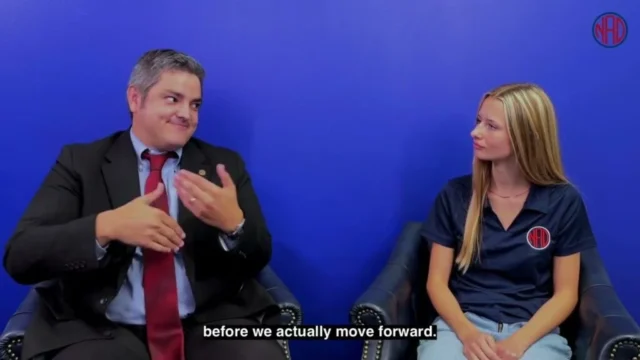
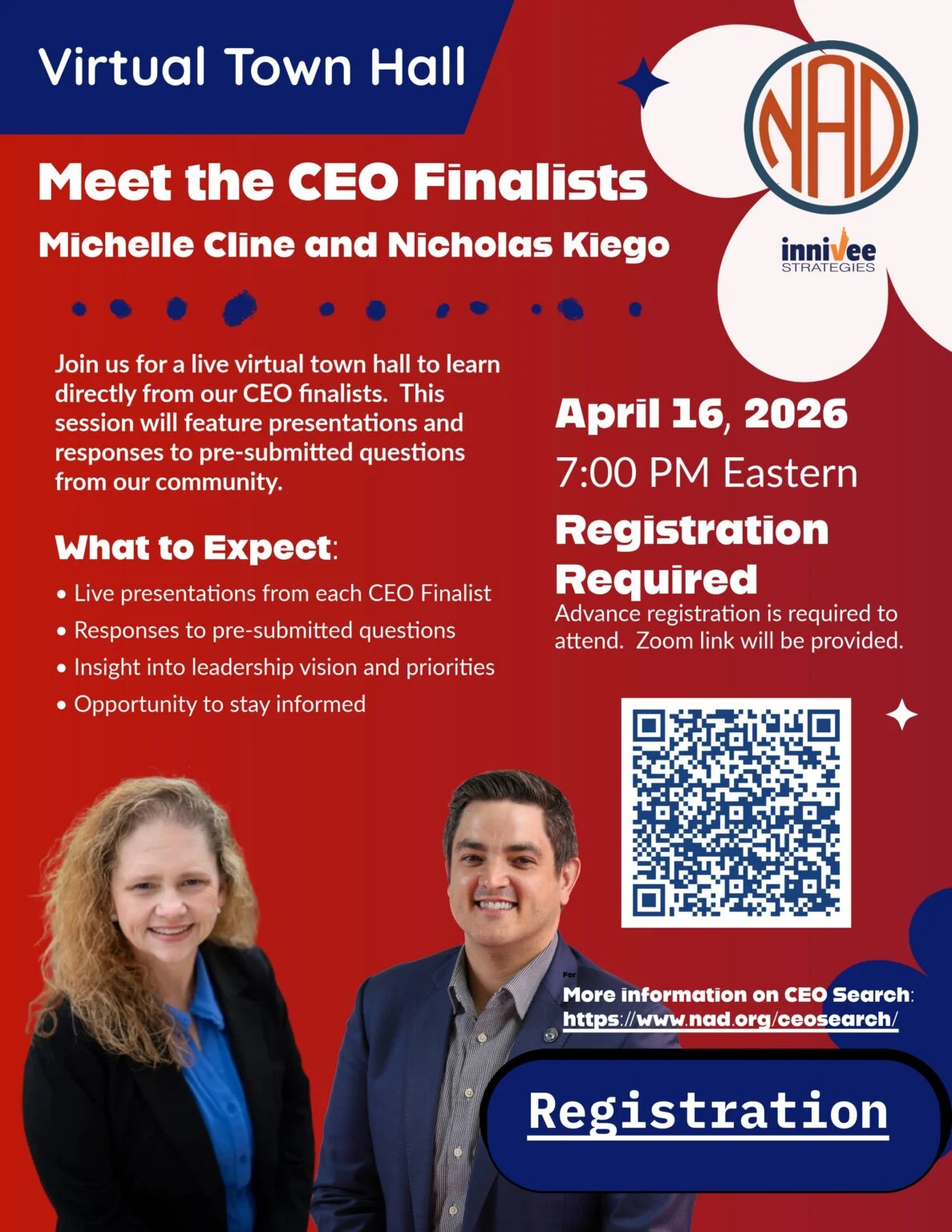
To ensure transparency and foster engagement within the community, the NAD Board of Directors organized a virtual town hall meeting, scheduled for April 16, 2026. This platform serves as a critical bridge between the governance body and the constituents it represents, allowing for a public assessment of the candidates’ qualifications, leadership philosophies, and visions for the future of the organization.
Chronology of the Leadership Transition
The search for a new CEO began in earnest following the previous leadership’s decision to move on, triggering a comprehensive executive search process. Recognizing the gravity of the vacancy, the NAD Board of Directors established a dedicated Search Committee tasked with identifying a leader capable of managing the organization’s multifaceted operations, which include federal advocacy, policy lobbying, and community outreach.
Throughout late 2025 and early 2026, the committee conducted an extensive outreach campaign, soliciting applications from across the country. The criteria for selection were rigorous, focusing on demonstrated experience in non-profit management, a deep understanding of the Americans with Disabilities Act (ADA), proficiency in American Sign Language (ASL), and a proven track record in organizational development.
By mid-March 2026, the field was winnowed down through multiple rounds of interviews. Candidates were evaluated not only on their technical expertise but also on their ability to represent the diverse needs of the deaf and hard of hearing community. The announcement of Michelle Cline and Nicholas Kegio as the final two contenders reflects the board’s emphasis on candidates who possess both the professional gravitas to engage with federal lawmakers and the grassroots credibility to maintain the trust of the NAD’s membership base.
Understanding the Role of the NAD CEO
The Chief Executive Officer of the NAD functions as the primary spokesperson and chief strategist for the organization. Given that the NAD is the leading voice for millions of Americans, the role requires a unique blend of skills. The CEO is responsible for overseeing the association’s national headquarters, managing a diverse staff, and steering the organization’s political and legal initiatives.
Historically, the NAD has been instrumental in landmark legislation, including the Telecommunications Act of 1996 and ongoing efforts to secure equal access to education, healthcare, and employment. The incoming CEO will be tasked with building upon this legacy. Key challenges on the horizon include the integration of artificial intelligence in communication technologies, the persistence of systemic barriers in education, and the ongoing need for increased funding for vocational rehabilitation services.
Candidate Profiles and Leadership Visions
While the specific professional histories of Michelle Cline and Nicholas Kegio are detailed in the official materials provided by the NAD, the town hall was designed to move beyond resumes. The event allowed both candidates to articulate their priorities.
Michelle Cline brings a background characterized by high-level administrative oversight and a focus on long-term sustainability. Supporters of candidates with similar profiles often point to the need for organizational stability and robust financial management, particularly as non-profit organizations face increasing competition for grant funding and private donations.
Nicholas Kegio, conversely, has built a reputation centered on community-driven advocacy and stakeholder engagement. His approach emphasizes the importance of grassroots mobilization and the necessity of ensuring that the NAD remains responsive to the immediate needs of its local chapters and individual members.
The town hall format required both candidates to address a series of pre-submitted questions. These questions, gathered from the membership in the weeks leading up to the event, covered topics such as:
- Financial Stewardship: How the CEO will manage the organization’s budget to maximize impact while maintaining a healthy reserve.
- Legislative Advocacy: Strategies for maintaining influence in an increasingly polarized political climate in Washington, D.C.
- Inclusivity: Ensuring the NAD remains representative of the diverse experiences within the deaf community, including those from various socioeconomic, racial, and linguistic backgrounds.
- Technological Advancement: How the organization will leverage new digital tools to enhance communication access for all.
Analysis of the Selection Process and Community Engagement
The move to host a public town hall is a significant indicator of the NAD’s commitment to democratic principles. In many large national non-profits, executive searches are conducted entirely behind closed doors, with the final decision revealed only after a contract is signed. By contrast, the NAD’s decision to allow the community to hear directly from the finalists serves two purposes: it provides a form of public vetting and, perhaps more importantly, it helps build organizational buy-in.
The involvement of the community is not merely symbolic. Leadership experts often emphasize that for a non-profit to be effective, its members must feel a sense of ownership over its direction. By providing a platform for the finalists to answer questions, the NAD board is allowing the community to gauge how each candidate would handle public scrutiny and complex policy debates.
However, the selection process is also fraught with pressure. The deaf and hard of hearing community is not a monolith, and there are often differing opinions on the priorities the organization should pursue. Some members prioritize legal challenges, while others advocate for educational reform or the protection of the linguistic rights of ASL users. The finalists must demonstrate that they can balance these competing interests without alienating key segments of the constituency.
Broader Implications for the Disability Rights Movement
The appointment of the next CEO will have ripple effects throughout the broader disability rights movement. The NAD is frequently viewed as a bellwether for other organizations representing individuals with disabilities. Its success in lobbying, its legal strategies, and its public relations efforts often serve as models for similar advocacy groups.
Data from the Bureau of Labor Statistics and various educational research institutions consistently highlight the gaps in employment and educational attainment for the deaf and hard of hearing population. The NAD’s ability to influence policy directly affects these statistics. For example, advocacy for better captioning standards in media or increased accessibility in public spaces is directly tied to the organization’s leadership effectiveness.
Furthermore, as the organization transitions into this new era of leadership, it will likely face the necessity of addressing the "digital divide." As communication shifts further into virtual spaces, the demand for high-quality, real-time access services—such as Video Remote Interpreting (VRI) and AI-driven captioning—will continue to grow. The incoming CEO will need to be well-versed in these technologies to ensure the NAD remains at the forefront of the technological advocacy space.
Next Steps and Final Decision
Following the virtual town hall, the NAD Board of Directors is expected to enter the final stage of deliberations. While the town hall provided the public with an opportunity to evaluate the candidates, the ultimate decision remains with the board, based on their private interviews, reference checks, and the feedback gathered from the community forum.
The board’s decision is expected to be announced in the coming weeks. For the membership, this marks the conclusion of a rigorous period of transition and the beginning of a new chapter. The urgency of the issues facing the deaf community—ranging from civil rights protections to the promotion of cultural identity—ensures that the new CEO will hit the ground running upon taking office.
As the NAD moves forward, the transparency shown during this search process sets a precedent for future leadership transitions. By prioritizing the inclusion of its stakeholders, the organization has reinforced its commitment to being a member-driven institution. Whether the board selects Michelle Cline or Nicholas Kegio, the incoming leader will step into a role that carries the weight of history and the responsibility of shaping a more accessible future for all deaf and hard of hearing individuals. The details regarding the final transition and the official start date for the new CEO will be disseminated through the NAD’s official communication channels, including their website at nad.org/ceosearch.