Understanding the Clinical Landscape of Microtia Atresia
Microtia is classified into four grades, ranging from minor structural abnormalities to complete anotia, where the external ear structure is entirely absent. Atresia typically accompanies these structural variations, creating a barrier to sound conduction. In many cases, the inner ear remains intact, meaning the sensory mechanism for hearing is functional, but the pathway for sound transmission is blocked.
Historically, the medical consensus often downplayed the impact of unilateral hearing loss. Because children with UHL possess one ear with typical hearing, the assumption was that they would compensate naturally for the deficit in their other ear. However, modern audiological research has shifted this perspective. Studies now demonstrate that even a single functional ear creates significant barriers in complex acoustic environments. For instance, the ability to localize sound—determining exactly where a noise is coming from—is severely diminished in children with UHL. Furthermore, the "head shadow effect" means that sounds originating from the side of the affected ear are significantly dampened before reaching the healthy ear, making it difficult for children to distinguish speech from background noise in settings such as busy classrooms, playgrounds, or social gatherings.
The Developmental Trajectory of Unilateral Hearing Loss
The implications of UHL extend far beyond simple volume issues. The human brain relies on binaural input to filter out irrelevant noise and focus on speech. Without this, children with UHL experience "listening fatigue," a condition where the brain must expend excessive cognitive energy simply to process and decode speech. This persistent effort can lead to frustration, social withdrawal, and, in some cases, delayed academic performance.
The timeline for intervention is critical. Longitudinal data suggests that children who receive support in the birth-to-three window experience significantly better outcomes in language acquisition and social-emotional development than those identified later. By providing specialized intervention early, families can navigate the complexities of hearing technology—such as bone-anchored hearing aids or specialized headband devices—while simultaneously building the child’s auditory processing skills through LSL-based strategies.
The LSL Approach: A Framework for Communication
Listening and Spoken Language (LSL) education represents a specialized pedagogical and therapeutic approach designed to maximize the use of a child’s residual hearing. Unlike approaches that may rely heavily on visual cues or sign language, LSL focuses on the neuroplasticity of the brain, encouraging children to develop spoken language by leveraging auditory input.
For families navigating a diagnosis of MA, LSL specialists provide a roadmap. This involves coaching parents to create an "auditory-rich" home environment, utilizing assistive technology to ensure the child’s brain receives consistent, clear signals. The primary goal is not merely to provide a device, but to ensure the child develops the cognitive ability to interpret the sounds they receive. As the child grows, the LSL framework shifts to support self-advocacy, teaching the student how to explain their hearing needs to peers and educators, a skill that is essential for long-term success in public school systems.
A Case Study in Early Advocacy: The Story of Adeline
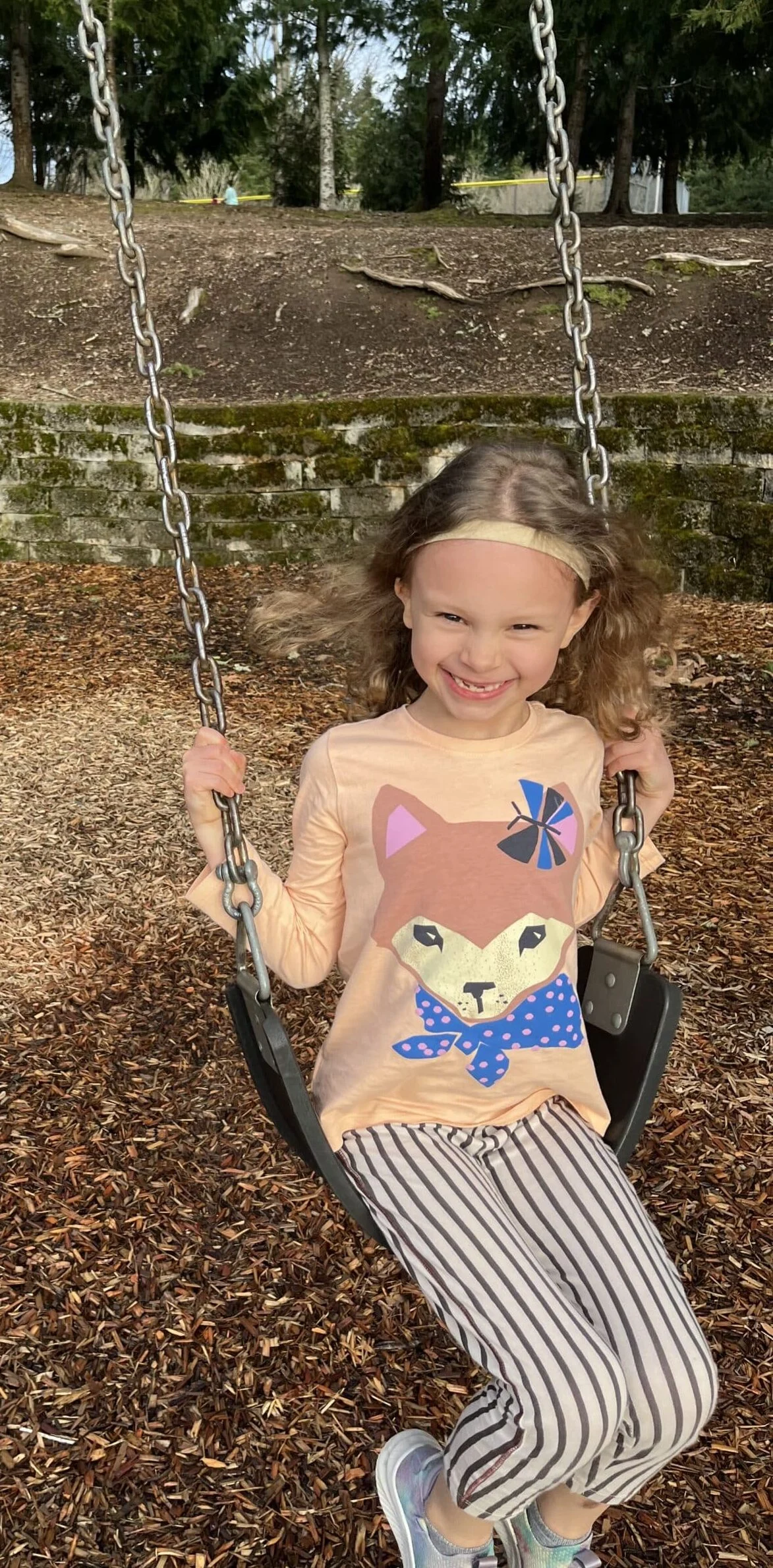
The experience of the Adeline family offers a practical look at the impact of early intervention. Diagnosed with unilateral moderate to severe conductive hearing loss at five weeks of age, Adeline’s journey highlighted the necessity of proactive support. By age four, medical imaging confirmed that her condition was further complicated by the fusion of middle-ear bones to her skull, a condition that rendered traditional surgical correction challenging.
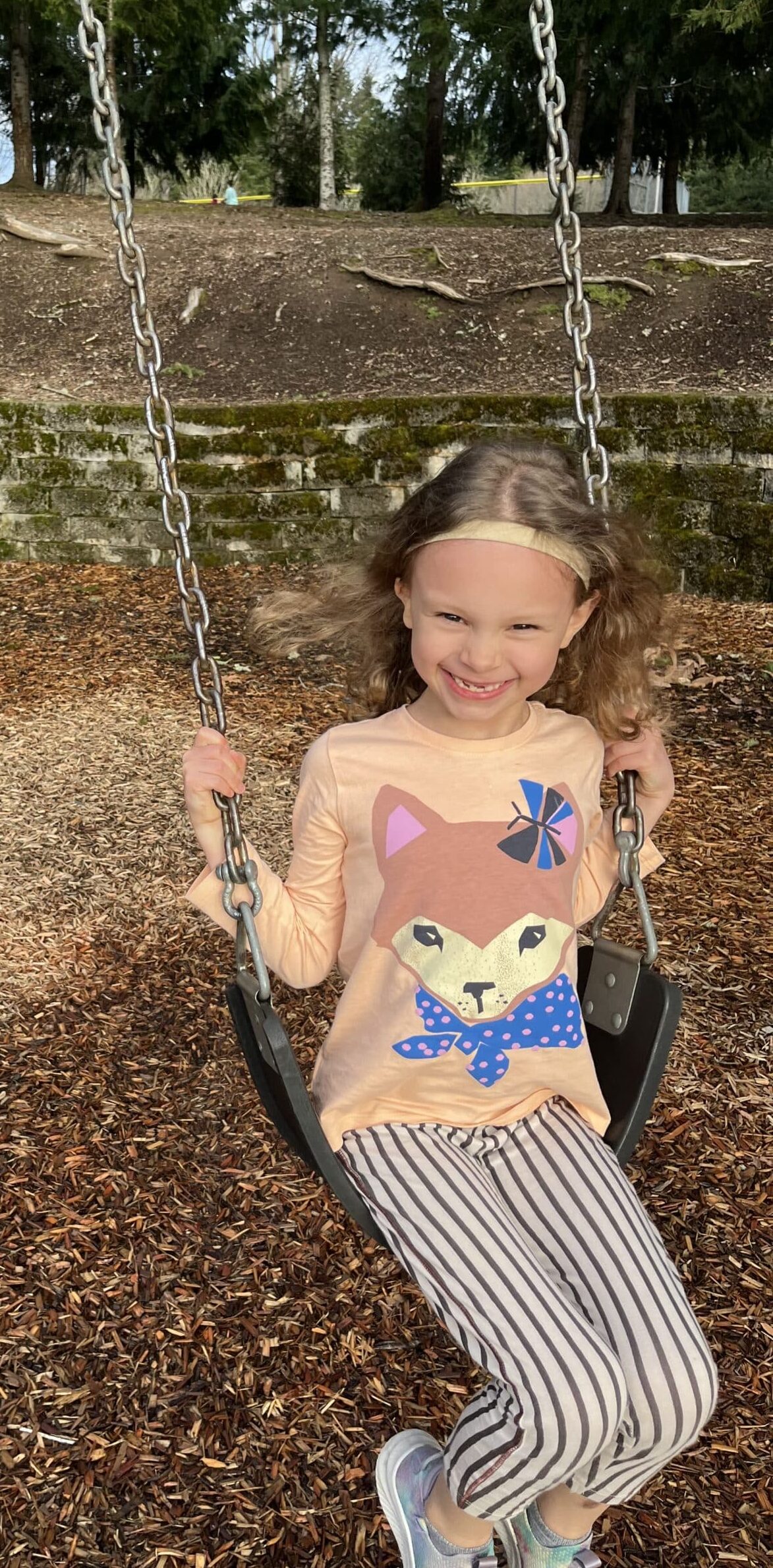
Adeline’s mother, Jessie, recalls the initial period following the diagnosis as overwhelming. The family was confronted with complex medical terminology and a lack of clear guidance on how to support a child who appeared to hear well in many situations but struggled significantly in others. "Adeline had to work much harder to communicate and learn," Jessie noted. "She struggled to localize sound and would avoid communicating outside of her safe spaces. She often faced frustration when her efforts to listen were met with the exhaustion of listening fatigue."
The intervention provided by organizations like Listen and Talk proved transformative. The program provided more than just clinical therapy; it acted as a bridge between the family and the medical establishment. By teaching the parents how to advocate for appropriate classroom accommodations and helping Adeline develop the self-confidence to explain her own needs, the program successfully transitioned her into a thriving first-grade student. Today, Adeline is not only reading and making friends but has also found a passion for music, participating in her school choir—a feat that requires the very auditory processing skills she spent years developing through LSL therapy.
Addressing the Broader Implications for Education and Policy
The success of students like Adeline highlights a gap in current public policy regarding educational support for UHL. Because many children with UHL do not qualify for the same intensity of services as those with bilateral hearing loss, they often "fall through the cracks" of standard school screening protocols. This is a policy challenge that advocates are working to address.
Experts argue that screening processes must become more nuanced, moving beyond simple volume thresholds to include tests of speech perception in noise. Furthermore, the role of parent education cannot be overstated. When parents are empowered with information, they become the primary architects of their child’s success. Organizations that offer parent training, audiology testing, and speech therapy in an integrated, holistic manner are increasingly viewed as the gold standard for long-term development.
Resources and the Path Forward
For families receiving a new diagnosis of microtia atresia, the initial feeling of uncertainty is a common experience. However, the medical and educational landscape is better equipped than ever to support these children. Key steps for families include:
- Comprehensive Auditory Evaluation: Engaging with an audiologist who specializes in pediatric care and is familiar with the specific challenges of atresia.
- Early Intervention Consultation: Connecting with LSL specialists as soon as a diagnosis is confirmed. Organizations such as Listen and Talk, as well as state-level chapters of Hands and Voices, offer invaluable peer-to-peer support and clinical resources.
- Information Gathering: Utilizing peer-reviewed resources and informational guides that explain the nuances of UHL, ensuring that educational teams are fully informed about the specific listening requirements of the child.
As public awareness grows, so too does the opportunity to improve the quality of life for those born with microtia atresia. The goal of "no child is limited by hearing loss" is ambitious, but it is achievable through a combination of early medical intervention, specialized educational support, and a societal shift toward greater inclusivity.
Sustaining the Mission
The ongoing work of organizations supporting these children depends largely on public and private contributions. These funds are not merely administrative; they directly subsidize the costs of speech therapy, audiology equipment, and the extensive training required for LSL specialists. By investing in the developmental foundations of children with hearing loss, society secures a future where these individuals can participate fully in the workforce, arts, and community life.
As National Microtia Atresia Awareness Day concludes for another year, the focus remains on the long-term potential of every child. The narrative of resilience demonstrated by children like Adeline serves as a reminder that with the right support, the structural differences in a child’s anatomy do not define their future. The progress made in the fields of audiology and LSL education provides a clear path forward: identify early, support consistently, and empower the child to become their own most effective advocate. By prioritizing these values, the community ensures that the next generation of children with microtia atresia will not just navigate their challenges, but thrive in spite of them.