
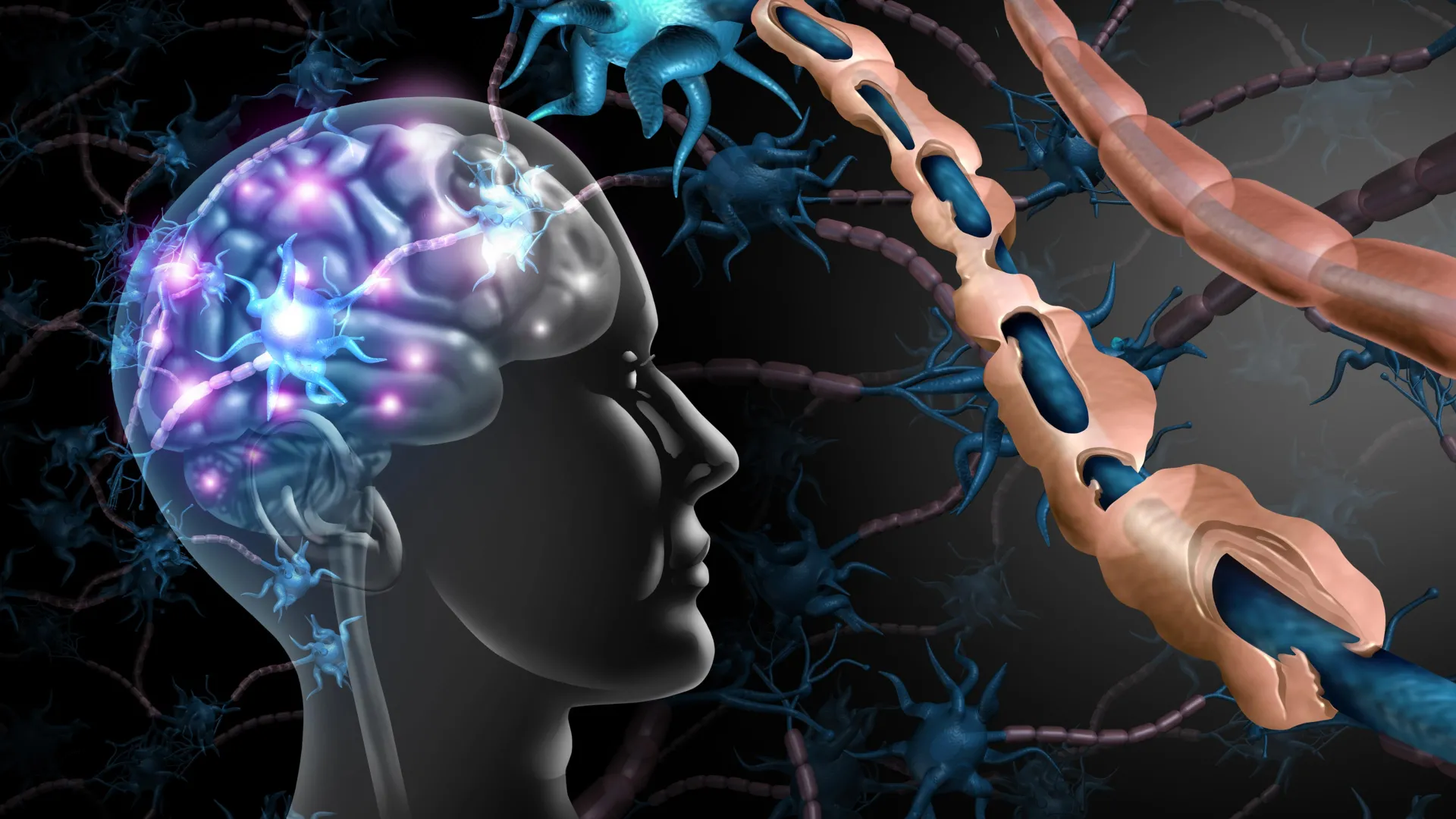
The research, led by a collaborative team from the University of Edinburgh and the UK Dementia Research Institute, suggests that cognitive decline is not merely a byproduct of neuronal death, but is actively driven by changes in the brain’s white matter. By investigating the biological pathways that cause these cells to fail, the study has opened a new frontier in geriatric medicine, identifying potential therapeutic targets that could be addressed with existing pharmaceutical treatments.
Longitudinal Insights from the Lothian Birth Cohort 1936
The strength of this study lies in its unique data source: the Lothian Birth Cohort 1936. This group consists of individuals born in 1936 who participated in the Scottish Mental Survey of 1947. Because these individuals had their cognitive abilities measured at age 11, researchers possessed a rare baseline of intelligence and mental function from childhood, allowing them to track changes over a span of more than seven decades.
Between the ages of 70 and 82, the participants underwent a series of rigorous cognitive assessments. These tests measured several key domains of mental function, including processing speed, memory retention, and visuospatial awareness. Of the 1,091 original members of the cohort, 866 completed the follow-up testing after the age of 70. This extensive longitudinal record provided the University of Edinburgh team with a granular view of how cognitive decline manifests differently across a population.
The researchers observed that while almost all participants experienced some level of cognitive slowing, the rate of decline varied significantly. Some individuals maintained high levels of cognitive performance well into their 80s, while others experienced a rapid loss of processing speed and memory. By comparing the biological markers of these two groups, the scientists were able to isolate the cellular changes specifically associated with accelerated cognitive aging.
The Role of Myelin and the Discovery of Cellular Dysfunction
The focus of the investigation was the brain’s white matter, which consists of bundles of nerve fibers (axons) that connect different regions of the brain. These fibers are coated in myelin, a fatty substance that acts as insulation, ensuring that electrical signals travel quickly and efficiently. Myelin is produced and maintained by oligodendrocytes.
When the researchers examined post-mortem brain tissue from a subset of the Lothian Birth Cohort, they found a striking correlation between cognitive decline and the state of the brain’s insulation. Individuals who had shown the fastest rates of mental deterioration possessed fewer large-diameter nerve fibers. More importantly, the myelin surrounding the remaining fibers was often "unhealthy"—characterized by abnormal thickening and structural irregularities.
Historically, myelin loss (demyelination) has been the primary focus in conditions like multiple sclerosis. However, this study highlights that in the context of normal aging, the problem may not be the absence of myelin, but the presence of dysfunctional, poorly maintained myelin. The research demonstrated that these abnormalities were not just a side effect of aging but were directly linked to the speed at which a person’s cognitive abilities had declined over the preceding decade.
Identifying the NRF2 Protein Pathway
To determine why oligodendrocytes begin to fail, the research team utilized mouse models to replicate the conditions observed in the human tissue samples. They discovered that the key to this cellular breakdown lies in a protein called NRF2 (Nuclear Factor Erythroid 2-Related Factor 2).
NRF2 is often referred to as a "master regulator" of the body’s antioxidant response. It controls the expression of hundreds of genes that protect cells from oxidative stress and inflammation. In the healthy brain, NRF2 ensures that oligodendrocytes can repair themselves and maintain the myelin sheath effectively. However, the study found that in aging brains experiencing significant cognitive decline, levels of NRF2 within the oligodendrocytes were markedly reduced.
When the scientists experimentally reduced NRF2 activity in the oligodendrocytes of mice, the results were definitive. The animals began to develop the same "unhealthy" myelin patterns seen in the human subjects. Furthermore, these mice lost large nerve fibers and showed a measurable decrease in cognitive performance. This established a direct causal link: when NRF2 levels drop, oligodendrocytes lose their ability to support nerve fibers, leading to a breakdown in the brain’s communication network and a subsequent loss of mental acuity.
Chronology of the Research and Methodology
The progression of the study followed a rigorous multi-stage methodology:
- Historical Baseline (1947): Initial cognitive data was collected from the participants at age 11.
- Late-Life Assessment (2006–2018): Participants underwent cognitive testing at ages 70, 73, 76, 79, and 82 to map the trajectory of their mental decline.
- Pathological Analysis (Post-2018): Researchers analyzed brain tissue donated by deceased members of the cohort, using high-resolution imaging to examine myelin and nerve fiber density.
- Mechanistic Validation (Mouse Studies): The team used genetic engineering in mice to silence the NRF2 pathway specifically in oligodendrocytes, confirming that this deficiency reproduces the human pathology.
- Comparative Analysis: The data from the human tissue and animal models were synthesized to identify the NRF2 pathway as a viable target for intervention.
Therapeutic Implications and Drug Repurposing
The discovery that the NRF2 pathway is central to age-related cognitive decline has immediate implications for the development of new treatments. Because NRF2 is already a known target in the pharmaceutical world, the path to a clinical application may be shorter than for entirely new drug classes.
Currently, drugs that activate the NRF2 pathway are used to treat multiple sclerosis (MS). One such medication, dimethyl fumarate, has been shown to protect the central nervous system by reducing oxidative stress. Previous clinical data indicated that patients with MS who were treated with NRF2-activating drugs showed improvements in cognitive function.
The University of Edinburgh researchers suggest that these existing medications could potentially be repurposed to treat or prevent cognitive decline in the elderly population. By boosting NRF2 activity, it may be possible to restore the health of oligodendrocytes, stabilize the myelin sheath, and protect the large nerve fibers that are essential for rapid information processing.
Expert Reactions and the Shift in Neurological Theory
The scientific community has reacted to the findings with significant interest, as the study challenges the "neuron-centric" view of brain aging.
Veronique Miron, a MRC Senior Non-Clinical Fellow and UK Dementia Research Institute Group Leader, emphasized the urgency of the work. "As the prevalence of cognitive decline is rising with an aging population and no current treatments exist, we are excited about this work as it points to a potential strategy for new therapeutic strategies to preserve cognitive ability in aging," Miron stated. Her dual role at the University of Edinburgh and St. Michael’s Hospital in Toronto underscores the international collaboration required to tackle complex neurological questions.
Georgina Craig, the study’s first author, noted the paradigm shift the research represents. "This study has fundamentally shifted how we think about these brain cells in aging," Craig said. "We have always considered oligodendrocytes as purely beneficial, yet here we surprisingly find that they can become dysfunctional and contribute to cognitive impairment in aging."
Outside experts have noted that the study provides a biological explanation for why "white matter hyperintensities"—bright spots often seen on MRI scans of elderly patients—are so closely linked to dementia risk. By identifying the specific cellular failure (low NRF2 in oligodendrocytes) that leads to these changes, the research moves the field from observation to potential intervention.
Broader Impact on Global Health and Future Research
The implications of this discovery extend beyond the laboratory. With global life expectancy increasing, the economic and social burden of age-related cognitive decline is projected to reach unprecedented levels. In the United Kingdom alone, the cost of dementia is estimated to rise to over £47 billion by 2030. Finding a way to preserve cognitive function even by a few years could significantly improve the quality of life for millions and reduce the strain on healthcare systems.
The study also highlights the critical importance of longitudinal cohorts and tissue donation. Without the 70-year record provided by the Lothian Birth Cohort and the generosity of the participants who donated their brains to science, this link between NRF2 and cognitive speed might have remained hidden.
Future research will likely focus on clinical trials to determine whether NRF2-targeting drugs can safely be used in non-MS populations. Scientists will also need to investigate why NRF2 levels drop in the first place—whether it is a result of genetic predisposition, lifestyle factors, or environmental stressors.
By reclassifying oligodendrocytes from passive supporters to active participants in the aging process, this research provides a new roadmap for understanding the brain. It suggests that the "insulation" of our minds is not just a static structure, but a dynamic system that requires constant maintenance—and that by supporting this maintenance, we may be able to keep our thinking and memory sharp well into old age.